

In a strategic effort to advance the growth and transformation of Nigeria’s automotive industry, the Director-General of the National Automotive Design and Development Council (NADDC), Otunba Oluwemimo Joseph Osanipin, has reaffirmed the Federal Government’s commitment to promoting local vehicle assembly and accelerating automotive industrialization in Nigeria.
Osanipin made this known during a high-level strategic engagement with Jiangling Motors Group Co. Ltd. in Nanchang, China.
The engagement, which brought together Nigerian automotive stakeholders and senior executives of the Chinese automobile manufacturing company, focused on expanding collaboration in key areas including local vehicle assembly, technology transfer, component localization, and industrial capacity development within Nigeria’s automotive sector.
As the Federal Government agency responsible for the development and regulation of Nigeria’s automotive industry, NADDC’s participation in the meeting further underscored the government’s strong institutional support for credible local assemblers and sustainable long-term investments in the sector.
Speaking during the engagement, the NADDC Director-General emphasized that Nigeria remains committed to creating an enabling environment that supports vehicle manufacturing, local content development, technology transfer, and sustainable industrial growth.
He further noted that strategic international partnerships are essential to positioning Nigeria as a competitive automotive manufacturing hub in Africa, while also enhancing investor confidence in the country’s rapidly evolving automotive industry.
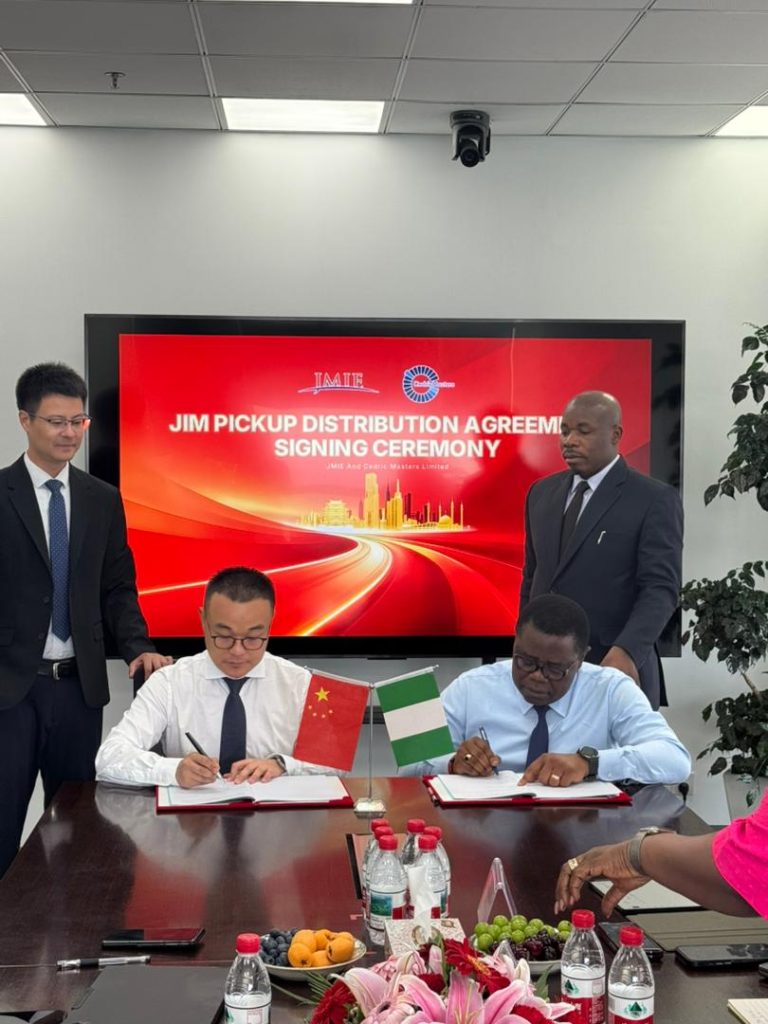
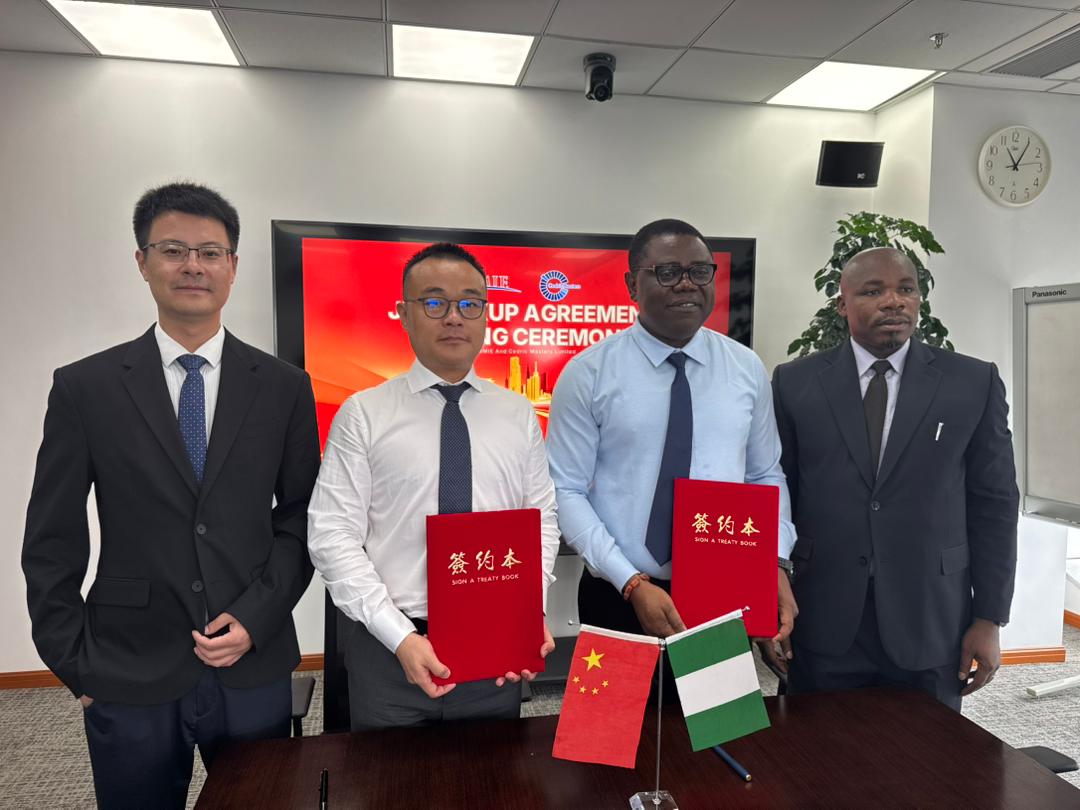
The DG also witnessed the signing of a collaboration agreement between Jiangling Motors Group Co. Ltd. and Nigerian automotive assembler, Cedric Masters Limited, led by its Chief Executive Officer, Chief Anslem Ilekuba. The partnership is expected to boost local production capacity and deepen industrial cooperation between both countries.
The discussions explored future opportunities in component localization, technical skills development, and electric vehicle technology, further reinforcing the shared commitment toward sustainable automotive industrial development in Nigeria.