

The National Automotive Design and Development Council (NADDC) and the Nigerian Tourism Development Authority (NTDA) have initiated discussions on a strategic partnership aimed at improving tourism mobility , promoting locally assembled vehicles and supporting economic growth.
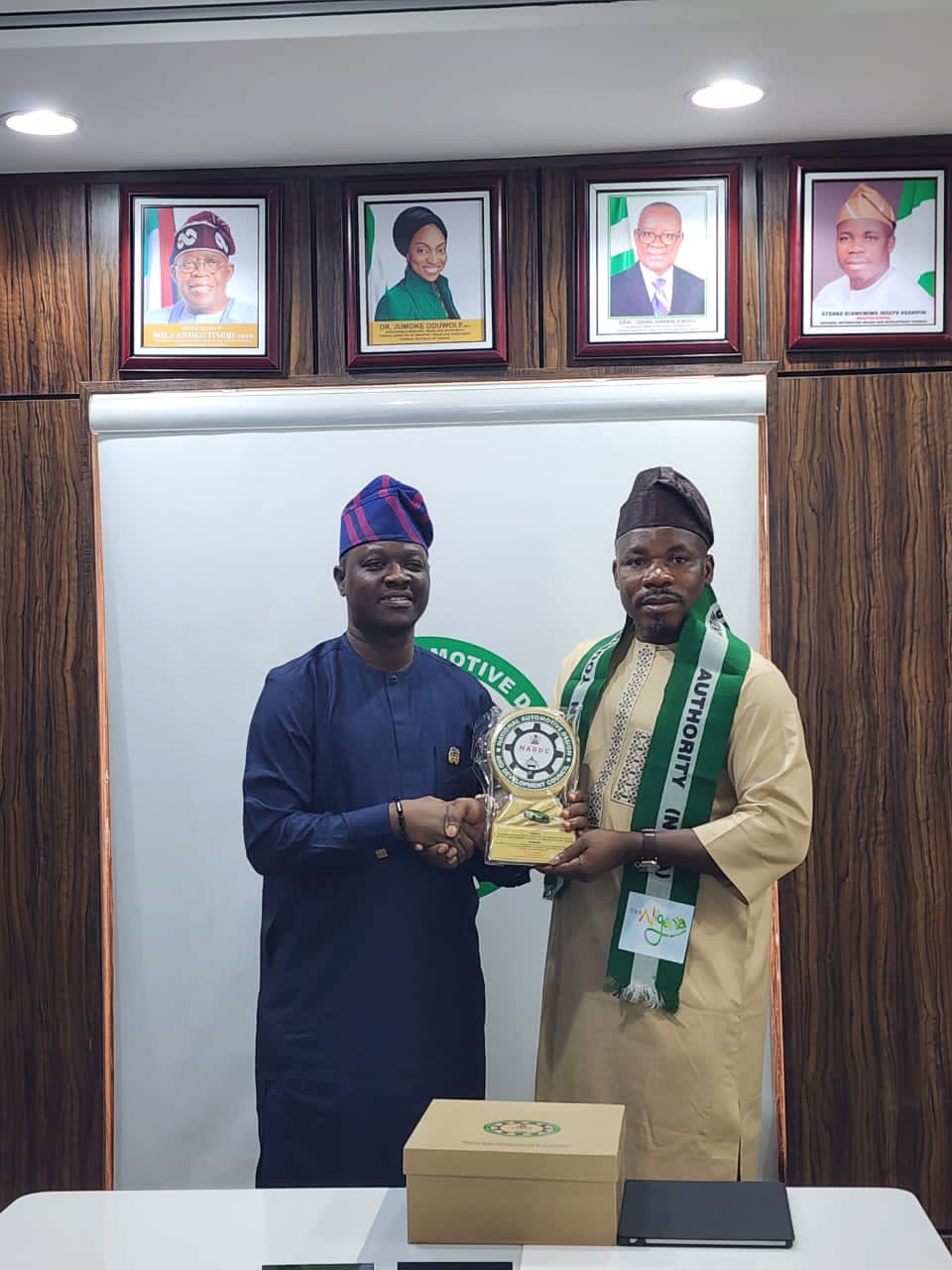
Speaking during a courtesy visit to NADDC headquarters in Abuja on June 9, 2026, the Director-General of NTDA, Dr. Olayiwola Awakan, emphasized the importance of transportation in driving tourism development. He noted that NTDA, as Nigeria’s apex tourism regulatory agency, is responsible for promoting the country’s cultural heritage, tourist destinations and hospitality industry to attract both local and international visitors.
Dr. Awakan highlighted NTDA’s proposed “Tour Ride” Initiative, designed to provide dedicated transportation services for tourists arriving in Nigeria. According to him, the initiative seeks to deploy locally assembled vehicles and buses, to ensure visitors enjoy a seamless travel experience from arrival to destination.
He explained that the Authority is also working with relevant stakeholders, including FAAN and security agencies, to establish Tourism Information Desks at airports and strengthen tourist safety and mobility across the country.
Responding, the Director-General of NADDC, Otunba Oluwemimo Joseph Osanipin, welcomed the initiative, describing it as a practical avenue for collaboration between the automotive and tourism sectors.
Osanipin reaffirmed NADDC’s readiness to engage vehicle manufacturers, assemblers and fleet operators within the automotive ecosystem to support the deployment of locally assembled vehicles for tourism-related services. He further noted that existing automotive events and motor rally activities supported by the Council could serve as platforms for promoting tourism and showcasing Nigeria’s automotive capabilities to a wider audience.
He added that NTDA’s expertise in marketing Nigeria as a destination presents an opportunity to elevate such automotive-based tourism activities to national and international levels.
Both agencies agreed to establish a joint working committee to identify areas of collaboration and develop a framework for implementation.
The partnership is expected to strengthen tourism mobility, encourage the use of locally assembled vehicles, promote domestic tourism and contribute to Nigeria’s economic development through greater synergy between the automotive and tourism sectors.