

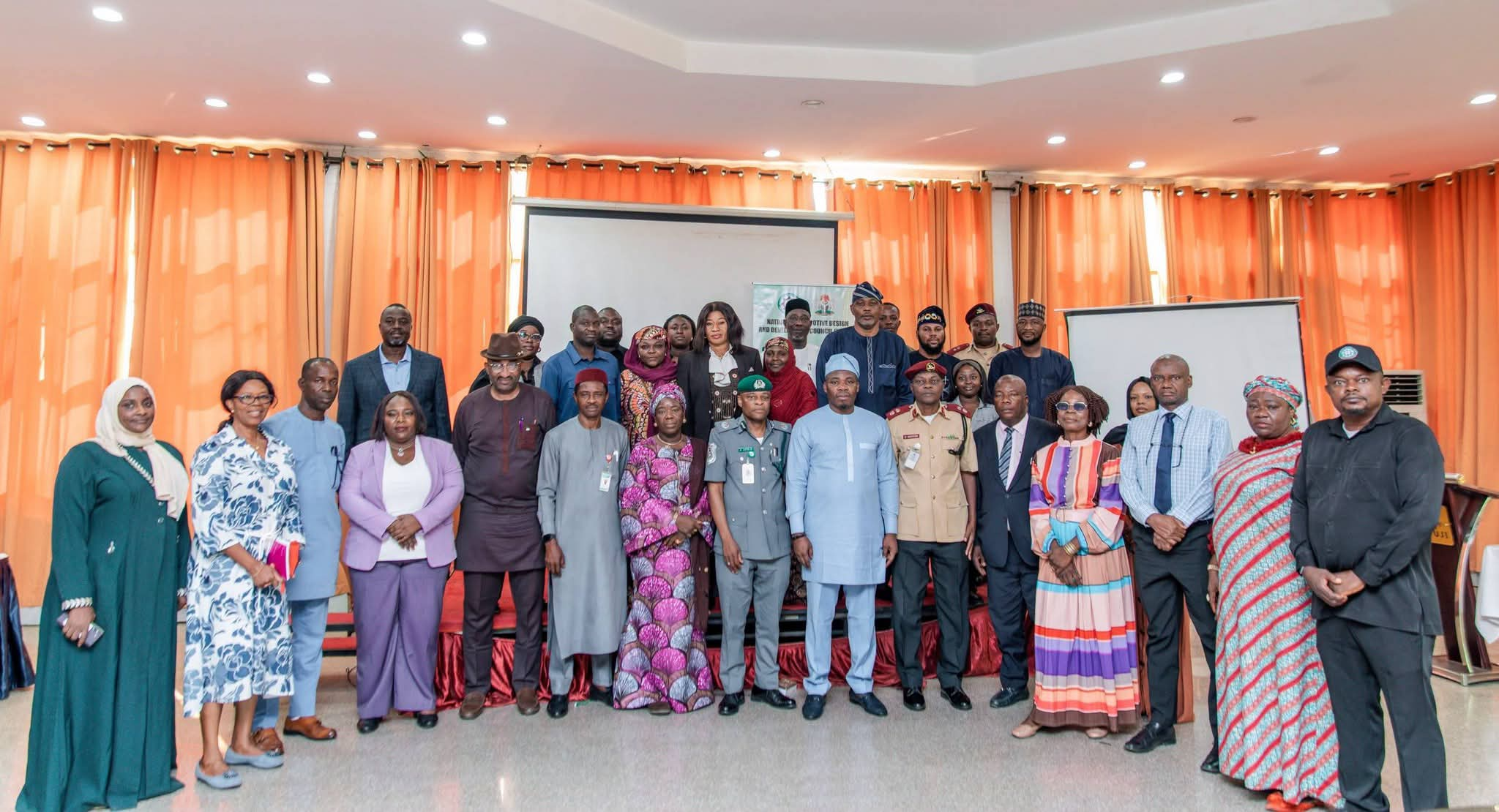
The National Automotive Design and Development Council (NADDC) has engaged Ministries, Departments and Agencies (MDAs) and other public sector stakeholders on the Draft National Automotive Industry Bill, 2026, to strengthen the legislative and institutional framework for Nigeria’s automotive industry.
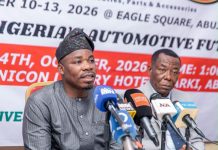
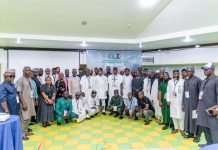
The consultative meeting, held on Tuesday, November 3rd 2026, in Abuja, provided a platform to examine the proposed legislation, identify areas requiring inter-agency coordination and make recommendations towards a comprehensive legal framework.
The Bill seeks to repeal the National Automotive Design and Development Council Act, 2014 and establish the National Automotive Development Commission, with expanded regulatory, oversight and enforcement responsibilities to support local manufacturing, attract investment, strengthen quality standards and promote sustainable industrial growth.
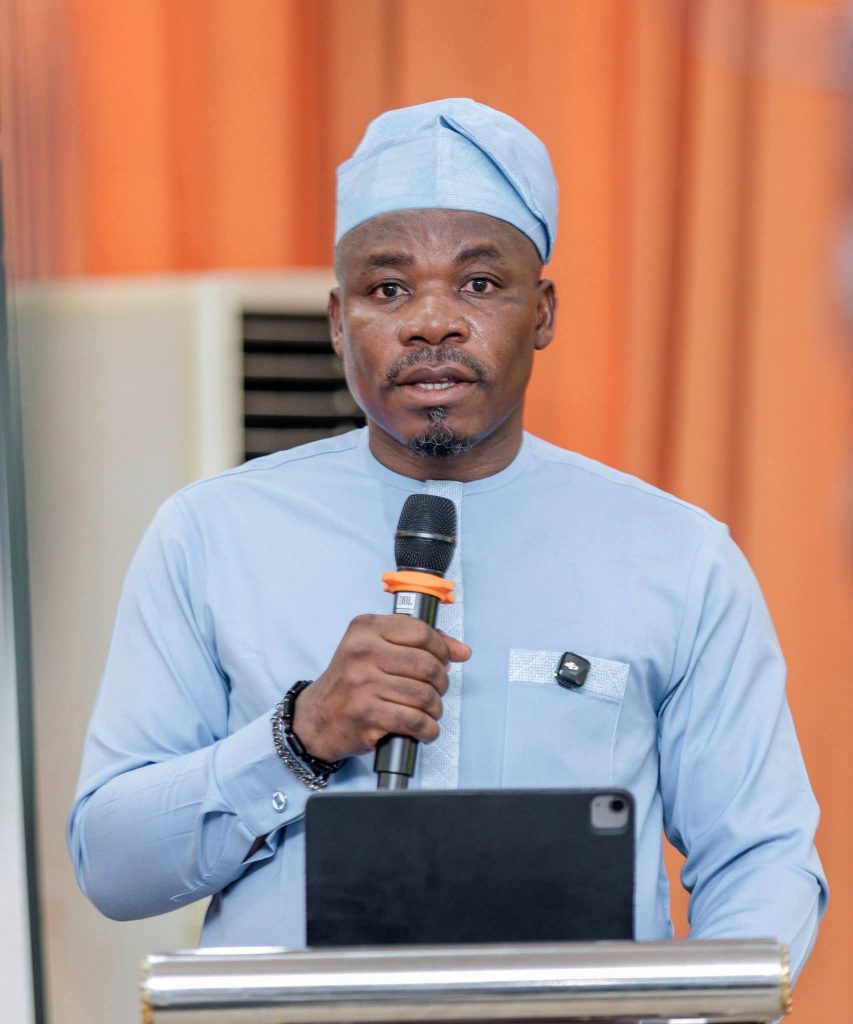
Speaking at the engagement, NADDC Director-General, Otunba Oluwemimo Joseph Osanipin, described the Bill as a strategic step towards transforming Nigeria’s automotive industry into an integrated and self-sustaining value chain. He highlighted its focus on local content, component manufacturing, green mobility and a predictable environment for investment and industrial growth.
He noted that the transition to a Commission would strengthen the sector’s regulatory and institutional framework. He added that recommendations from the private sector engagement held in Lagos approximately six weeks earlier had been incorporated into the working draft. He urged public sector stakeholders to identify regulatory gaps, address institutional overlaps and provide practical recommendations for effective implementation.
The Chairman of the House of Representatives Committee on Industry, Hon. Enitan Dolapo Badru, said developments in global automotive technology and trade had made a review of the 2014 Act necessary. He noted that the proposed Commission would have broader regulatory, policy advisory and enforcement responsibilities than the existing Council.
He urged NADDC and participating agencies to address potential overlaps with the Standards Organisation of Nigeria (SON), Nigeria Customs Service, National Agency for Science and Engineering Infrastructure (NASENI) and Nigerian Investment Promotion Commission (NIPC). He also stressed that proposed fiscal incentives and local content requirements must be practical, enforceable and consistent with Nigeria’s international obligations. He assured participants of the National Assembly’s legislative attention, including further deliberations and a public hearing.
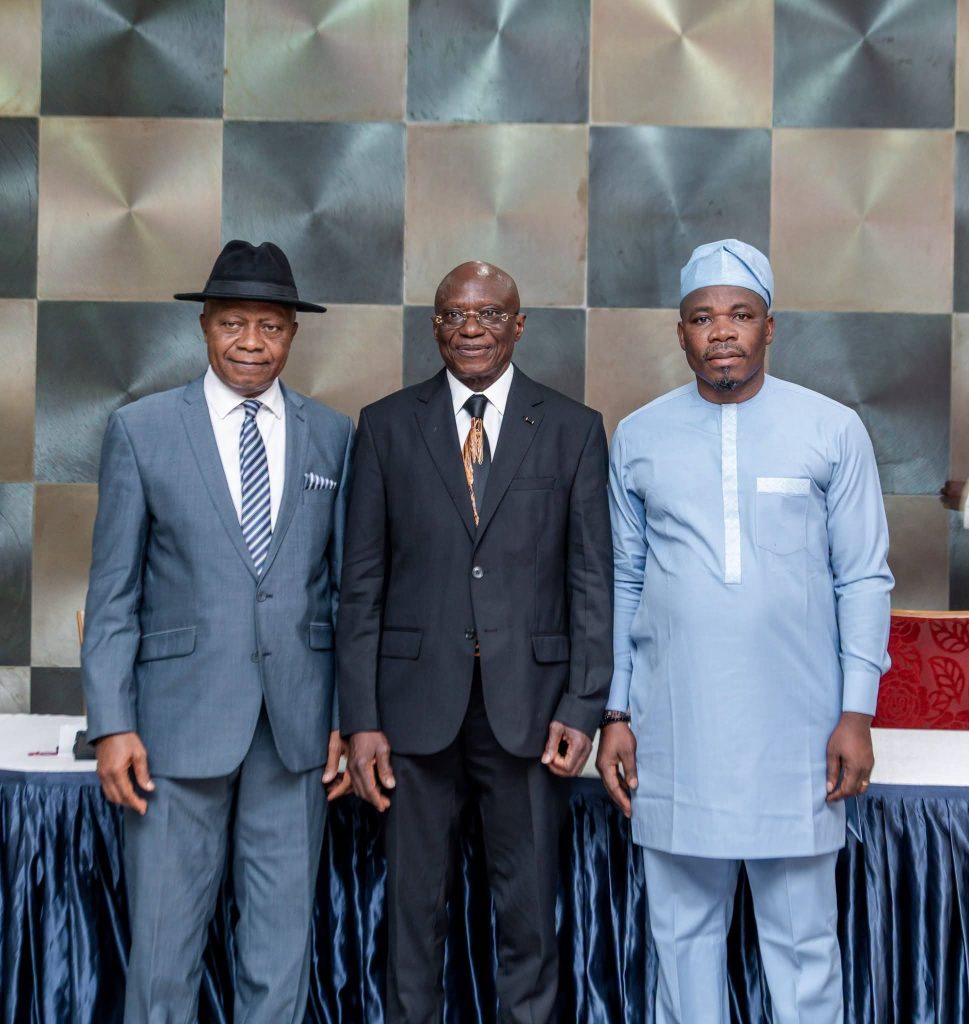
The engagement featured a legal presentation by Mr Gboyega Oyewale, SAN, followed by stakeholder deliberations. The key recommendations will inform further refinement of the Draft National Automotive Industry Bill, 2026, ahead of its proposed transmission to the National Assembly.