

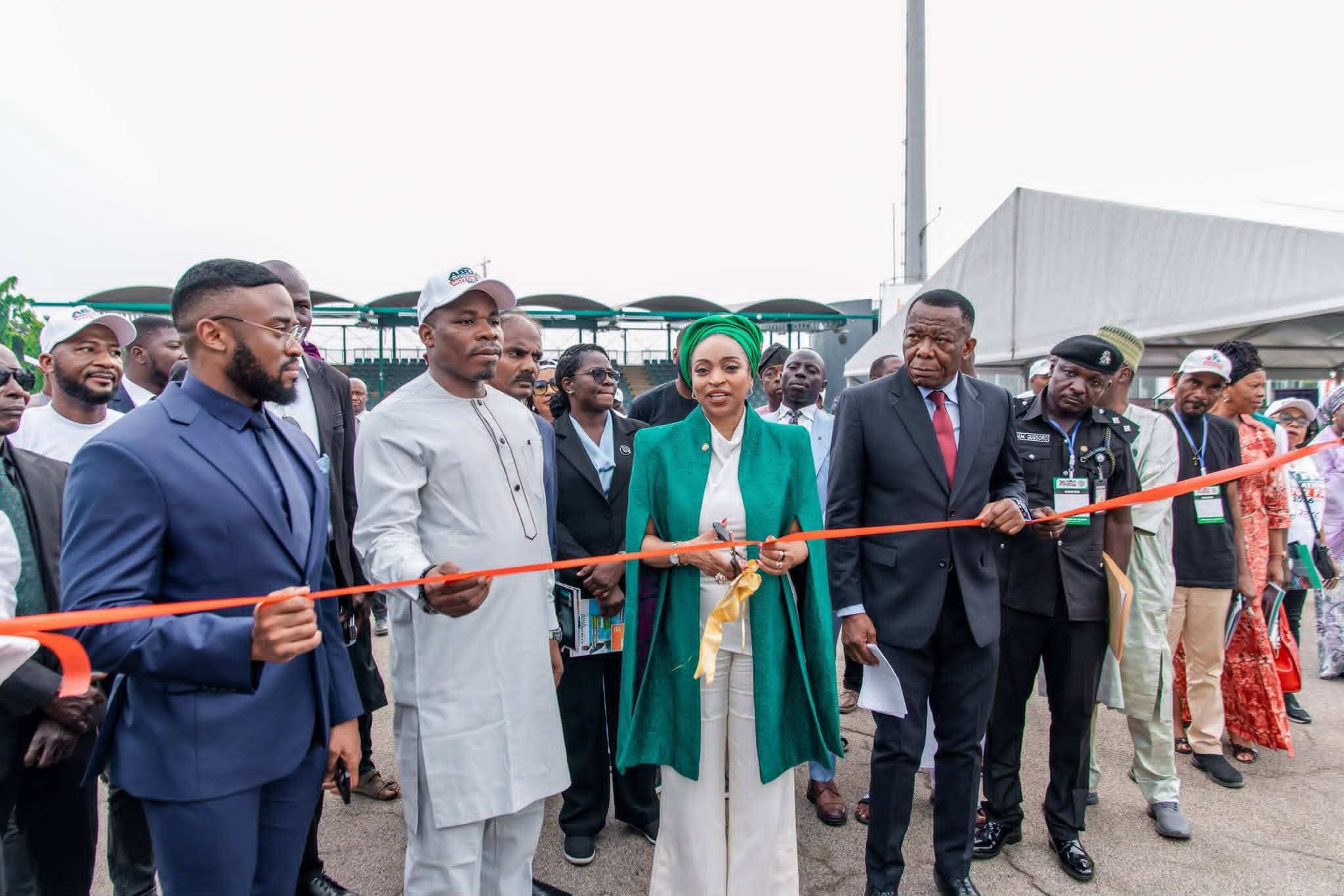
The Federal Government has reaffirmed its commitment to strengthening Nigeria’s automotive industry through policy reforms, increased investment, local manufacturing and improved access to regional markets, as the 26th Abuja International Motor Fair officially opened at Eagle Square, Abuja.
The opening ceremony, hosted by the National Automotive Design and Development Council (NADDC) in collaboration with BKG Exhibition Limited, brought together government officials, policymakers, investors, vehicle manufacturers, assemblers, industry associations and other key stakeholders to explore opportunities for the sustainable growth of Nigeria’s automotive sector.
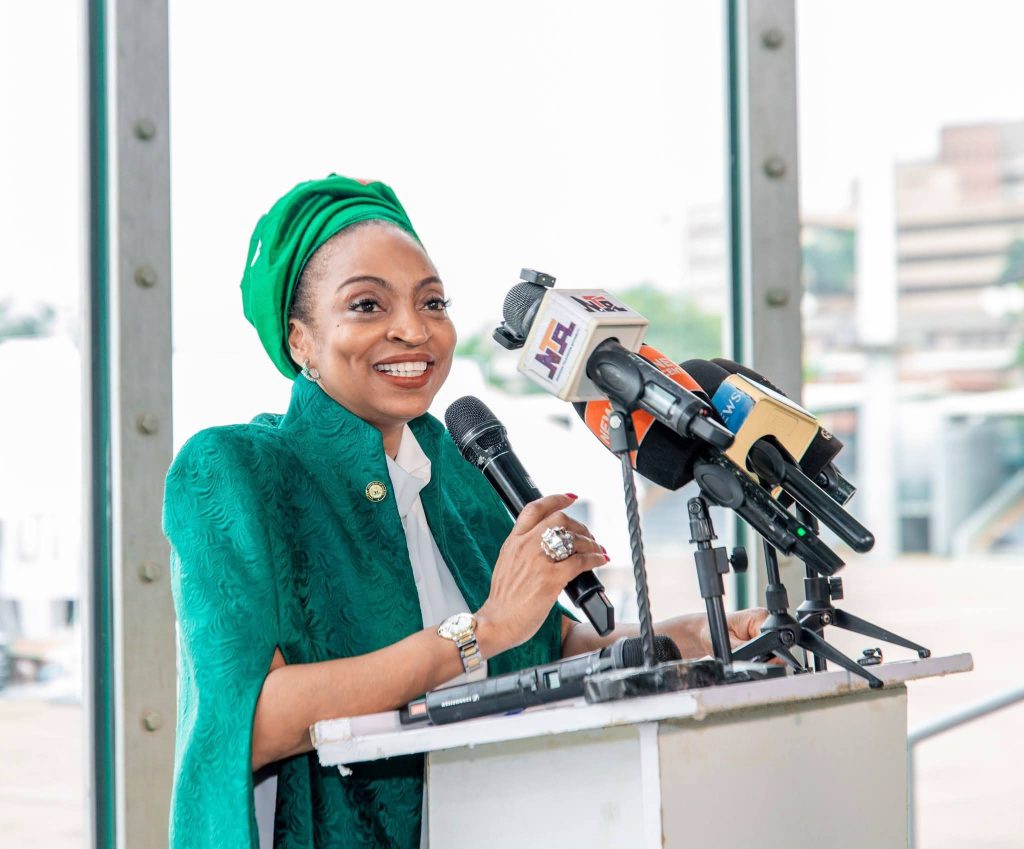
Speaking at the ceremony, the Honourable Minister of Industry, Trade and Investment, Dr Jumoke Oduwole (MFR), highlighted the automotive industry’s enormous potential to generate employment, stimulate economic growth and strengthen linkages with other critical sectors of the economy.
She noted that the Federal Government was working towards leveraging the African Continental Free Trade Area (AfCFTA) to expand market access for Nigeria’s locally manufactured automotive products and position the country as a significant player in Africa’s automotive value chain.
The Minister also stressed the need for an automotive industry legal framework that reflects contemporary realities, alongside improved access to financing for manufacturers and consumers. She further identified opportunities for the automotive industry to stimulate growth in the solid minerals, iron and steel sectors, while creating employment across the value chain.
She reaffirmed the government’s commitment to supporting local industry players to connect with the wider African market, while ensuring that Nigerians have access to quality vehicles.
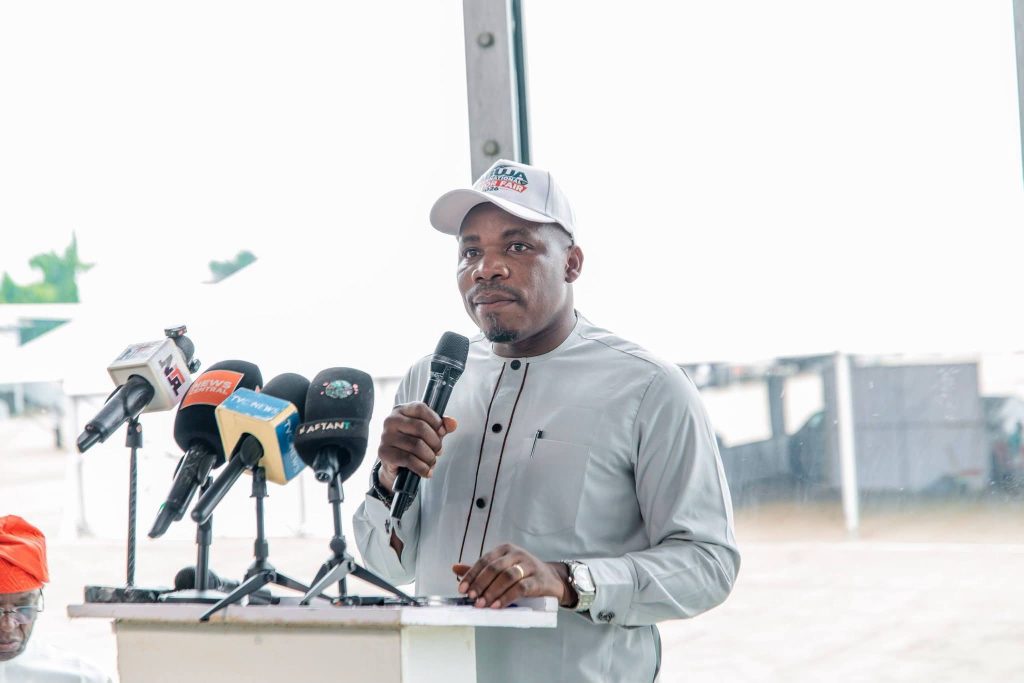
In his welcome address, the Director-General of NADDC, Otunba Oluwemimo Joseph Osanipin, emphasised the importance of strengthening the legal and institutional framework governing the automotive industry to address emerging industry trends and create an enabling environment for sustainable growth.
He highlighted the need to improve Nigerians’ access to locally manufactured vehicles and develop a robust spare parts market capable of meeting the needs of vehicles currently in use across the country.
Osanipin reaffirmed the Council’s commitment to driving the development of Nigeria’s automotive industry to its full potential. He also commended the Federal Government for its continued support towards strengthening local production capacity and building an industry capable of meeting the country’s automotive needs.
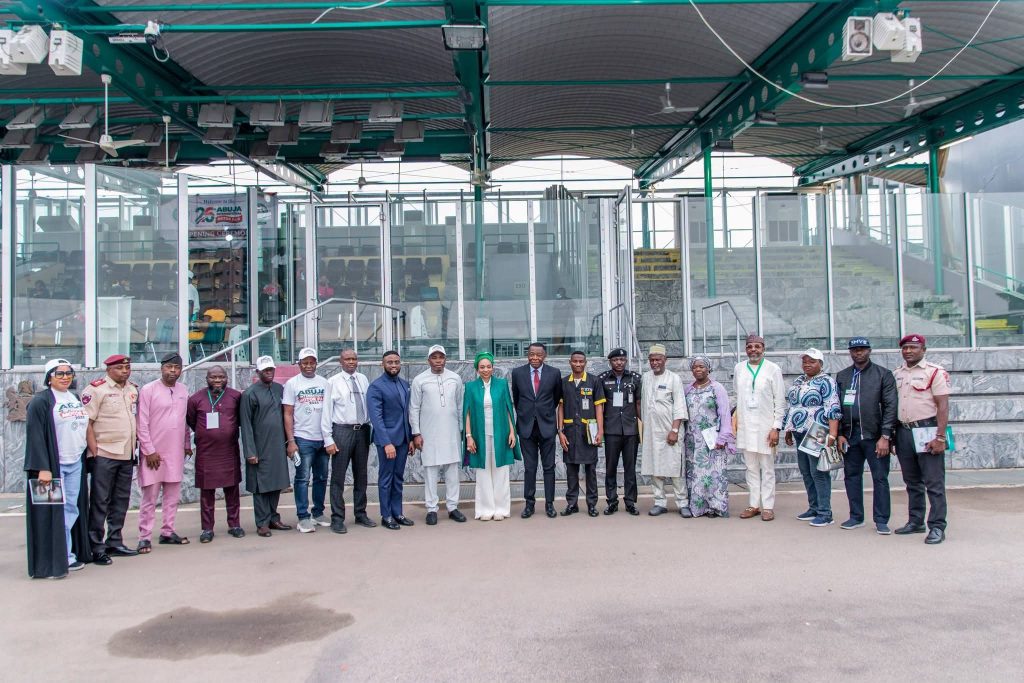
The 26th Abuja International Motor Fair provides a strategic platform for showcasing automotive innovations, promoting locally manufactured products, facilitating business-to-business engagements and strengthening partnerships among industry stakeholders. It also reinforces ongoing efforts to advance Nigeria’s automotive industrialisation agenda.
The fair will run from 10th to 13th November 2026, with vehicle assemblers, automotive manufacturers, component parts manufacturers and other industry players exhibiting their products, technologies and innovations at Eagle Square, Abuja.
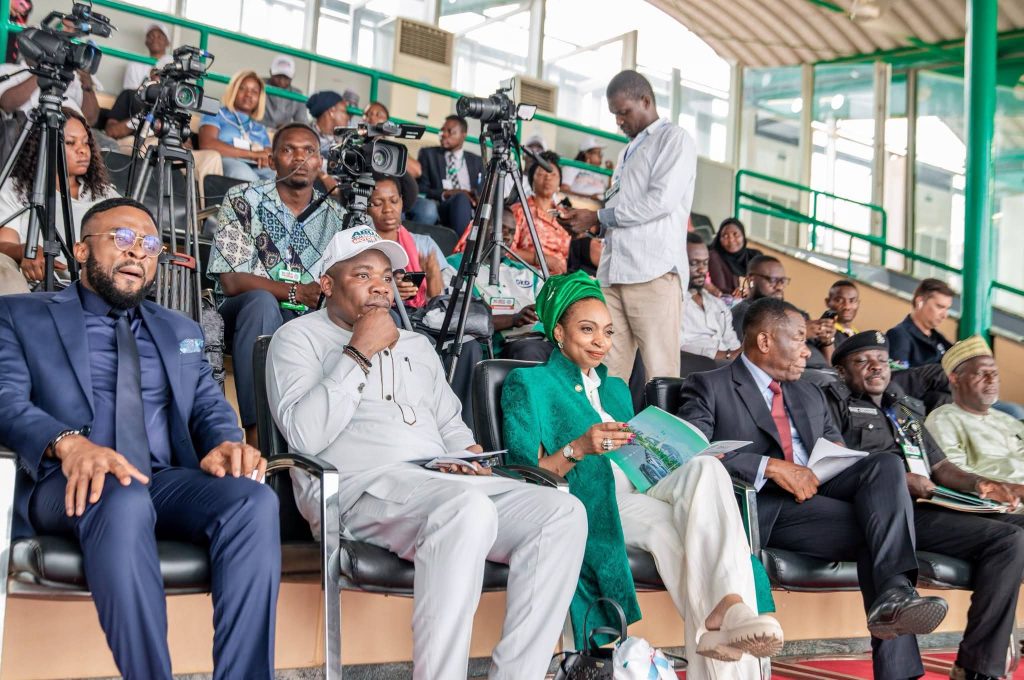
Entry is free for the general public, automotive enthusiasts, prospective vehicle buyers, investors and other interested stakeholders are encouraged to visit the exhibition stands, engage directly with manufacturers and assemblers, explore available products and support Nigeria’s growing automotive industry.