


The National Automotive Design and Development Council (NADDC), in collaboration with the Standards Organisation of Nigeria (SON) and the National Environmental Standards and Regulations Enforcement Agency (NESREA), has reaffirmed its commitment to strengthening the regulation of used vehicle imports into Nigeria through the Vehicle Conformity Assessment Programme (VehCAP). The programme, officially launched on 31st March 2026, represents a significant milestone in efforts to ensure that used vehicles entering the country meet established safety, environmental and quality standards.

The Director-General of NADDC, Otunba Oluwemimo Joseph Osanipin, said the tripartite initiative brings together SON’s standardisation mandate, NESREA’s environmental regulatory responsibilities and NADDC’s technical automotive expertise to establish a coordinated framework for assessing imported used vehicles before they enter the Nigerian market. He commended the commitment and technical contributions of personnel from the three agencies, noting that the progress recorded under VehCAP demonstrates the importance of inter-agency collaboration in delivering effective regulatory reforms for the benefit of Nigerians.
According to him, VehCAP is primarily aimed at protecting lives, safeguarding the environment and ensuring that Nigerians derive value from imported used vehicles. He noted that by strengthening conformity assessment, the programme would help reduce the risks associated with unsafe and unroadworthy vehicles, curb harmful vehicular emissions and protect consumers from substandard imports. He therefore called for sustained collaboration and shared responsibility among the three agencies and stakeholders to ensure the effective implementation of the programme and the continued development of a safer, cleaner and more structured automotive sector.
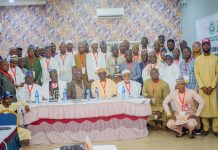
The Director-General of SON, Dr. Ifeanyi Chukwunonso Okeke, described the signing of the reviewed Memorandum of Understanding (MoU) between NADDC, SON and NESREA as an important milestone in the implementation of VehCAP. He said the renewed institutional collaboration demonstrated the willingness and determination of the three agencies to succeed while strengthening the protection of stakeholders. He explained that the reviewed MoU provides a stronger institutional framework for coordinated implementation, adding that the success of VehCAP would depend largely on the quality of collaboration among the participating institutions and their ability to translate the agreed framework into practical results.
Dr. Okeke stated that with the signing of the reviewed MoU, the focus of the three institutions had shifted firmly towards implementation, stressing that their collective commitment would provide a strong foundation for the successful execution of VehCAP. He also called for continued support from stakeholders and partner institutions as the programme progresses into its next phase.
The Director-General of NESREA, Professor Innocent Bariate Barikor, described VehCAP as an important national programme that cuts across standards, automotive development, environmental protection, public safety, consumer protection and regulatory enforcement. He emphasised that its success depends on effective collaboration among the relevant institutions, noting that the programme provides a platform through which the respective regulatory functions of NADDC, SON and NESREA can complement one another to deliver a more effective vehicle compliance system.
Professor Barikor further stressed that NESREA’s participation is particularly significant because of the environmental implications associated with the automotive sector. He noted that vehicle emissions, air pollution, end-of-life vehicles and other environmental impacts across the automotive value chain require strong regulatory attention. According to him, ensuring that vehicles on Nigerian roads comply with applicable environmental standards, from manufacturing through usage and eventual disposal, remains an important component of the country’s broader environmental protection efforts.
The three agencies reaffirmed their commitment to placing the interests, safety and well-being of Nigerians at the centre of their regulatory interventions. They stressed that the effective implementation of VehCAP would contribute to improved road safety, environmental sustainability, consumer protection and greater confidence in Nigeria’s vehicle importation system, while supporting the development of a more organised and sustainable automotive industry.