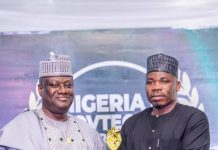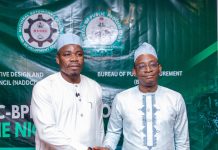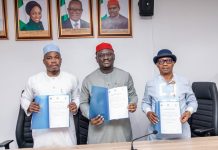


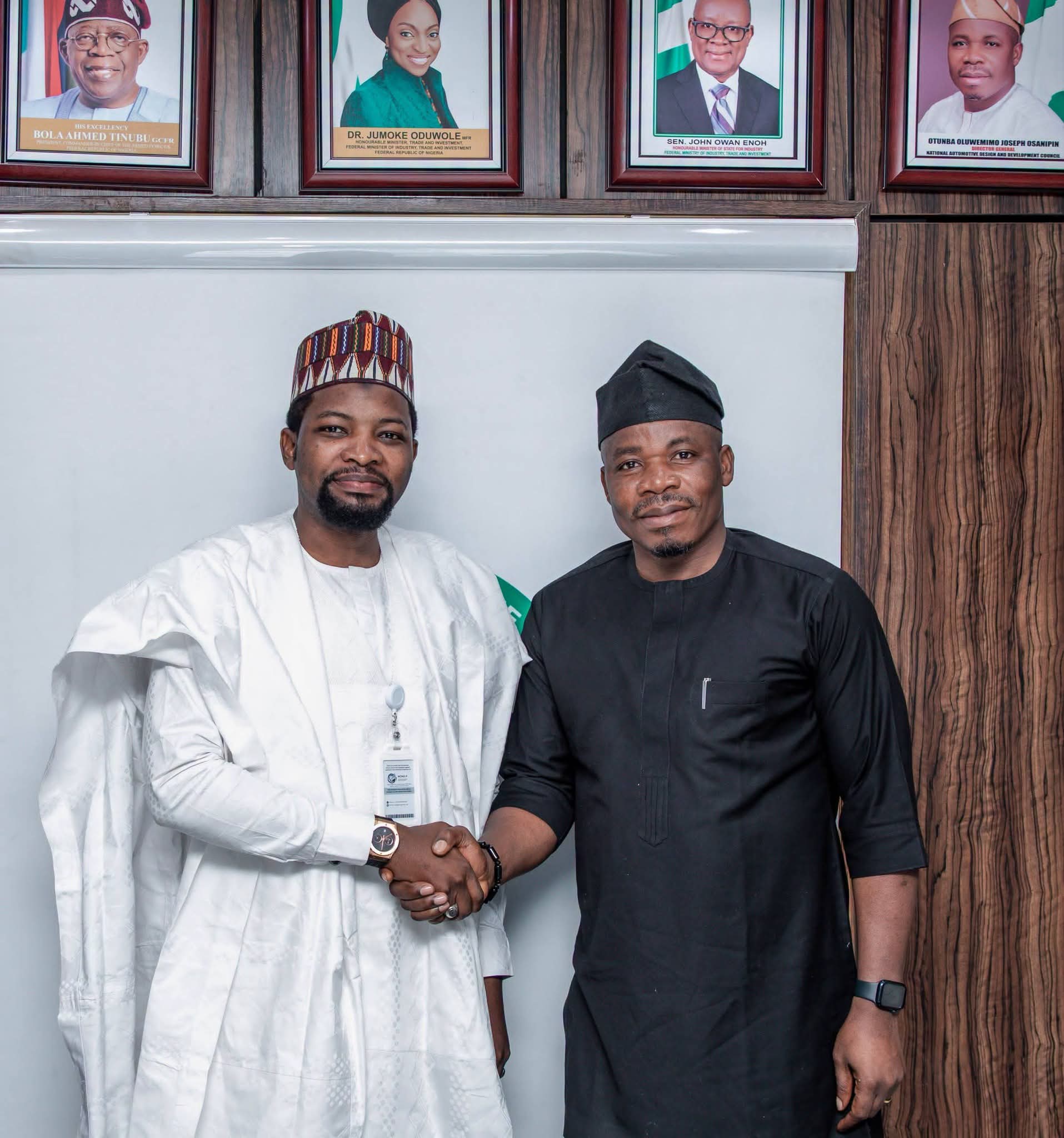
The National Automotive Design and Development Council (NADDC) on Wednesday, 12 August 2026, received a delegation from the National CNG Forum (NCNG-F), led by its Chairman, Faruk Abdullahi, at the Council’s headquarters in Abuja.
The visit focused on the future of Compressed Natural Gas (CNG) in Nigeria and its close relationship with the development and transformation of the country’s automotive industry. The engagement provided an opportunity for both organisations to explore areas of collaboration that could strengthen Nigeria’s CNG ecosystem and support the growth of the local automotive sector.
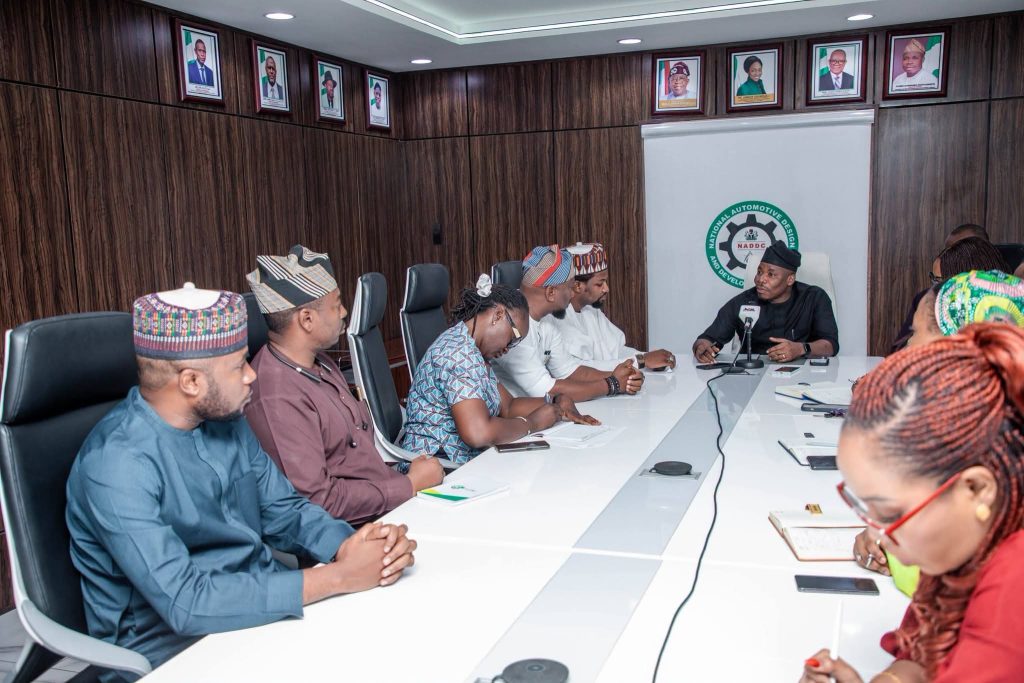
Speaking during the visit, the Chairman of the National CNG Forum, Faruk Abdullahi, expressed their believe in a fruitful engagement with the Council to ensure successful implementation of the CNG policy, and cited several areas of collaboration between NADDC and NCNG-F. He identified technical standards and quality assurance, local content and indigenous manufacturing, skills development, and research and innovation as key areas of potential collaboration.
Abdullahi described NADDC as a strategic partner in the development of Nigeria’s automotive and CNG ecosystem, stressing that government institutions and industry stakeholders must work together to ensure that the transition to CNG goes beyond a change of fuel. According to him, the CNG transition should serve as a catalyst for automotive industrialisation, local content development, skills acquisition, innovation and job creation.
He added that the National CNG Forum is committed to bringing the practical experience and perspectives of industry stakeholders to the table while supporting the objectives of the Federal Government. He emphasized the need for stronger collaboration between government agencies and the private sector to address challenges and maximize the opportunities presented by CNG.
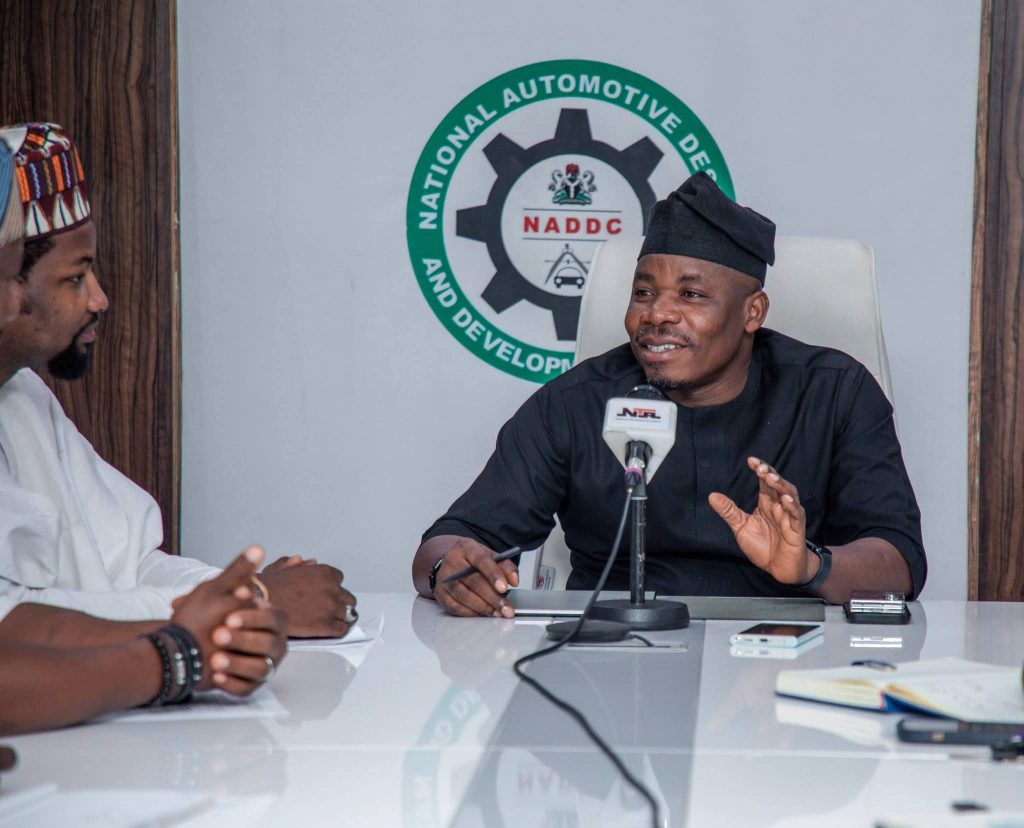
Responding, the Director-General/Chief Executive Officer of NADDC, Otunba Oluwemimo Joseph Osanipin, highlighted Nigeria’s abundant natural gas resources and the economic benefits of CNG as an alternative fuel. He noted that CNG is cheaper to maintain and more sustainable than Premium Motor Spirit (PMS), stressing that its wider adoption could have a significant impact on the Nigerian economy.
The NADDC DG further stated that the CNG transition has the potential to generate employment and contribute significantly to industrial development. He emphasized that achieving these benefits requires the collective efforts of government, the private sector, industry stakeholders and relevant forums that can aggregate challenges, opportunities and practical solutions.
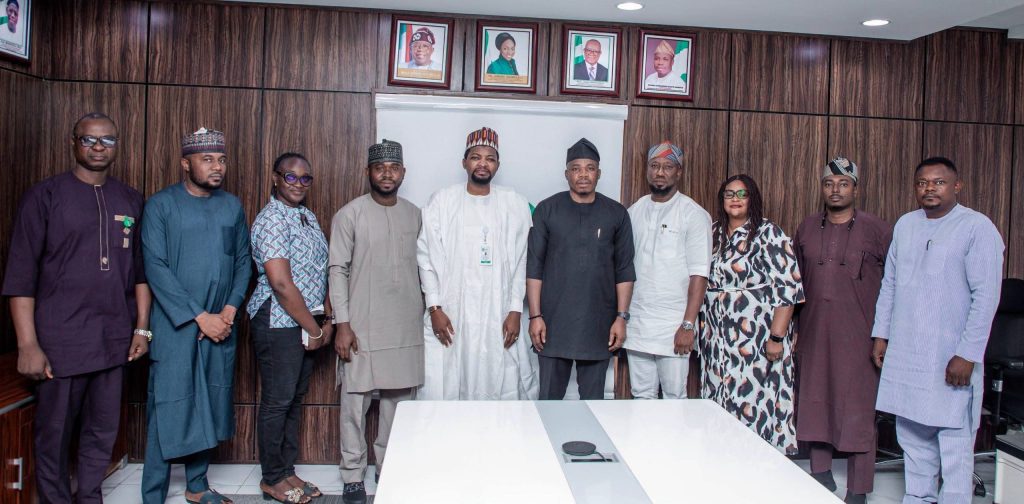
He therefore called for sustained collaboration among stakeholders to develop a robust CNG ecosystem that would not only support cleaner and more affordable mobility but also promote local manufacturing, skills development, innovation, employment generation and the overall growth of Nigeria’s automotive industry.