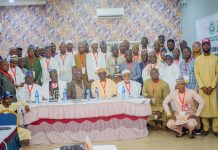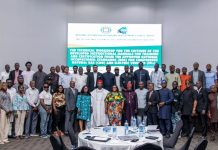


The Senate Committee has expressed its readiness to accelerate the passage of the proposed National Automotive Industry Bill 2026, to protect vehicle manufacturers and advance the development of the Nigeria automotive industry. The committee made this known during an oversight visit conducted in collaboration with the National Automotive Design and Development Council (NADDC), to key automotive facilities in Kano and Kaduna States as part of efforts to assess the readiness and capacity of Nigeria’s automotive industry to meet local demand.

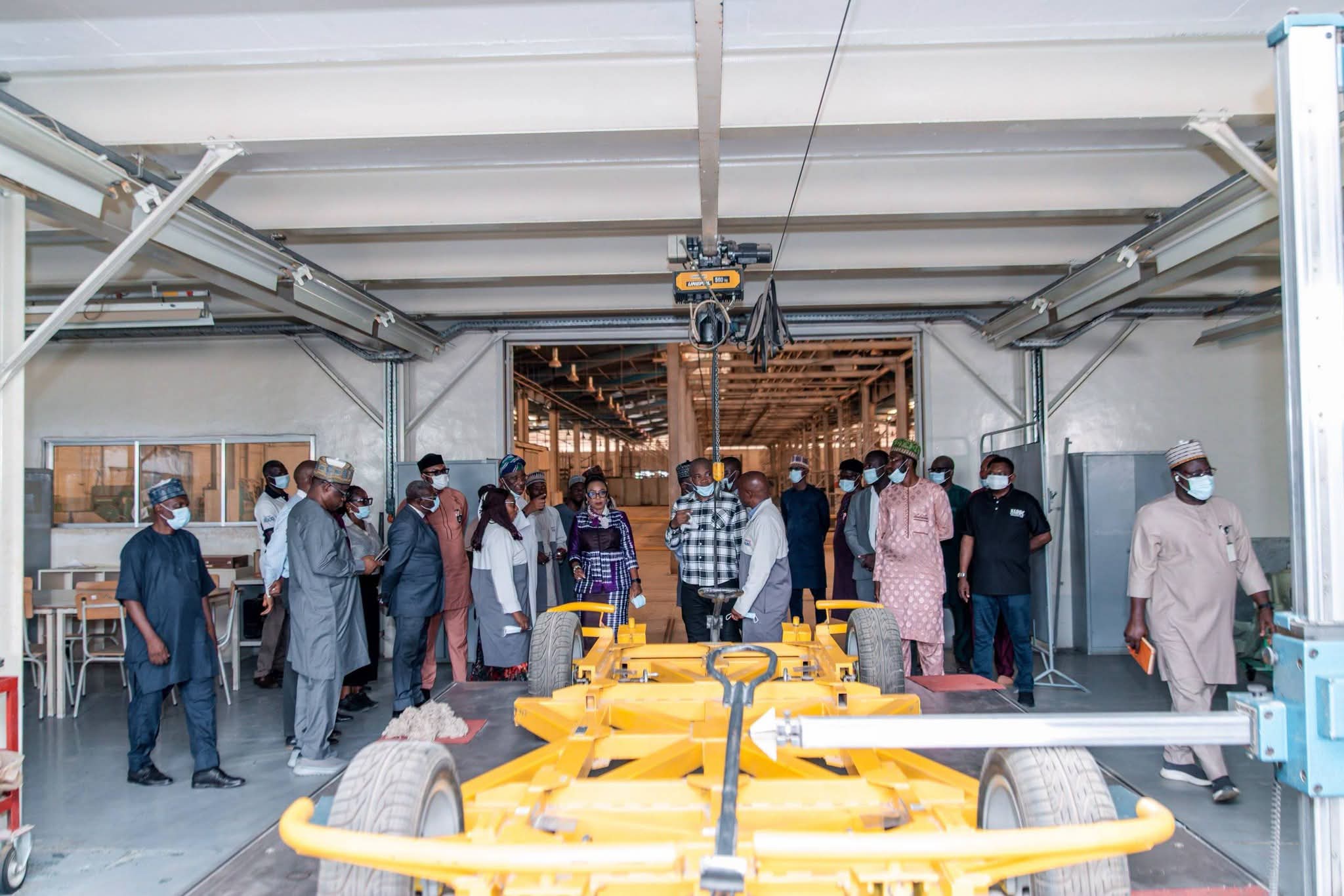
The oversight exercise, which commenced in Kano and proceeded to Kaduna on October 4th, 2026, provided the Committee with an opportunity to inspect facilities, assess their operational capacity and identify challenges affecting large-scale automotive production in the country. During the exercise, the Committee visited the NADDC Automotive Training/CNG Conversion Centre in Kano, PAN Nigeria Ltd in Kaduna, and D-PAN in Kaduna, where members inspected the facilities and assessed their capacity to contribute to increased local vehicle production and the development of the automotive value chain.
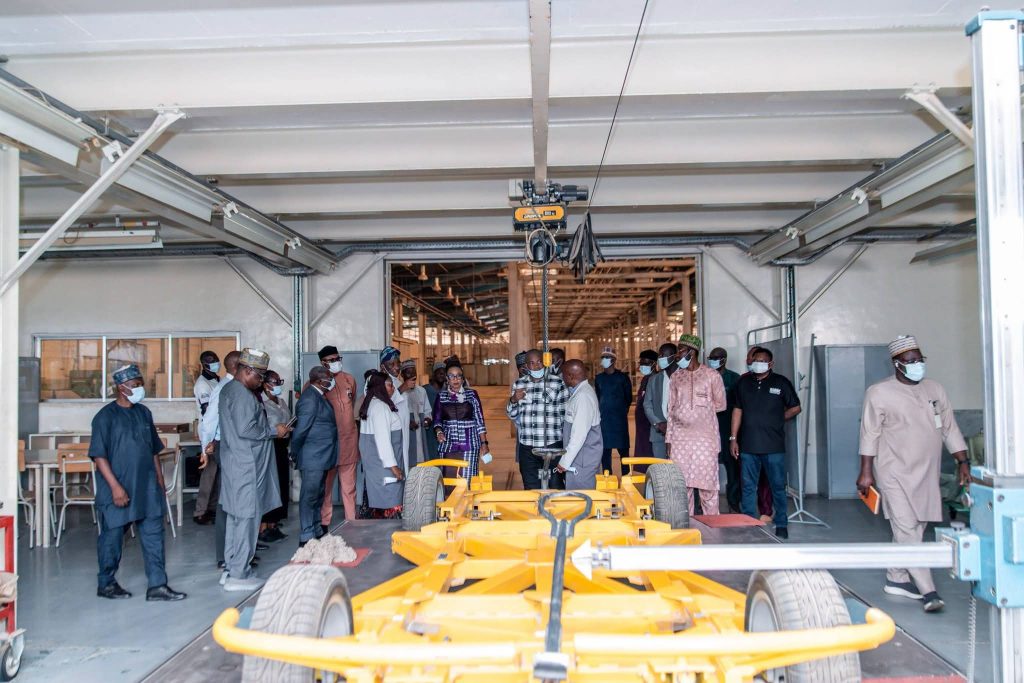
Speaking during the inspection, the Chairman of the Senate Committee on Industry, Senator Francis Adenigba Fadahunsi, expressed satisfaction with the state of the facilities visited, noting that they are operational and have the capacity to support massive production. He, however, stressed the need for sustained maintenance and stronger government support to enable the facilities to operate at full capacity.
Senator Fadahunsi further advocated policies that would encourage local production, particularly through restrictions on the importation of foreign-used vehicles, popularly known as Tokunbo, as well as tricycles that can be produced locally. He noted that such measures would strengthen domestic manufacturing, create jobs and protect investments in Nigeria’s automotive sector.
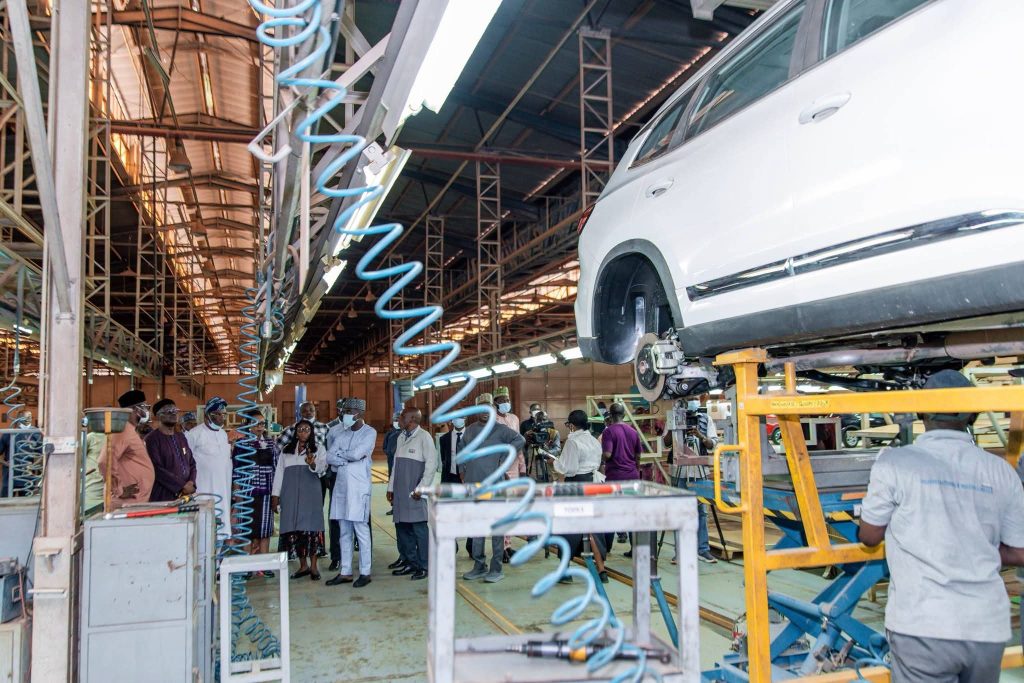
According to him, the oversight visit is in the national interest, as lawmakers need to understand the challenges confronting industries in order to develop appropriate legislative interventions. “We are the lawmakers, and the essence of the oversight is to see and know the challenges, so we can make sure that the law is passed,” he stated, emphasising the need to amend existing legislation and introduce appropriate restrictions on foreign-used vehicles where necessary.
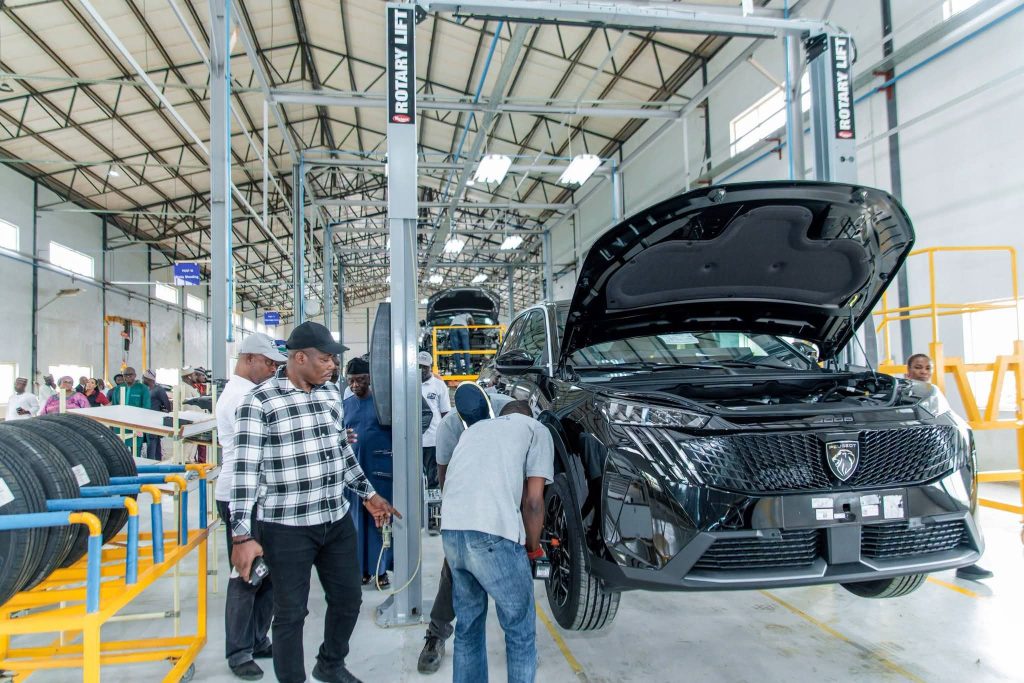
The Director-General of NADDC, Otunba Oluwemimo Joseph Osanipin, said the visit was particularly significant in the context of the Federal Government’s “Nigeria First Policy”. He explained that one of the major questions being asked is whether Nigeria has the capacity to produce enough vehicles to meet domestic demand, adding that the facilities inspected during the visit provide clear evidence that the country possesses the required industrial capacity.
The NADDC helmsman noted that several impediments to the growth of the automotive industry have already been identified and are being addressed systematically. He identified legislation, patronage, and access to credit as some of the key areas requiring attention, noting that the Nigeria First Policy is designed to encourage greater patronage of locally manufactured vehicles. He also disclosed that the Council is working with the Nigerian Consumer Credit Corporation (CrediCorp) to expand its credit schemes to cover more categories of vehicles beyond the current focus on two- and three-wheelers.
Osanipin stressed that the major challenges confronting Nigeria’s automotive industry are being addressed one after another through collaboration among relevant government institutions and industry stakeholders. He expressed optimism that sustained legislative support, increased patronage, accessible vehicle financing and appropriate policies would unlock the full potential of the sector and position Nigeria as a competitive automotive manufacturing hub.