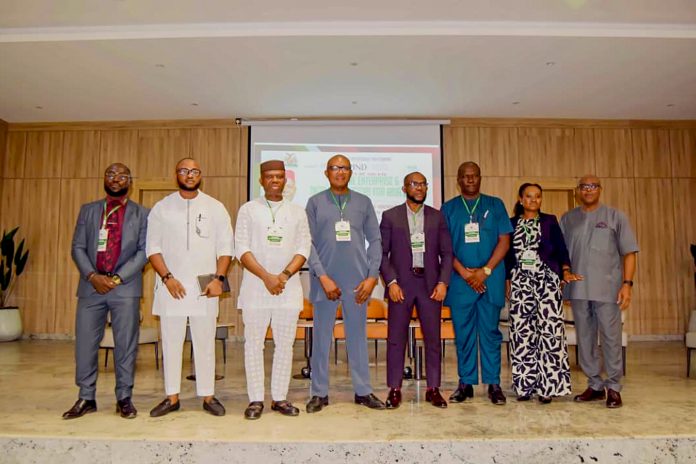
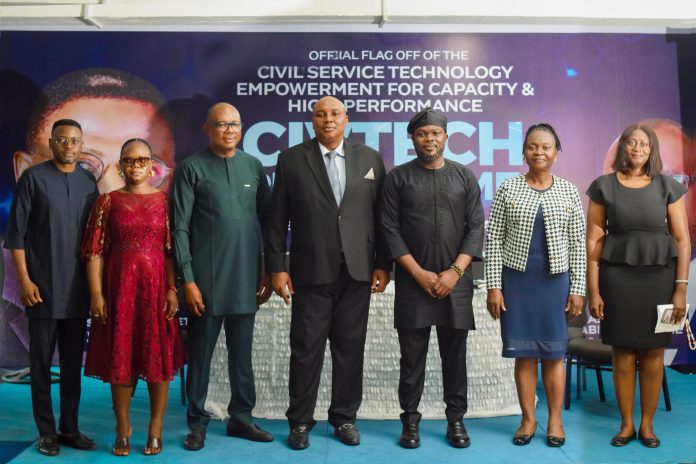
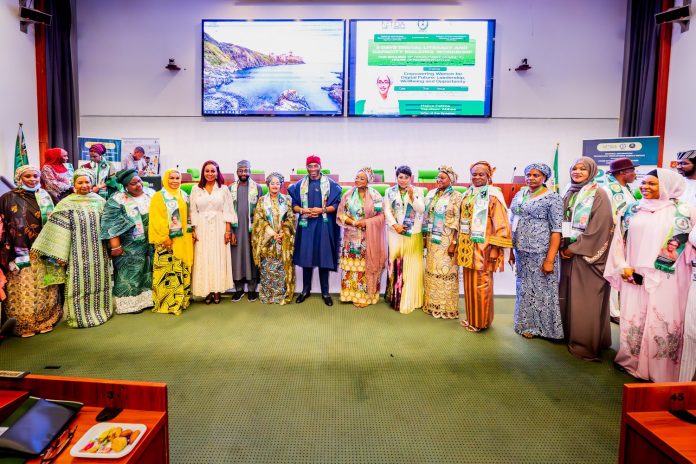
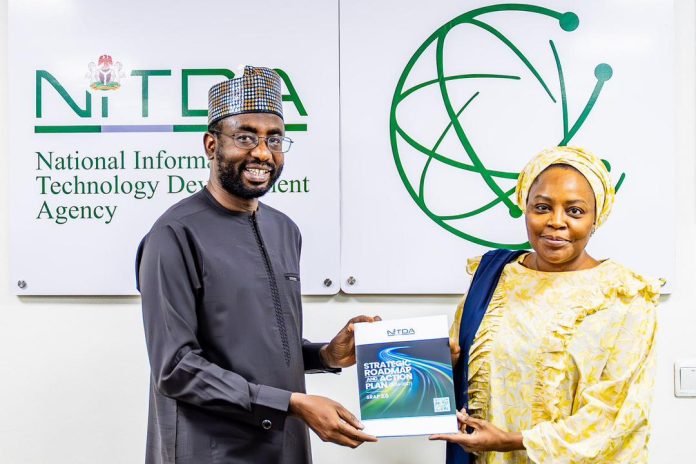
NITDA Equips Federal Character Commission with Data Tools to Drive Public Sector Reform

0

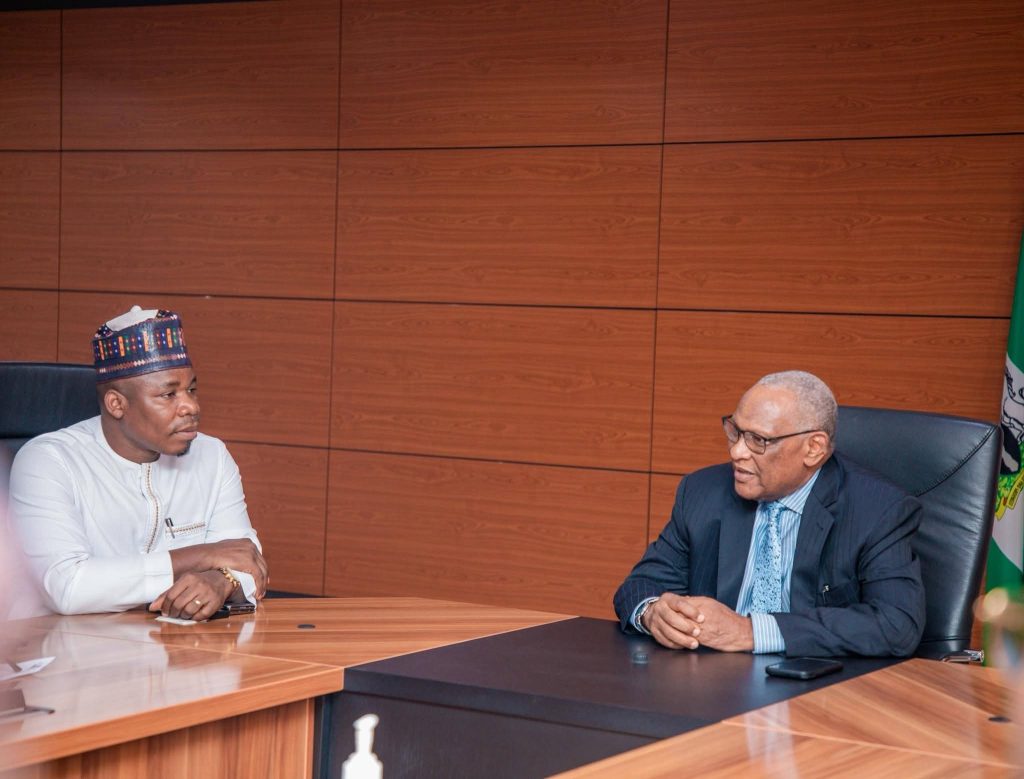
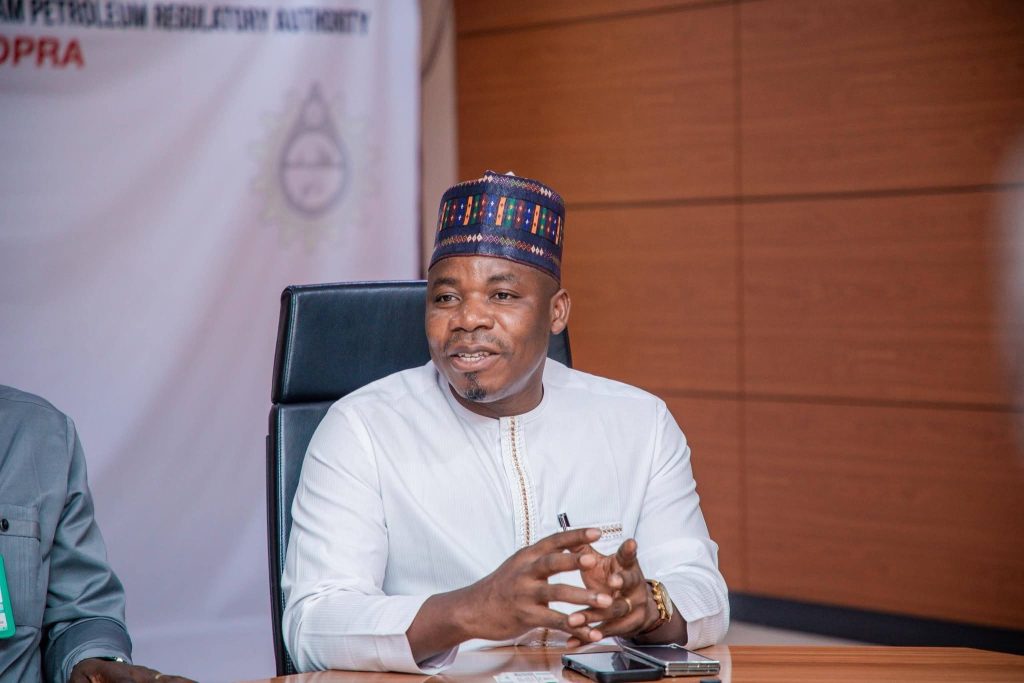
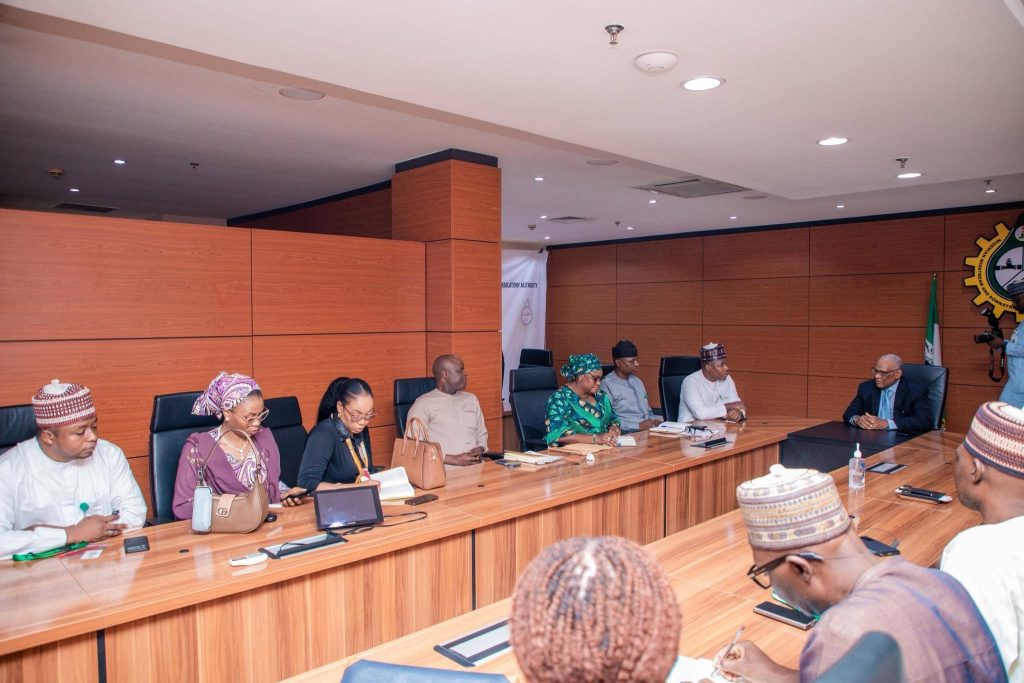
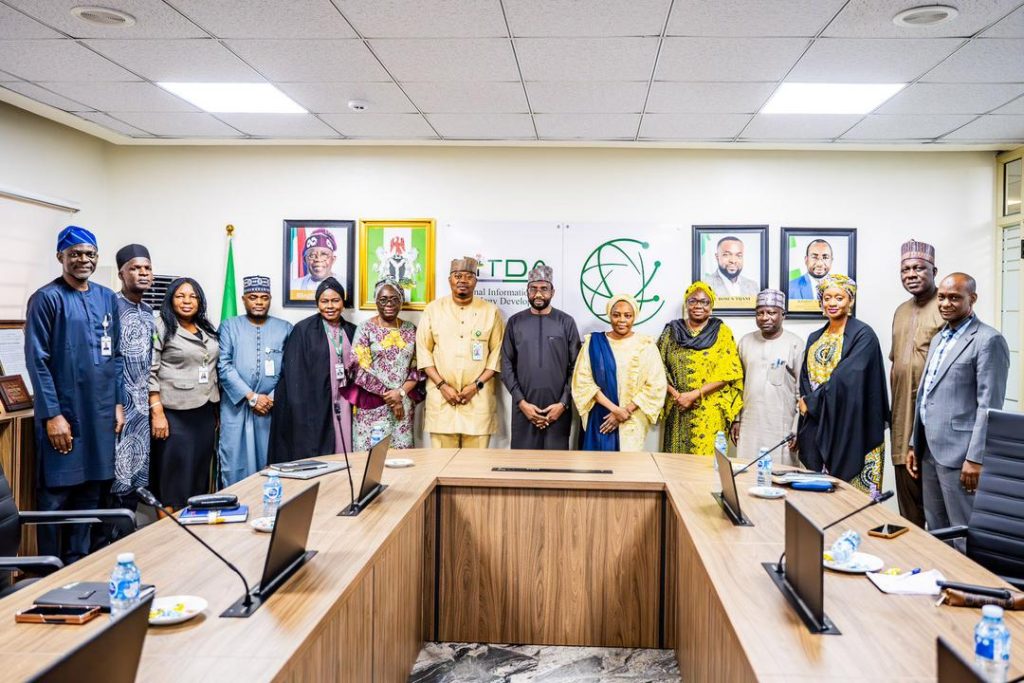
In a strategic move to modernise Nigeria’s public service, the National Information Technology Development Agency (NITDA) has concluded a specialised digital capacity-building programme for the Federal Character Commission (FCC). The initiative, which included the donation of 35 laptops, aims to transition the Commission from manual processes to a data-driven oversight model, ensuring more transparent and equitable representation across all government MDAs.

In alignment with President Bola Ahmed Tinubu’s key priority area of reforming the economy for sustained and inclusive growth, as well as improving governance for effective service delivery, it forms part of NITDA’s Digital Literacy for All (DL4All) programme aimed at strengthening digital capacity across public sector institutions and building a workforce equipped to drive Nigeria’s digital transformation agenda.

The training, held at the Commission’s headquarters, focused on enhancing participants’ competencies in critical areas such as data analysis and data management, skills considered essential to improving institutional performance and service delivery.

Representing the Director General of NITDA, Kashifu Inuwa CCIE, the Acting Director of Digital Literacy and Capacity Building, Dr Ahmed Yusuf Tambour, explained the purpose of the intervention.

“We are here at the Federal Character Commission to carry out a training for staff of the Commission in the area of digital literacy to enhance their proficiency,” he stated.

He noted that the training was deliberately tailored to align with the Commission’s statutory responsibilities.

“We are particularly focusing on data analysis and data management, because this really aligns with the core mandate of the Commission,” he said.

The Federal Character Commission, which is responsible for monitoring and ensuring equitable representation in public service across Ministries, Departments and Agencies (MDAs), relies heavily on accurate and well-managed data to carry out its oversight functions.

By strengthening staff capacity in data handling and digital tools, NITDA aims to enhance the Commission’s ability to manage nationwide datasets efficiently and transparently.

Describing the programme as impactful and well-received by participants, Inuwa said, “So it’s been a great journey. We’ve trained 35 participants here, and the training has been very well received.”

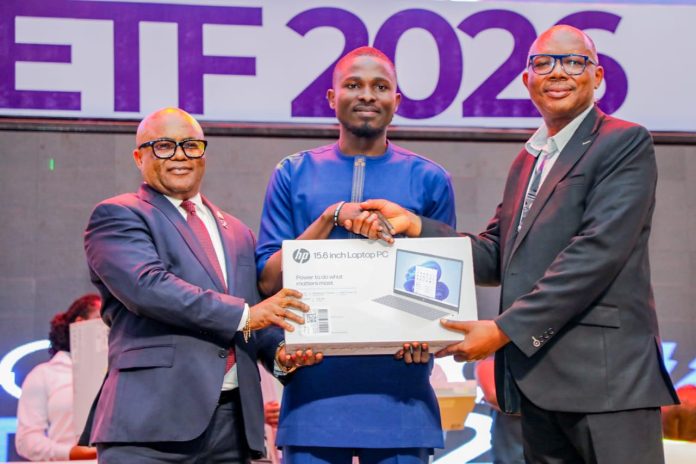
As part of the intervention, NITDA donated 35 laptops to the Commission to facilitate continuous learning and enable staff to seamlessly integrate digital tools into their daily operations.

The gesture is expected to reinforce the sustainability of the training outcomes and improve workflow efficiency within the Commission.

Expressing optimism about the long-term benefits of the initiative, Inuwa added, “We are hoping that this will help the Commission to manage the very, very important data that they collect across all MDAs.”

The intervention reflects NITDA’s sustained commitment to deepening digital inclusion within government institutions under the Renewed Hope Agenda. By equipping public servants with practical digital skills and the necessary tools, the Agency is advancing institutional efficiency, strengthening data-driven decision-making, and supporting the Federal Government’s vision of a modern public service capable of driving inclusive national development and economic reform.

NDPC, 60 DPAs Collaborate on Enforcing Privacy Rights in the Use of Al

0

PRESS RELEASE

The Nigeria Data Protection Commission (NDPC) has joined sixty (60) other Data Protection Authorities (DPAs) in endorsing the “Joint Statement on Al-Generated Imagery and the Protection of Privacy.”

The Joint Statement was coordinated by the International Enforcement Cooperation Working Group (IEWG) of the Global Privacy Assembly. This underscores the growing concerns regarding the privacy risks posed by Artificial Intelligence tools capable of generating realistic images and videos of identifiable individuals.

The Joint Statement highlights concerns over the misuse of Al-powered tools to create non-consensual imagery, defamatory content, and other harmful materials, particularly affecting children and vulnerable groups. It calls on organisations to implement strong safeguards, ensure transparency, provide effective content removal mechanisms, and comply fully with applicable data protection laws.

The current effort forms part of a continuum of steps being taken by Nigeria to ensure the responsible use of Al. It will be recalled that the Honourable Minister of Communications, Innovation and Digital Economy, Dr ‘Bosun Tijani, led the initiative for the development of the National Al Strategy. The NDPC also issued the General Application and Implementation Directive (GAID), which, amongst others, mandates privacy by design and privacy by default in the development and deployment of Al tools.

The National Commissioner/CEO of the NDPC, Dr Vincent Olatunji, has directed that the Nigeria Data Protection Act (NDP Act) Compliance Audit Returns (CAR) by data controllers and processors of major importance will serve as a yardstick for monitoring and evaluating responsible use of Al for data processing in Nigeria.

SIGNED
BABATUNDE BAMIGBOYE ESQ. CDPRP
HEAD, LEGAL, ENFORCEMENT & REGULATIONS

NADDC Moves to Implement Import Deletion Programme for Local Component Parts

0

The National Automotive Design and Development Council (NADDC), on 19th February 2026 at Lagos, convened a Stakeholders’ Sensitization meeting on the Implementation of the Import Deletion Programme for Motorcycle and Tricycle Component Parts in Nigeria.

The Director-General, Otunba Oluwemimo Joseph Osanipin, in his address emphasized that the recommendation of parts for deletion remains a core mandate of NADDC. “The Council is mandated to periodically review parts and components used in the manufacturing of motorcycles, tricycles, bicycles, and motor vehicles, and to recommend specific components for deletion where local production capacity exists or can be developed” he said.

Mr. Osanipin noted that the industry has reached a decisive moment where critical decisions must be taken regarding components to be recommended for deletion. According to him, the gathering was a direct outcome of the Council’s strategic policy direction aimed to strengthen local production capacity.

He further stressed that while the time has come to take firm decisions on parts deletion, such decisions must be backed by deliberate and practical action. “Before recommending deletion, the Council must ensure that identified components can be produced locally in sufficient quantity and quality. Therefore, the immediate priority is to stimulate and support domestic manufacturing of those components targeted for deletion”

He added that the National Automotive Industry Development Plan (NAIDP) clearly acknowledges the necessity of developing local components for the automotive industry. “This policy shift is driven by the need to increase local content development, deepen industrialization, and strengthen the automotive value chain. One of the strategic thrusts of the NAIDP is industrialization and value chain development, ensuring the growth of a sustainable automotive ecosystem” he emphasized.

The representative of the Bank of Industry (BOI), Dr. Ifeoma Uzokpala, stated that the Import Deletion Programme is not just about reducing imports, but about building Nigeria’s industrial capacity to be competitive, sustainable, and future-ready. She added that BOI stands fully ready to support this ambition.

In his remarks, the Executive Director, Motorcycle Manufacturers Association of Nigeria (MOMAN), Rev. Lambert Ekewuba stated that the mission is to prioritize local content development, promote value addition, and eliminate avoidable imports within Nigeria’s automotive sector. He emphasized that reducing dependency on imported components is essential to building a resilient and competitive domestic industry.

Also speaking,the Chairman of the Nigeria Automotive Manufacturers Association (NAMA), Mr. Bawo Omagbitse adviced that for the policy to be sensible and justified, stakeholders must create conditions that make local production more viable and competitive than importing parts. He stressed the need to address production challenges and create an enabling environment that supports manufacturers.

Similarly, the representative of the Director-General of the Manufacturers Association of Nigeria (MAN), Oluchi Odimuko reiterated that the engagement comes at a defining moment for Nigerian manufacturers within the automotive value chain, adding that the Import Deletion Programme has the potential to catalyze local content development, deepen industrial capabilities, and create sustainable jobs for Nigerians.

Together, through collaboration, strategic investment, and firm policy implementation, Nigeria’s automotive sector can reduce import dependence, stimulate industrial growth, and contribute significantly to national economic development.

#NADDC#madeinnigeriavehicles#NigeriaAutomotiveIndustry#componentpartsmanufacturers

FG Unveils Nigeria Industrial Policy 2025.

0

FG Unveils Nigeria Industrial Policy 2025.

The Vice President of the Federal Republic of Nigeria, His Excellency, Kashim Shettima Senator Kashim Shettima Mustapha, GCON, on behalf of President Bola Ahmed Tinubu, delivered the keynote address at the official launch of the Nigeria Industrial Policy (NIP) 2025, held on 17th February 2026 at the Bola Ahmed Tinubu International Conference Centre, Abuja. The policy marks a defining step in Nigeria’s transition toward a production-driven economy anchored on industrial expansion, value chain development and private sector-led growth.

In his keynote address, the Vice President emphasised the Federal Government’s commitment to fostering a stable and enabling environment for industrial development. He noted that the success of the policy would depend on sustained collaboration between government and industry stakeholders, highlighting the importance of strengthening local value chains, expanding manufacturing capacity and creating sustainable employment opportunities. He reaffirmed the administration’s resolve to ensure policy stability, transparency, measurable outcomes and accountability, while acknowledging the critical contributions of manufacturers and industrial players to national economic growth.

In his welcome address, the Honourable Minister of State for Industry, Senator John Owan Enoh-JOE Senator John Owan Enoh, described the Nigeria Industrial Policy 2025 as a historic and strategic milestone in Nigeria’s economic transformation. He noted that the policy represents the fulfilment of President Bola Ahmed Tinubu’s commitment to reposition the nation’s economy toward production-led growth. The Minister further explained that the policy was developed through extensive consultations with industry stakeholders, policymakers and technical experts was approved by the Federal Executive Council in December 2025. He emphasised that the policy is supported by a clearly defined implementation framework designed to drive measurable outcomes, strengthen industrial coordination, and enhance national competitiveness.

The Director General of the National Automotive Design and Development Council (NADDC), Olu Osanipin Joseph Otunba Oluwemimo Joseph Osanipin, represented the Council at the official launch, alongside heads of agencies and key stakeholders across Nigeria’s industrial ecosystem. His participation at the event underscores the strategic importance of the automotive sector within Nigeria’s broader industrialisation framework, particularly in advancing local vehicle manufacturing, developing automotive component value chains, creating skilled jobs and strengthening industrial capacity.

The Nigeria Industrial Policy 2025 provides a coordinated national framework to accelerate industrial growth, improve productivity and enhance Nigeria’s global competitiveness.

#NADDC#NigeriaAutomotiveIndustry#nigeriaindustrialization#madeinnigeria

NADDC Commissions Automotive Training Centre in Potiskum, Concludes Mechatronics Training on PMS/CNG Vehicles

0

The National Automotive Design and Development Council (NADDC) on 12th February 2026 commissioned its Automotive Training Centre in Potiskum, Yobe State, and concluded a five-day intensive mechatronics training programme on the repair and maintenance of Premium Motor Spirit (PMS) and Compressed Natural Gas (CNG) tricycles and motorcycles, in collaboration with Simba Group Nigeria.

The Honourable Minister of State for Industry, John Owan Enoh, described the facility as a symbol of hope and self-reliance, designed to equip young people with industry-relevant skills needed to compete in a rapidly evolving global automotive ecosystem. He emphasized the strategic importance of the automotive industry as a catalyst for industrialization and economic diversification, in line with the NAIDP’s targets of increased local vehicle production, higher local content, electric vehicle adoption, and the creation of up to one million jobs.

In his remarks, the NADDC Board Chairman His Eminence Emma Eneukwu reiterated that the initiative reflects NADDC’s pivotal role in creating an enabling environment for the automotive industry through strong collaboration among government, industry, and academia. He added that the NADDC Governing Board remains committed to maintaining global standards through continuous equipment upgrades, curriculum alignment with international best practices, and industry-driven training outcomes.

Speaking at the event, the Director-General of NADDC, Otunba Oluwemimo Joseph Osanipin, stated that the newly commissioned centre equipped with state-of-the-art facilities is part of NADDC’s nationwide network of 23 Automotive Training Centres established to promote skills development, youth employment, and the sustainable growth of Nigeria’s automotive industry.

He noted that the project aligns with the Nigerian Automotive Industry Development Plan (NAIDP) 2023 and supports the Federal Government’s drive for local manufacturing, job creation, and cleaner energy through CNG vehicle adoption under the Presidential CNG Initiative.

The training programme successfully equipped youths and auto-technicians drawn from across Yobe State with both practical and theoretical skills to service modern PMS- and CNG-powered vehicles, positioning the Potiskum centre as a critical hub for human capacity development in the North-East. NADDC acknowledged the support of the Federal Ministry of Industry, Trade and Investment, the Yobe State Government under the leadership of Mai Mala Buni, and other key stakeholders, while reaffirming its commitment to building a globally competitive and sustainable Nigerian automotive industry.

The commissioning of the Automotive Training Centre in Potiskum represents a major launchpad for youth empowerment, skills development, and the strengthening of Nigeria’s automotive sector, while advancing the nation’s broader industrialization and sustainable development goals.

NADDC Flags Off 2026 Argungu Motor Rally

0

On 11th February, 2026, the National Automotive Design and Development Council (NADDC) in collaboration with Kebbi State Government officially flagged off the Argungu Motor Rally 2026 at the Moshood Abiola National Stadium, Abuja.

Speaking at the event, the Director-General of NADDC, Otunba Oluwemimo Joseph Osanipin, expressed his honour at officiating the flag-off of the Auto Rally, which forms part of activities for the 61st Argungu International Fishing/ Cultural Festival. He commended the organisers for their vision and commitment in bringing the initiative to life.

According to him, the Motor Rally represents the convergence of four critical elements art, culture, technology, and innovation showcasing Nigeria’s rich heritage alongside advancements in the automotive sector.

He also expressed profound gratitude to indigenous vehicle assemblers—Lanre Shittu Motors, CIG Motors, KOJO Motors and Mikano Motors for providing the vehicles participating in the rally.

He further highlighted the Federal Government’s Nigeria First Policy, which encourages the patronage of Made-in-Nigeria products, noting that all vehicles on display and in the rally were assembled locally.

The route of the rally will traverse diverse terrains from Abuja through Kaduna to Kano; from Kano through Zamfara to Sokoto; onward to Birnin Kebbi; and finally to Argungu. This, he said, underscores the capacity and maturity of Nigeria’s automotive industry.

He concluded by reaffirming that the Federal Ministry of Industry, Trade and Investment (FMITI) remains committed to working with ministries, departments, and agencies that are willing to patronise and promote Made-in-Nigeria goods.

The event attracted several dignitaries and key industry stakeholders, including Minister of Budget and Economic Planning of Nigeria, Honourable Minister, Abubakar Atiku Bagudu, the representative of Flour Mills of Nigeria Plc, Hajiya Salamatu Hussaini; the Managing Director of OMAA Motors; and the Chief Executive Officer of CIG Motors.

NADDC Launches Service Charter

0

On 6th February 2026, the National Automotive Design and Development Council (NADDC) officially launched its Service Charter, marking a major step toward enhanced service excellence, transparency, and accountability.

The Charter reaffirms NADDC’s commitment to the Federal Government’s public service reform agenda and outlines the Council’s mandate, service standards, timelines, quality benchmarks, and feedback mechanisms for stakeholders, including manufacturers, investors, institutions, and the general public.

Aligned with SERVICOM principles and implemented under the supervision of the SERVICOM Office, the initiative reflects NADDC’s resolve to entrench a customer-focused, efficient, and performance-driven culture across the Council.

Speaking at the event, the Director-General Otunba Oluwemimo Joseph Osanipin commended the efforts of staff, the parent Ministry, and the SERVICOM Office, and reaffirmed NADDC’s mandate to drive the growth and sustainable development of Nigeria’s automotive industry through responsive service delivery and impactful programmes.

The Director-General of the Bureau of Public Service Reforms (BPSR), Dr. Dasuki Arabi, also congratulated NADDC, describing the Service Charter as a transformative document that strengthens fair service standards, performance benchmarks, and accountability mechanisms.

Other stakeholders in attendance included representatives of the Permanent Secretary, Federal Ministry of Industry, Trade and Investment (FMITI), and the National Coordinator of SERVICOM, Mrs. Helen Lawal.

Osanipin Calls for Revitalization of Nigeria’s Automotive Value Chain.

0

The Director-General of the National Automotive Design and Development Council (NADDC), Otunba Oluwemimo Joseph Osanipin, has called for renewed commitment to local manufacturing and industrial self-reliance at a Strategic Sensitization Workshop on “Revitalizing the Automotive Value Chain in Nigeria: Strategies for Growth in the Tyre and Battery Sectors” on 5th February, 2026.

The workshop aims to promote local production of tyres and batteries, reduce imports, and reinforce Nigeria’s automotive value chain. NADDC is prioritizing backward integration, local sourcing, and quality assurance under the National Automotive Industry Development Plan (NAIDP 2023).

Osanipin emphasized opportunities in New Energy Vehicle (NEV) battery management and highlighted the approval of the End-of-Life Vehicle (ELV) Regulations 2025, fostering a circular economy. He urged investors to leverage NADDC incentives for modernization, technology transfer, and growth.

Stakeholders emphasized local content requirements and rules of origin for market access. The Bank of Industry reaffirmed support for viable projects promoting local value addition.

Other key stakeholders present at the workshop included the Federal Road Safety Corps (FRSC), the Raw Materials Research and Development Council (RMRDC), the Standards Organization of Nigeria (SON), the National Automotive Manufacturers Association (NAMA), the Major Oil Marketers Association of Nigeria (MOMAN), the Manufacturers Association of Nigeria (MAN), among other relevant public and private sector institutions, underscoring the broad-based commitment to revitalizing Nigeria’s automotive value chain.

NIGERIA TO BECOME AFRICA’S FIRST ELECTRIC VEHICLE MANUFACTURING NATION

0

In a strategic move to position Nigeria as one of the leading automotive manufacturing nations in the world, the Federal Government through the office of the Hon. Minister of State for Industry, Federal Ministry of Industry, Trade and Investment (FMITI), on January 30, 2026 at Abuja, signed a memorandum of understanding (MOU) with South Korea’s Asia Economic Development Committee (AEDC) for establishment of an Electric Vehicle (EV) manufacturing plant and the development of charging infrastructures in Nigeria.

This MoU aligns with the federal government’s National Energy Transition Plan (ETP) and the National Automotive Industry Development Plan(NAIDP), policies of the government both aimed to build an ecosystem for EV infrastructure development, expansion as well as adoption.

The phase I and II of the project will focus on building complete EV Assembly Plant and establishment of facilities capable of full in-house production respectively. With a production capacity of 300,000 vehicles, the plan is also expected to create about10,000 jobs.

The gains of this significant initiative cannot be overemphasized, as the expansion of EV adoption will not only help to reduce the approximately $10 billion spent annually on refined fuel imports, but will also act as a catalyst for nationwide economic growth through the explosive expansion of related industries such as auto parts, charging infrastructure, and vehicle mentainance, thus positioning Nigeria as a leading technology- driven nation in Africa.

Building upon the legacy of AEDC, a non-governmental organisation that operates independently in close cooperation with leading policy makers and international institutions, the AEDC Chairman, Yoon Suk Hun expressed strong commitment “We will devote all of our capabilities to ensuring that Nigeria’s EV industry is built in the most economically viable manner and operated with maximum efficiency, while achieving global competitiveness. Drawing on Korea’s spirit and development experience, our goal is to elevate Nigeria’s automotive industry to world-class standards within 20 to 30 years- an achievement that took advanced economies 150 years and Korea 60 years to accomplish” he stated.

The Minister of State for Industry, FMITI, Senator John Owan Enoh, pledged to work in close coordination with AEDC to ensure the rapid completion of Africa’s first advanced, world- class EV manufacturing plant. He affirmed that the government will extend it’s full cooperation and mobilize all available resources to ensure that the project becomes a key engine of Nigeria’s industrial development.

Emphasizing the significance of the MoU, the Hon Minister said the project aligns strongly with President Tinubu’s push for “Nigeria First Policy” aimed to boost local production and industrial development, stating that the event represents the commitment of the Federal Government in building a diversified economy that is driven by local production.

The NADDC Director General, Otunba Oluwemimo Joseph Osanipin ably represented by the Head of Policy, Planning and Statistics, Mr. Nura Sidi revealed that the collaboration would focus on Technology Transfer, Investment Promotion, Human Capital Development as well as Research and Design.

The Council in line with it’s mandates, had earlier initiated the EV development policy which led to the introduction and adoption of various EV’s, some of which are assembled in the local auto Industry while others are imported into the country.

Through this green energy initiative, Nigeria aims to transform it’s economy into a high value- added manufacturing base powered by green energy. In accordance with the project plan, efforts will be made to develop the broader EV ecosystem, including the establishment of component manufacturing facilities, acquisition of related technologies, development of charging infrastructure, and battery production.

NADDC and Asia Economic Development Committee Forge Partnership on EV Technology Transfer and Automotive Industrialization

0

The National Automotive Design and Development Council (NADDC) has reaffirmed Nigeria’s commitment to becoming a leading automotive manufacturing hub in Africa. This follows a high-level strategic meeting with the Asia Economic Development Committee (AEDC) focused on electric vehicle (EV) technology transfer, local manufacturing, and capacity development which took place at the Council Headquarters in Abuja on 29th January, 2026.

The meeting brought together senior officials from the Federal Ministry of Industry, Trade and Investment, NADDC management, AEDC members, and key Nigerian automotive sector players.

NADDC Director-General Otunba Oluwemimo Joseph Osanipin welcomed the AEDC delegation, emphasizing Nigeria’s readiness to collaborate with international partners to accelerate automotive industry growth.

AEDC Chairman Mr. Yoon Suk-hun outlined the committee’s commitment to transferring EV technology to Nigeria, citing Korea’s industrial development model. He stressed Nigeria’s potential to develop national automobile brands with the right partnerships.

Discussions highlighted technology transfer, local manufacturing, and leveraging the African Continental Free Trade Area (AfCFTA) for exports. Presentations showcased Nigeria’s growing automotive capacity, including NEV Electric Motors and Lanre Shittu Motors’ local assembly operations.

NADDC presented the Nigeria Automotive Industrial Development Plan (NAIDP), focusing on investment promotion, market expansion, local component development, and capacity building. Both parties expressed optimism about the partnership, paving the way for large-scale EV manufacturing and sustainable growth.

In closing remarks, NADDC and AEDC representatives expressed optimism about the partnership, citing strong political will, NADDC’s leadership, and a shared vision for Nigeria’s automotive future. The meeting concluded with assurances on executing the proposed MoU, paving the way for large-scale EV manufacturing, skills development, and sustainable growth in Nigeria.