

TRAFFIC ADVISORY

0

The Federal Road Safety Corps wishes to inform the motoring public of a road traffic crash around the Kugbo–AYA–Nyanya–Mararaba axis involving a Dangote truck and a tipper which rammed into the truck from behind. Operatives from the Nyanya Unit Command, including the Zebra team and other officers and marshals, are currently on ground managing the situation and working to restore normal traffic flow along the corridor.

Motorists and other road users are advised to exercise patience, drive with caution, and strictly obey traffic instructions from FRSC personnel and other security agencies controlling traffic around the area. Commuters are also encouraged to consider alternative routes where possible to ease congestion while response and clearance operations are ongoing. Further updates will be communicated as more details become available.

INTEGRITY IN ACTION: FRSC ZARIA OPERATIVES RECOVER ₦3.7 MILLION FROM CRASH SCENE, HAND OVER CASH TO VICTIMS

0

In an inspiring and audacious demonstration of integrity, discipline, and professionalism, operatives of the Federal Road Safety Corps (FRSC) attached to the Zaria Unit Command have recovered and safely returned the sum of ₦3,727,500 in cash alongside other valuables worth about ₦500,000 from the scene of a fatal road crash, reaffirming the Corps’ enduring reputation for honesty and public trust. The tragic crash occurred on Sunday, 15 March 2026, along the Zaria–Funtua Highway near Zaria Academy, involving a Toyota Corolla and a Peugeot 806 carrying a total of nine passengers. The unfortunate incident claimed one life at the scene, while eight others sustained varying degrees of injuries. Upon receiving the distress call, FRSC rescue teams responded swiftly, providing immediate first aid before evacuating the injured victims to the Ahmadu Bello University Teaching Hospital, Shika, for urgent medical attention. During the rescue and post-crash clearance operation, the vigilant FRSC personnel discovered a large sum of money and other valuable items scattered across the crash site. Demonstrating exceptional discipline and moral courage, the officers carefully secured the ₦3,727,500 and safeguarded all recovered valuables, ensuring they were protected until they could be properly returned to their rightful owners. In a moving moment on Monday, 16 March 2026, the Zaria Unit Commander, Chief Route Commander Nasiru A. Falgore, formally handed over the recovered money to the victims in the presence of their relatives and witnesses. The gesture symbolised far more than the return of cash, it reflected the ethical foundation upon which the FRSC operates and its deep commitment to protecting both lives and property on Nigerian roads. Commending the officers for their exemplary conduct, the Corps Marshal, Federal Road Safety Corps, Shehu Mohammed described the act as a true reflection of the Corps’ institutional values of honesty, accountability, and service to humanity, noting that integrity remains the defining character of FRSC personnel across the country. He commended the Unit Commander as well as Zaria operatives for upholding the highest standards of discipline and transparency. The Corps Marshal further reiterated that the Corps under his leadership will continue to strengthen a culture of discipline, accountability, and professionalism, stressing that integrity must remain the guiding principle for all personnel in the execution of their responsibilities. Overwhelmed with relief and gratitude, the beneficiaries praised the Corps for its rare sincerity, noting that the officers not only saved lives through their swift rescue response but also safeguarded their hard-earned money at a moment of great vulnerability. They pledged to become ambassadors of road safety in their communities by promoting responsible driving and strict adherence to traffic regulations. This remarkable act stands as yet another proof of the Corps’ culture of integrity and professionalism, reinforcing public confidence in the Corps as a dependable institution committed not only to traffic enforcement but also to honour, transparency, and selfless service to the nation.

Signed:

Felicia Kalu mnipr

Corps Commander, Corps Public Education Officer,

Federal Road Safety Corps National Headquarters, Abuja

cpeo@frsc.gov.ng info@frsc.gov.ng

16 March, 2026.

TEACHERS KEY TO NIGERIA’S DIGITAL TRANSFORMATION — NITDA DG

0

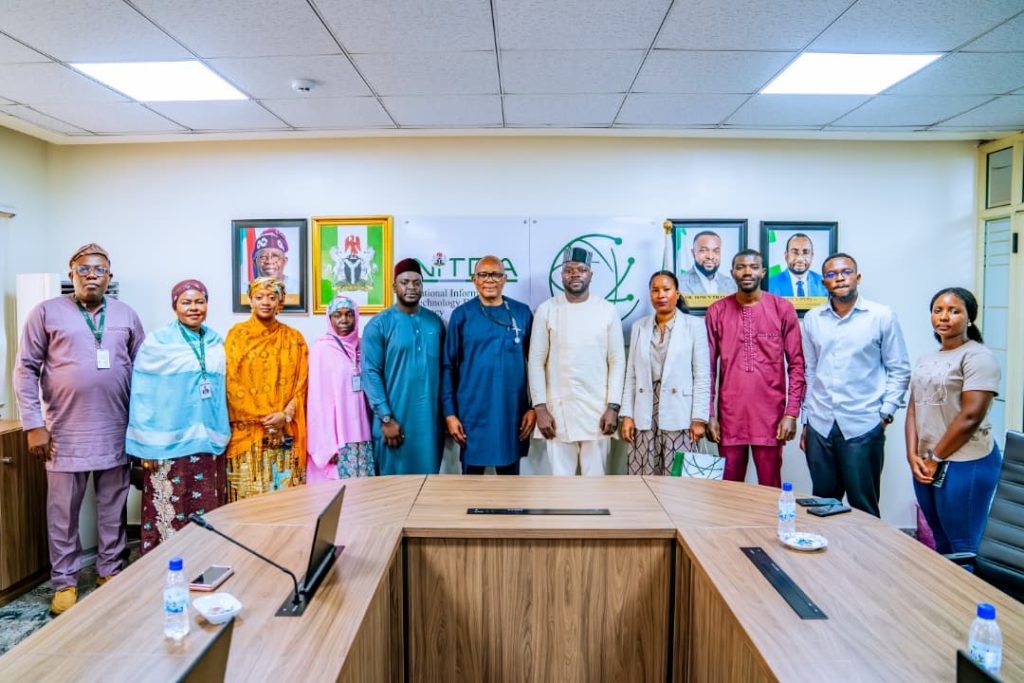
The Director-General of the National Information Technology Development Agency (NITDA), Kashifu Inuwa, has emphasised the critical role teachers play in driving Nigeria’s digital transformation, noting that classrooms will be central to shaping the country’s technology-driven future.

Inuwa made the remark during a stakeholders’ dialogue organised by the Development of Educational Action Network Initiative (DEAN) in Abuja.

Speaking on the theme “Nigeria’s Current Digital Landscape: Our Reality and Its Practical Connection to Education,” the NITDA DG, who was represented by the agency’s Director of Stakeholder Management and Partnerships, Dr. Aristotle Onumo, said the rapid expansion of the digital economy is reshaping the education sector and redefining the role of teachers in modern learning environments.

He explained that while digital technologies have created unprecedented access to information and opportunities for students, they also present challenges that require guidance and responsible use.

According to him, teachers must go beyond the traditional role of knowledge transmission to become mentors who help students navigate the digital world safely and responsibly.

“Teachers are no longer just instructors; they are now guides who help students identify credible information, avoid harmful online content, and develop responsible digital behaviour,” he said.

Inuwa added that educators must cultivate critical thinking among students while equipping them with the skills needed to thrive in an increasingly technology-driven society.

He reaffirmed NITDA’s commitment to advancing digital literacy nationwide through initiatives such as the Digital Literacy for All programme and partnerships with educational institutions aimed at strengthening teachers’ digital capacity.

The NITDA boss stressed that empowering teachers with digital skills is vital to preparing Nigerian students for the future workforce and ensuring the country remains competitive in the global digital economy.

Nigeria is currently pursuing an ambitious digital literacy agenda, targeting 70 per cent digital literacy by 2027 as part of broader efforts to build a knowledge-driven economy powered by innovation and technology.

Earlier in his remarks, the Executive Director of DEAN Initiative, Semiye Michael, said the workshop was designed to re-engineer teachers’ capacity in line with the realities of the digital economy.

“We need to strengthen teachers’ competence and provide them with access to the necessary digital infrastructure,” Michael said, adding that the engagement would help shape policies that support technology-driven learning in Nigerian schools.

He described the workshop as an “awesome experience,” noting that ideas generated during the session would be consolidated into a policy guide for the ministry and other relevant agencies.

Michael further noted that strengthening teachers’ digital capacity would be vital to enhancing Nigeria’s competitiveness in the global knowledge economy.

The event attracted key stakeholders from the Federal Ministry of Education, Nigerian Communications Satellite Limited (NIGCOMSAT), as well as private sector experts.

NDPC Warns Content Creators to Respect Citizens’ Privacy

0

PRESS RELEASE

The attention of the Nigeria Data Protection Commission (NDPC) has been drawn to the activities of individuals who take pictures and video footage of unsuspecting members of the general public and share same on social media platforms. These acts violate the rights of citizens to informational self-determination as guaranteed under S.37 of the 1999 Constitution of the Federal Republic of Nigeria and the Nigeria Data Protection Act, 2023 (NDP Act).
The particular case of a content creator who stands at roadsides in Lagos State to create a “reality show” of unsuspecting members of the general public raises concerns about abuse of rights in the name of entertainment. Processing the images of people, in this circumstance, requires consent unless the creator can justify her actions under other lawful bases of data processing. Preliminary investigation by the Commission reveals that this wilful invasion of citizens’ privacy serves neither a public nor a legitimate interest. In any event, the data subjects involved have no expectation that their images will be captured and shared with the whole world by an unknown individual.
In the wake of this development, the National Commissioner/CEO of the Commission, Dr Vincent Olatunji, has directed platform owners (such as TikTok, X, and Meta) to step up enforcement of community guidelines with a view to preventing harm to individuals through unlawful and unfair processing of personal data.
For the avoidance of doubt, where a platform owner fails or neglects to act timeously in addressing harms, the Commission will not hesitate to impose appropriate sanctions under the NDP Act. More importantly, individual content creators are accountable for their acts and omissions, and may be liable to criminal prosecution for violating the privacy rights of citizens and other data subjects in Nigeria.

Signed
Babatunde Bamigboye, Esq. CDPRP
Head of Legal, Enforcement and Regulations

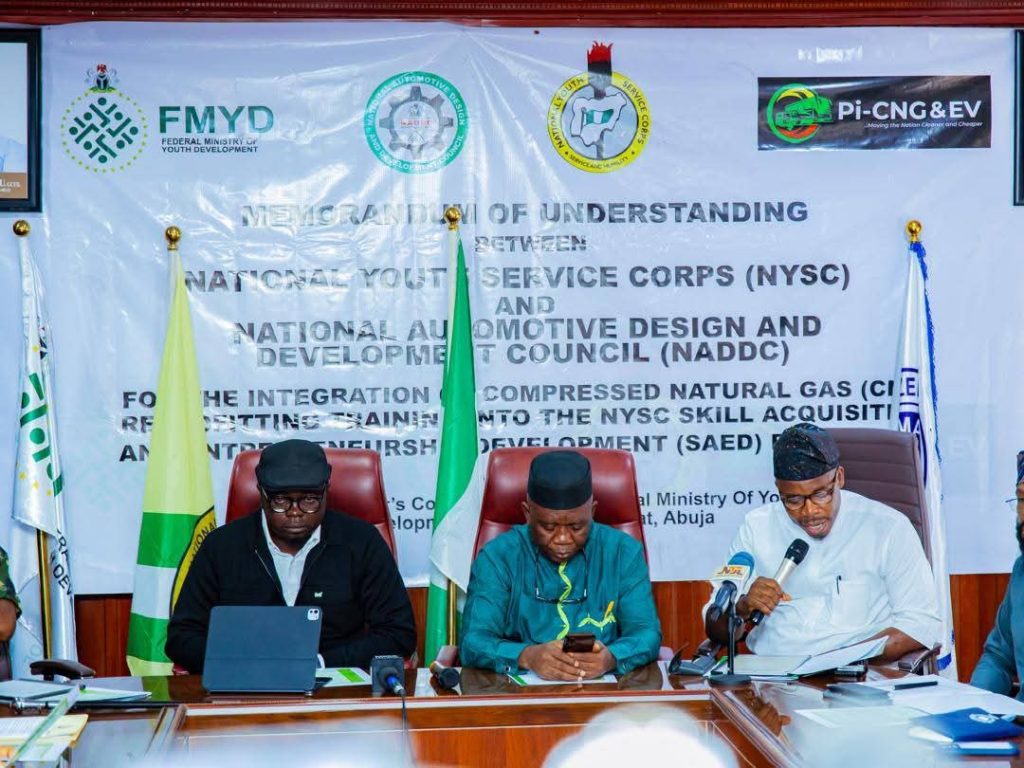
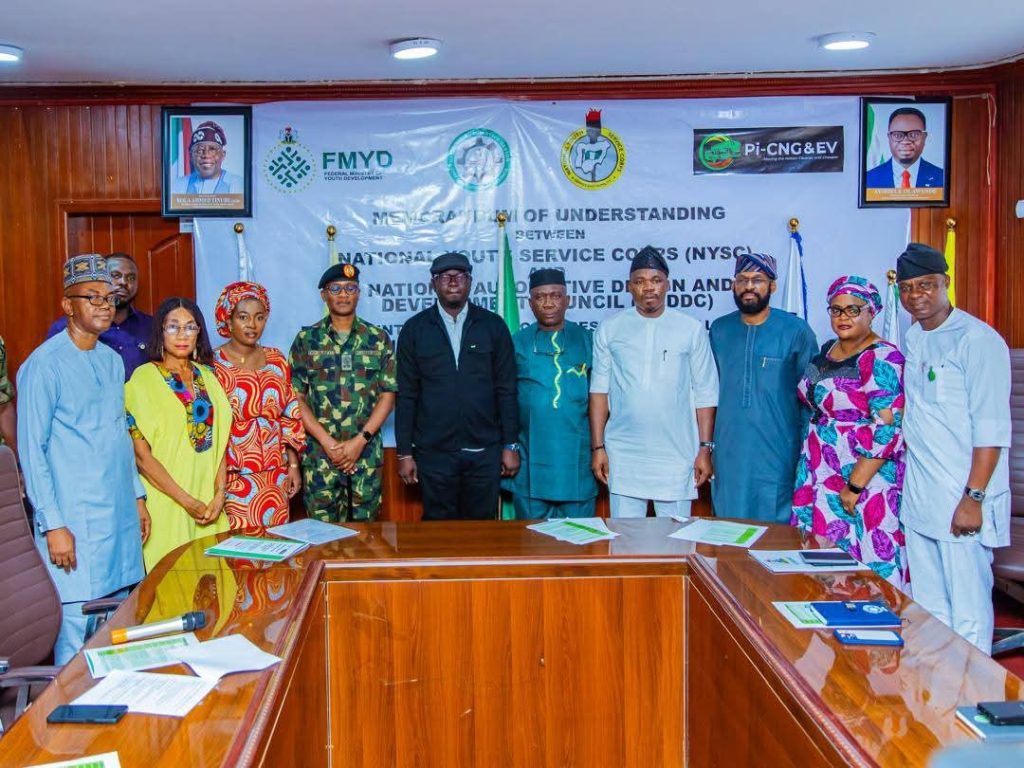
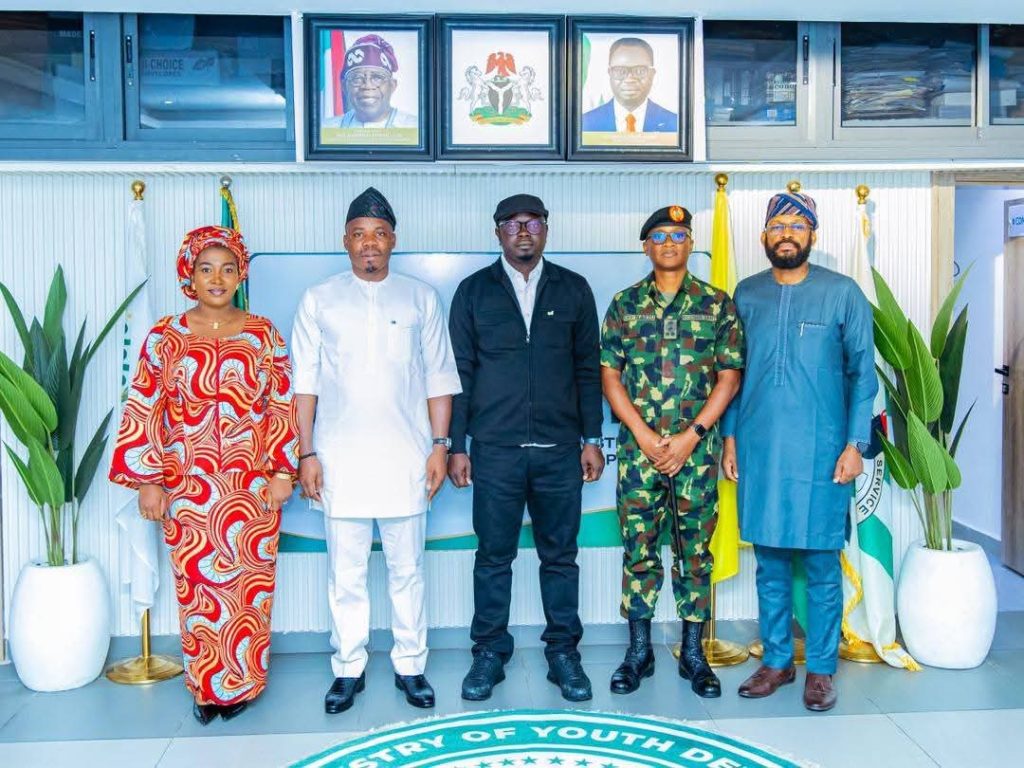
NADDC, NMDPRA Strengthen Partnership for Energy Transition.

0

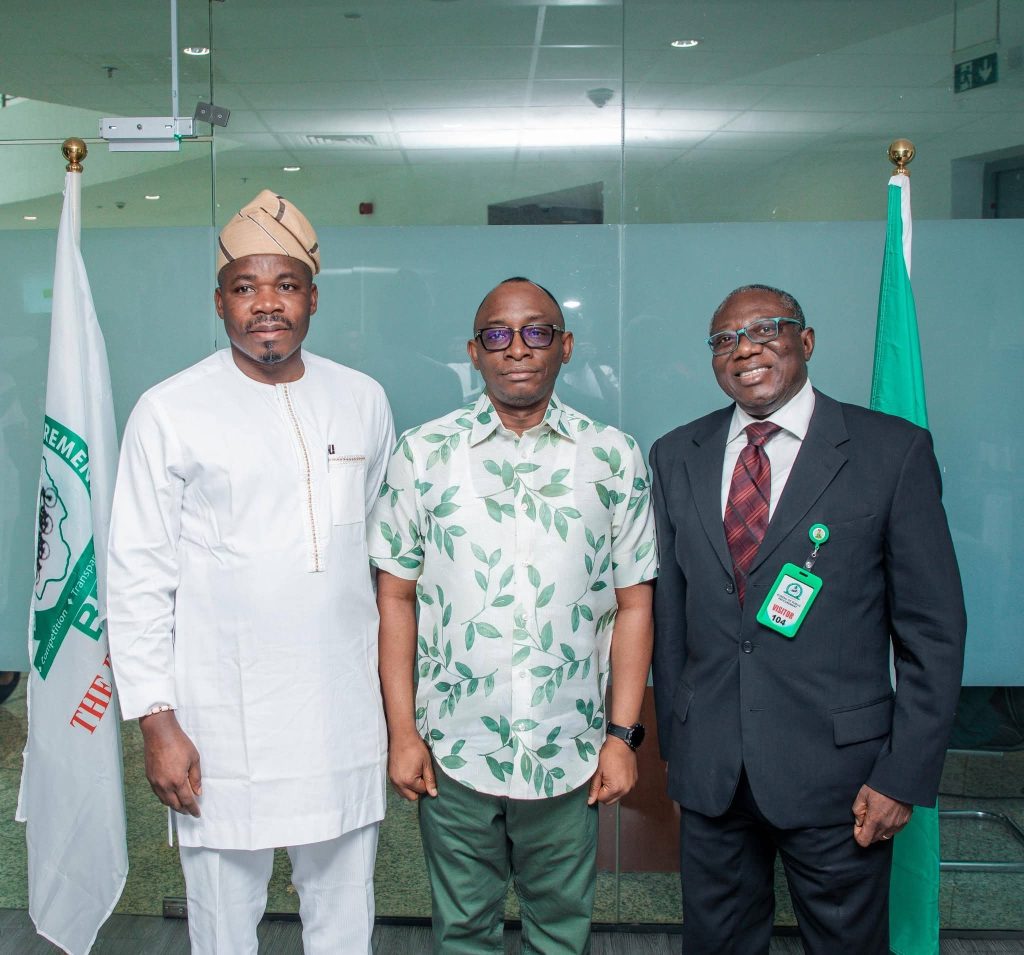
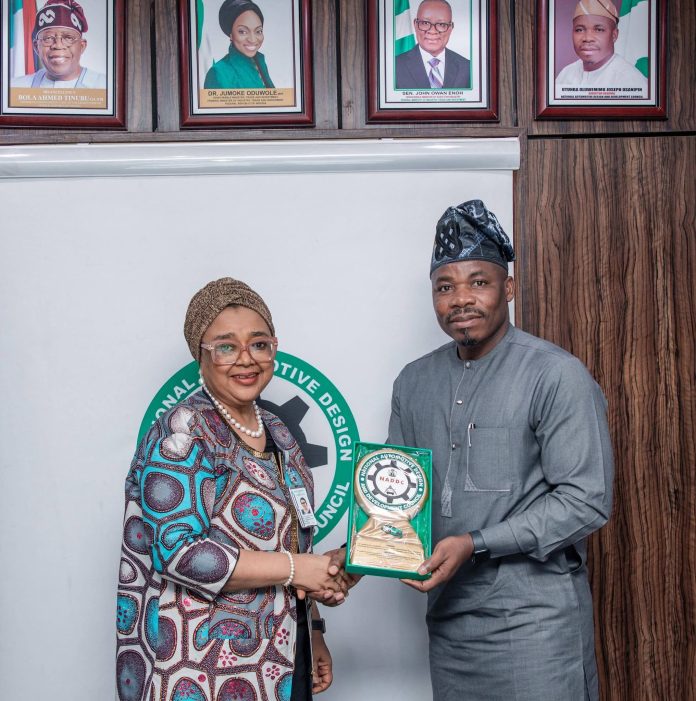
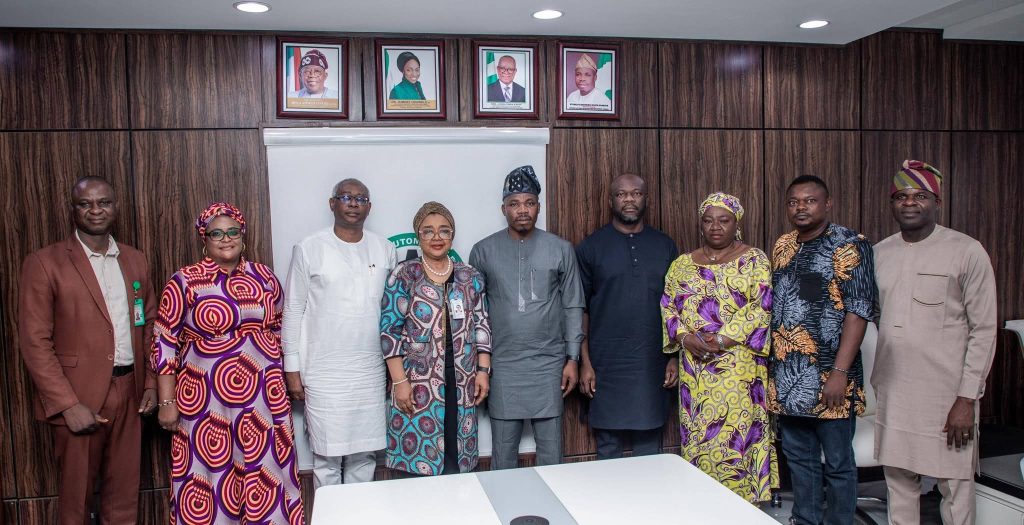
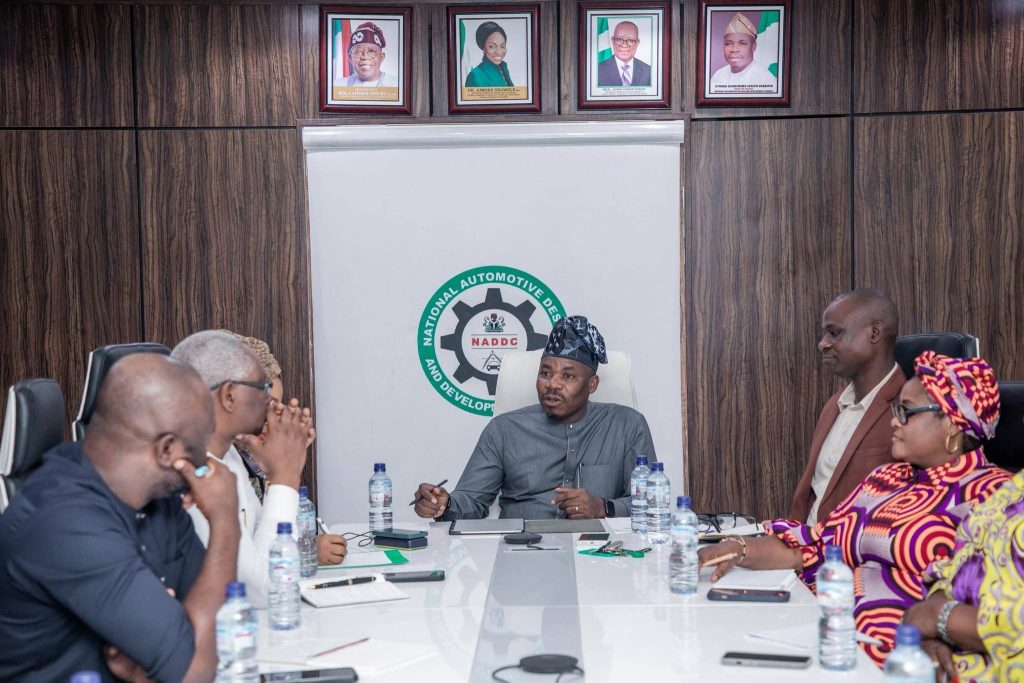
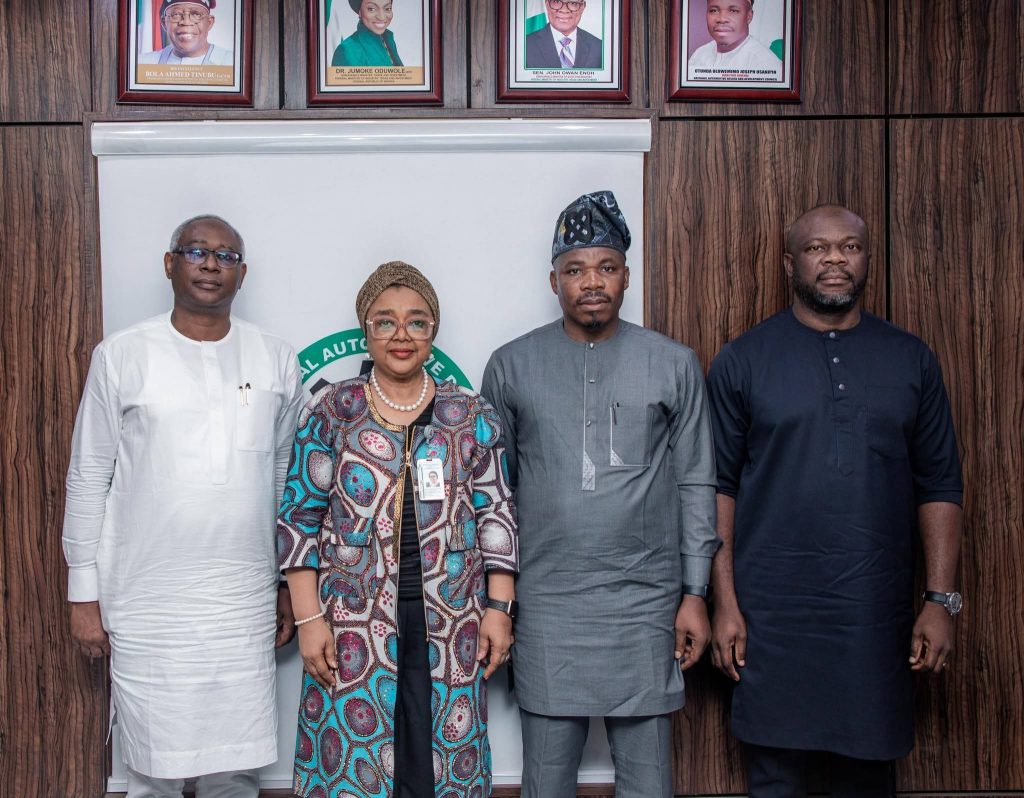
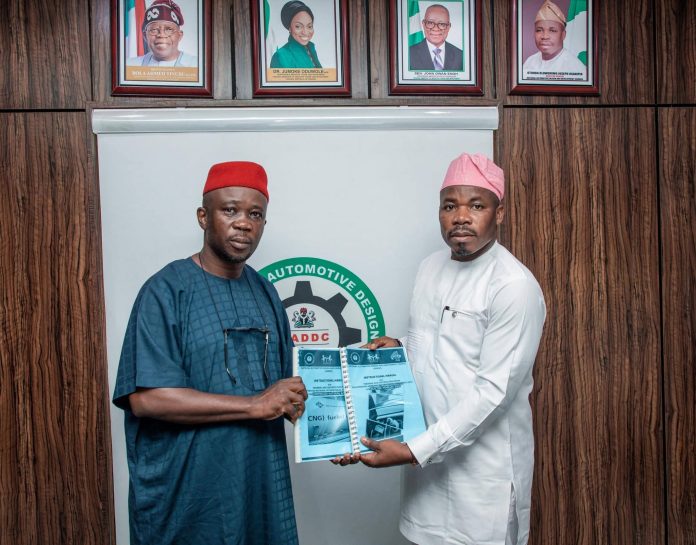
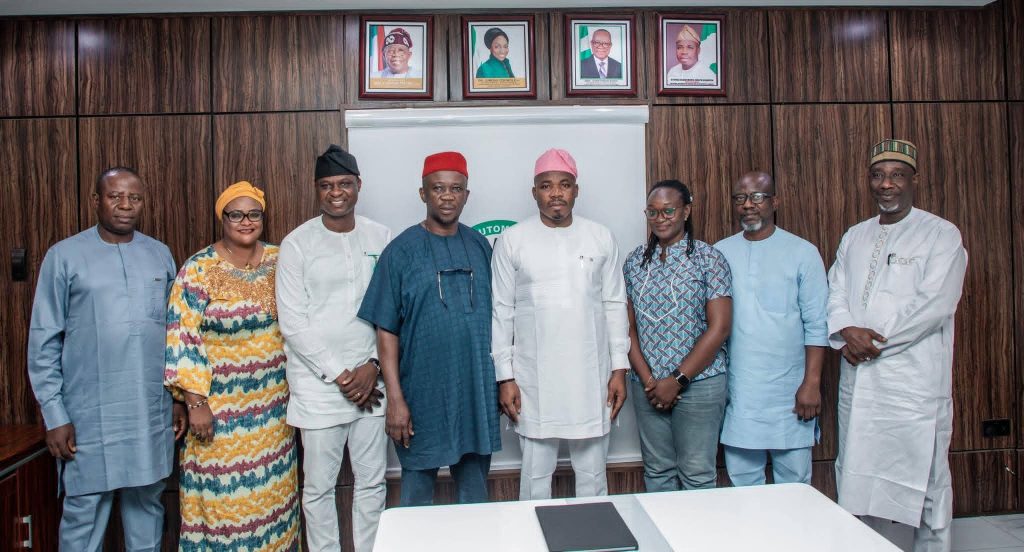
The National Automotive Design and Development Council (NADDC) paid a courtesy visit to the Nigerian Midstream and Downstream Petroleum Regulatory Authority (NMDPRA) headquarters in Abuja on March 10, 2026, as part of efforts to strengthen collaboration aimed at advancing Nigeria’s automotive sector and supporting the nation’s energy transition.

The NADDC delegation, led by the Director General, Otunba Oluwemimo Joseph Osanipin, was received by the Authority Chief Executive of NMDPRA, Engr. Saidu Mohammed. The meeting focused on exploring strategic areas of partnership that align with shared national goals of industrial development, sustainable mobility and energy transition.

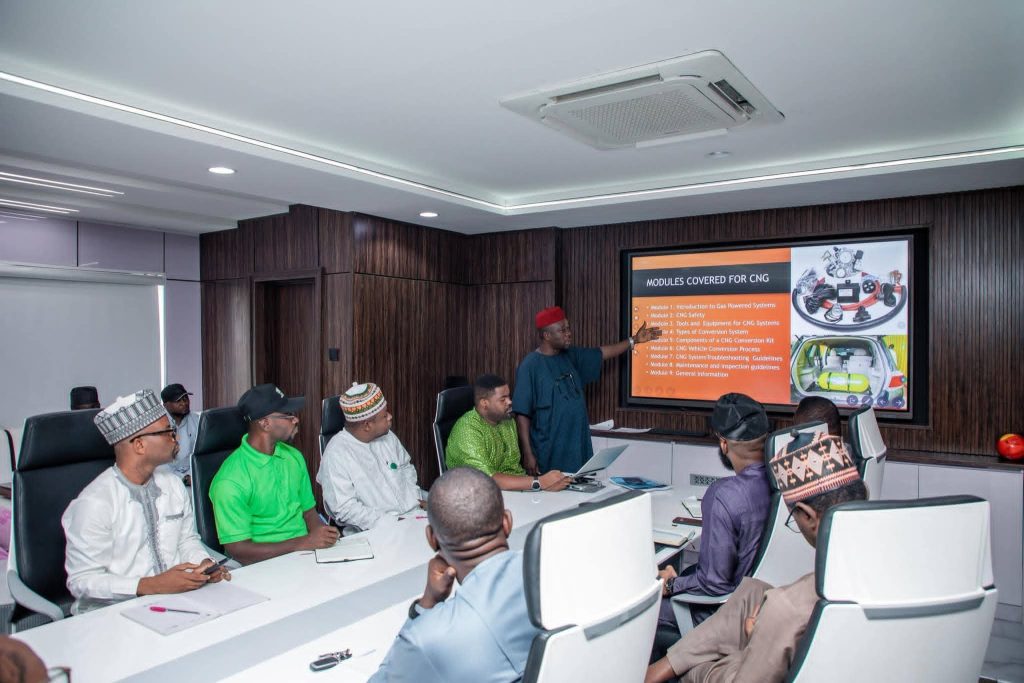
Osanipin emphasized the Council’s regulatory role in ensuring safety and quality standards in vehicle conversion from petrol (PMS) to Compressed Natural Gas (CNG). He noted that NADDC works closely with the Standards Organisation of Nigeria (SON) to certify conversion kits and accredit workshops with the required equipment and qualified engineers to ensure safe and reliable conversions.

The DG also stressed that the success of the CNG conversion initiative depends largely on the availability and accessibility of gas nationwide, noting that strengthened collaboration with NMDPRA will help ensure adequate gas supply to support the growing number of conversion centers across the country.

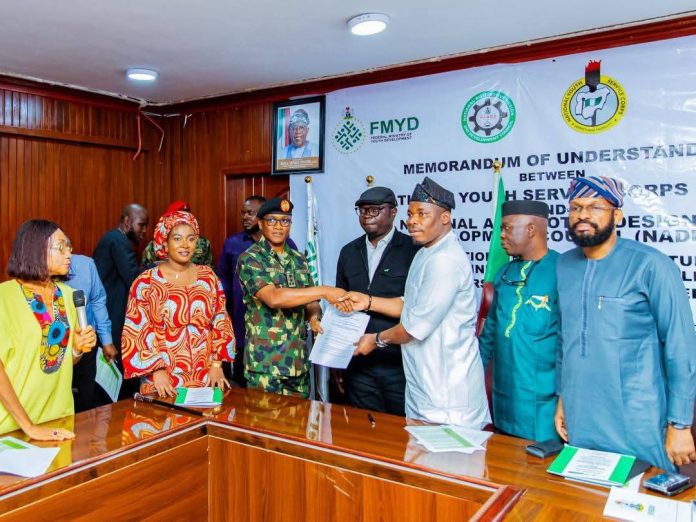
Welcoming the delegation, Engr. Saidu Mohammed highlighted the importance of continued collaboration between both institutions, reaffirming NMDPRA’s commitment to strengthening the existing relationship for the mutual benefit of both organizations and the broader Nigerian economy.

The visit concluded with both agencies reaffirming their commitment to enhancing collaboration that supports Nigeria’s automotive development.

NADDC #NigeriaAutomotive #NigeriaAutomotiveIndustry #IndustrialGrowth #NMDPRA

RENEWED HOPE ON THE HIGHWAYS: FRSC MANAGEMENT BEGINS NATIONWIDE INTEGRITY DRIVE UNDER CORPS MARSHAL SHEHU MOHAMMED

0

In line with the Renewed Hope Agenda of the President of the Federal Republic of Nigeria, Bola Ahmed Tinubu GCFR, which places strong emphasis on integrity, discipline, and a firm stand against corruption in public service; the Corps Marshal, Federal Road Safety Corps, Shehu Mohammed, has directed members of the Corps Management to embark on a nationwide engagement with officers and men across all formations of the Corps.

The initiative is aimed at sanitising the operational culture of the Corps and reinforcing professionalism, productivity, and ethical service delivery in the discharge of its life-saving mandate.

The strategic engagement, which took place across commands nationwide on 3 March 2026, forms a critical pillar of the Corps Marshal’s ongoing reform agenda designed to reposition the Corps as a model institution built on discipline, accountability, and public trust.
During the engagements, members of Management delivered a clear and uncompromising message to personnel: the era of mediocrity is over.

Officers and men were charged to recommit themselves to the highest standards of discipline, integrity, and operational excellence, while upholding a zero-tolerance stance on corruption in the discharge of their duties.

The Corps leadership emphasised that the renewed focus on professionalism is essential to strengthening institutional integrity and restoring public confidence in the Corps. Personnel were reminded that the mandate of the Federal Road Safety Corps goes beyond enforcement to protecting lives, promoting responsible road use, and serving the Nigerian public with honour, transparency, and accountability.

Under the leadership of Shehu Mohammed, the Corps is witnessing a renewed drive toward institutional renewal, one that prioritises professionalism, ethical conduct, and operational efficiency as the bedrock of service.

The nationwide engagement therefore represents a decisive step in reinforcing a culture where integrity is non-negotiable, excellence is expected, and every officer remains committed to the Corps’ core mission of saving lives on Nigerian roads.

The Management of the Corps reiterates its commitment to these reforms and assures the motoring public that the Corps will continue to strengthen its operations in order to deliver safer roads and improved service to the nation.

Signed:

Olusegun Ogungbemide mni FISPON anipr
Assistant Corps Marshal
Corps Public Education Officer
Federal Road Safety Corps
Headquarters, Abuja
cpeo@frsc.gov.ng
info@frsc.gov.ng

7 March, 2026.

NITDA, ABIA, PARTNER ON ENTERPRISE ARCHITECTURE REFORM

0

In alignment with President Bola Ahmed Tinubu’s priority areas of economic reform, digital innovation, and improved governance, the National Information Technology Development Agency (NITDA) has reiterated its commitment to supporting sub-national governments in building integrated, data-driven systems that enhance service delivery and drive sustainable growth.

This commitment was reinforced at the Future Enterprise & Data Architecture of Abia State workshop themed One Citizen, One Identity: Unlocking Data-Driven Governance.” The high-level engagement brought together policymakers, technocrats, and development partners to chart a pathway toward a unified digital public sector anchored on interoperability and citizen-centric governance.

The workshop, organised by the state’s Ministry of Budget and Planning and declared open by Governor Alex Otti, who was represented by the Deputy Governor, Engr Ikechukwu Emetu, focused on strengthening interoperability among Ministries, Departments, and Agencies (MDAs) to enhance revenue generation and improve service delivery across the state.

Speaking during a panel session titled Breaking Silos, Building One Government,” the Director General of NITDA, Kashifu Inuwa CCIE, who was represented by the Agency’s Director of Stakeholder Management and Partnership, Dr Aristotle Onumo, emphasised that collaboration remains the cornerstone of successful digital transformation.

“One thing that is very clear is partnership and collaboration. If you want to take advantage of collective intelligence, then partnership is the key. If you want to succeed in building a unified government system, collaboration is the way to go,” he stated.

He stressed that digital transformation is not merely about deploying technology but about transforming people and culture. According to him, resistance to change and entrenched institutional silos can undermine even the most sophisticated technological frameworks if mindset shifts are not prioritised.

“Digital transformation is as much about people as it is about process and technology. If culture resists change, it can undermine strategy at every level. We must move from control to collaboration, and from isolation to integration,” he added.

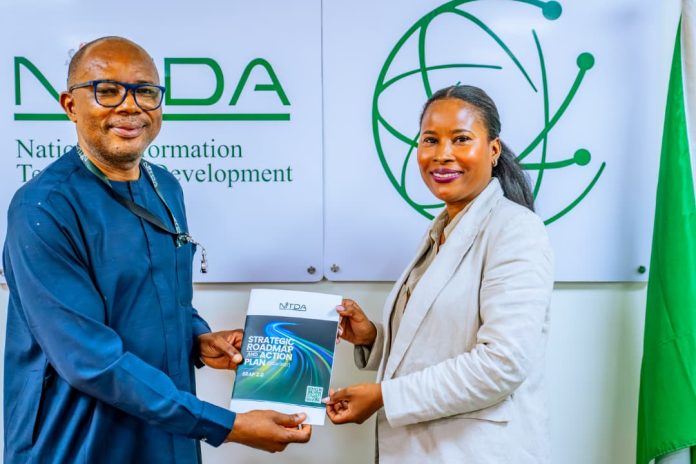
Highlighting NITDA’s strategic direction, the DG noted that the Agency’s action plan prioritises digital literacy as a foundational pillar for national development. He disclosed that NITDA is targeting 70 per cent digital literacy nationwide through structured interventions, including training 30 million Nigerians across formal and informal sectors using digital learning platforms deployed through community and institutional partnerships.

He further revealed that digital education is being integrated into school curricula at primary, secondary, and tertiary levels, while civil servants across the federal public service are undergoing digital capacity development programmes to enhance institutional efficiency and readiness for interoperable governance systems.

On interoperability, Inuwa described it as “not optional but a necessity” for achieving data integrity, efficiency, and innovation in governance. He explained that NITDA is developing a national interoperability framework and advancing Enterprise Architecture (EA) initiatives across government institutions to ensure seamless data exchange.

“When we talk about interoperability, we mean that data generated in one agency should be accessible and usable by another in a consistent and secure format, without contradiction or confusion. That is how you build one government, not multiple disconnected systems,” he explained.

He added that a robust interoperability framework would not only improve internal government efficiency but also create a platform for innovation, enabling startups and young innovators to build solutions on structured public datasets.

While commending the state’s leadership for its vision and commission, he said, “If we achieve even 80 per cent of what has been presented here, Abia will not only lead among states, but it will also become a national reference point for digital innovation.”

The workshop concluded with a renewed call for stronger federal–state collaboration, policy alignment, and sustained investment in digital capacity to ensure that the vision of “One Citizen, One Identity” translates into tangible socio-economic impact.

NITDA DG Reaffirms FG Commitment to Responsible and Inclusive AI

0

The Federal Government of Nigeria has reaffirmed its commitment to building a responsible, inclusive, and sovereign artificial intelligence ecosystem to enable Nigeria to transition from being a passive consumer of AI technologies to an architect and builder of indigenous AI systems.

This was said by the Director General of the National Information Technology Development Agency (NITDA), Kashifu Inuwa Abdullahi CCIE, while delivering a virtual address at the InnovateAI Conference held in Lagos.

The conference brought together policymakers, technology leaders, innovators, and stakeholders to discuss the future of artificial intelligence and its role in driving Nigeria’s digital economy and national development agenda.

Inuwa outlined Nigeria’s ambition to transition from being a consumer of artificial intelligence technologies to becoming a builder and owner of AI systems that reflect national values and priorities, in line with the National AI Strategy.

“Our goal is not just to use AI, but to architect and build our own AI systems in Nigeria,” he said, stressing that the country must take ownership of its AI future.

He noted that Nigeria’s approach to artificial intelligence extends beyond innovation to include governance, infrastructure, data sovereignty, and policy evolution.

According to him, “Responsible AI is never a finished job; it is an iterative journey. Our policies must evolve as the technology evolves, and we must avoid frozen laws by adopting living policies that adapt over time.”

He cited the implementation of the Digital Economy and E-Governance Bill as a key mechanism for generating insights that will help refine AI regulations and governance frameworks.

Inuwa also highlighted the challenge of data representation in global AI systems, noting that most models are trained on non-African datasets, which often results in bias against local dialects, cultures, and demographics.

“If a model shows bias against a local dialect or demographic, we cannot just patch it. We must reinvest in infrastructure to retrain it with inclusive and representative local datasets,” he stated.

He added that building national AI infrastructure is critical to achieving data sovereignty and ensuring that Nigeria is not merely an end user of foreign AI systems.

He further called for strategic partnerships with global technology companies and hyperscalers to build AI infrastructure in Nigeria while aligning with local values and national priorities.

“The world today is a global village. We need to work with global players, but they must understand our local nuances and help us build the infrastructure to retrain and develop AI models that reflect our context,” he said.

The NITDA Director General explained that adopting a comprehensive AI lifecycle approach, from responsible data collection and governance to deployment and continuous feedback, will enable Nigeria to move from reacting to AI developments to proactively designing indigenous AI systems.

“Without understanding how AI models are trained, how decisions are made, and how models are retrained, it will be difficult to build a responsible and trustworthy AI system,” he warned.

He reaffirmed that the Federal Government is intentional about promoting responsible AI and is working closely with the technology ecosystem to co-design national AI guardrails. He described platforms such as the InnovateAI Conference and other national AI dialogues as critical to shaping Nigeria’s AI future.

FROM BUREAUCRACY TO DIGITAL EXCELLENCE: NITDA DG CHARGES CROSS RIVER CIVIL SERVANTS ON DIGITAL TRANSFORMATION

0

The Director General of the National Information Technology Development Agency (NITDA), Kashifu Inuwa CCIE, has called for a bold transformation of Nigeria’s public service from traditional bureaucracy to digital excellence, as he participated in the official flag-off of the Civil Service Technology Empowerment for Capacity and High Performance (CIVTECH) Programme in Cross River State.

The programme, hosted by the Cross River State Government and organised by the Cross River State Microfinance and Enterprise Development Agency (CRS MEDA), is designed to equip 2,000 civil servants with critical digital skills required to drive efficient and technology-enabled service delivery.

In his keynote address titled “From Bureaucracy to Digital Excellence: Leveraging Technology for a High-Performing Public Service,” the NITDA DG who was represented by the Director of the Stakeholders Management and Partnership department, Dr Aristotle Onumo, emphasised that the future of governance depends on the ability of public institutions to embrace digital transformation.

“For decades, the public service has been the engine room of national development but in an era defined by speed, data, and innovation, traditional bureaucratic processes are no longer sufficient to meet the expectations of citizens and businesses,” he stated.

He noted that citizens today expect government services to reflect the efficiency and convenience they experience in digital banking, e-commerce, and mobile platforms.

Highlighting the economic imperative of digitalisation, the DG pointed out that Nigeria’s ICT sector contributed nearly 20 percent to the nation’s real GDP in 2024, underscoring the growing role of technology as a driver of economic growth and competitiveness.

While noting that digital transformation is no longer just a technology agenda, he said, “It is an economic agenda, it is a governance agenda, and it is a national competitiveness agenda.”

According to him, the cost of maintaining outdated bureaucratic systems includes delayed decision-making, inefficiencies, limited transparency, and declining public trust. However, he emphasised that digital excellence provides a pathway to faster service delivery, improved accountability, increased productivity, and enhanced citizen satisfaction.

“This is the shift from paperwork to performance, from process-driven governance to outcome-driven governance,” he added.

Inuwa further emphasised that while infrastructure and systems are important, people remain central to institutional transformation.

“Technology alone does not transform institutions. People do, and digital excellence requires public servants who are digitally skilled, innovation-driven, solution-oriented, performance-focused, and citizen-centric,” he asserted.

Assuring participants that technology is not designed to replace public servants but to empower them, he said, “Technology frees you from repetitive administrative tasks so you can focus on strategic thinking, policy innovation, and national development.”

Outlining NITDA’s strategic priorities, he referenced ongoing efforts to promote digital literacy and skills development, strengthen digital public infrastructure, automate government processes, enhance cybersecurity and data protection, and encourage the adoption of emerging technologies such as Artificial Intelligence across public institutions.

He commended Cross River State for embracing reform and positioning itself at the forefront of sub-national digital transformation, noting that initiatives like CIVTECH align with the Federal Government’s broader vision of building an efficient, transparent, and citizen-centric public service.

“The future of governance is digital. Together, we can transform governance. Together, we can transform Nigeria. And together, we can build a public service worthy of the digital age,” he concluded.

Declaring the flag-ff open, the state’s Head of Service, Mr Orok Okon, reaffirmed the government’s unwavering commitment to strengthening the capacity of its workforce. He emphasised that, in an era defined by rapid technological advancement, public institutions must equip their personnel with the skills and competencies necessary to deliver efficient, technology-enabled services.

According to him, investing in human capital is essential not only for improving internal administrative processes but also for ensuring that citizens receive timely, transparent and high-quality service across all sectors.

Earlier in his welcome address, the Director General of CRS MEDA, Mr Great Ogban, expressed appreciation to the Governor and the Head of Service of the state for their consistent commitment to technology-driven workforce development.

He encouraged all shortlisted trainees to show full dedication, emphasising that their participation aligns with the state’s goal of transitioning toward a fully paperless civil service.

He expressed strong optimism about the state’s growing partnership with NITDA, noting that such collaboration will play a pivotal role in accelerating the digital transformation of Cross River State.

According to him, the joint efforts between the state government and NITDA will not only enhance the quality of digital training provided to civil servants, but also to help fast-track the transition toward a more efficient and technology-driven civil service.

Tech for the Home Front: NITDA Partners HORSA to Bridge Digital Gap for Lawmakers’ Spouses

0

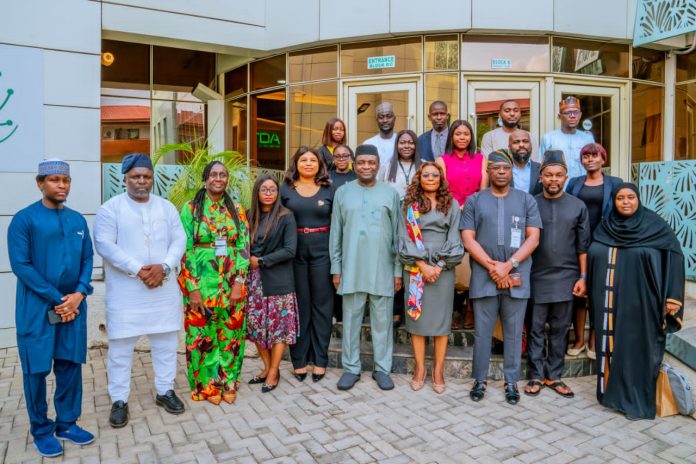
In a strategic move to broaden Nigeria’s digital frontier, the National Information Technology Development Agency (NITDA), in partnership with the House of Representatives Spouses Association (HORSA), organised a specialised two‑day digital literacy and capacity‑building workshop for the spouses of members of the House of Representatives.

The initiative, themed “Empowering Women for a Digital Future: Leadership, Wellbeing, and Opportunity,” is designed to equip spouses of lawmakers with the tools needed to navigate the modern digital economy and the unique demands of public life.

Moving beyond basic computer literacy, the workshop offers a comprehensive suite of skills, including financial and digital literacy—focused on using digital tools for business growth and personal finance management; cybersecurity and digital wellbeing—promoting online safety, data protection, and mental health resilience; and economic empowerment—unlocking opportunities in remote work, Business Process Outsourcing (BPO), and digital entrepreneurship.

Declaring the workshop open on behalf of the Speaker of the House of Representatives, Rt. Hon. Tajudeen Abbas, PhD, the Deputy Speaker, Rt. Hon. Benjamin Okezie Kalu, said the workshop underscores the crucial role spouses play in supporting public office holders. He described spouses as trusted advisers whose understanding of legislative responsibilities helps lawmakers perform more effectively.

He noted that the demanding nature of legislative work often places strain on family life, adding that empowering spouses with digital and leadership skills would strengthen their capacity to provide informed support and constructive feedback to their partners in public service. He urged participants to take full advantage of the training, stressing that continuous learning is essential in an increasingly digital world.

Kalu further observed that many spouses already lead humanitarian and development initiatives in their communities, and that the skills gained from the programme would enhance communication, strategic planning, and resource mobilisation, thereby deepening their contribution to community development and national growth.

In his welcome address, the NITDA Director‑General, Kashifu Inuwa, said the initiative aligns with the Federal Government’s drive to build a sustainable digital economy by ensuring that no group is excluded from digital opportunities due to skills gaps. He noted that the Renewed Hope Agenda of Bola Ahmed Tinubu places digitalisation and innovation at the heart of economic diversification and inclusive growth.

He added that NITDA is implementing a national digital literacy framework aimed at achieving 95 per cent digital literacy by 2030, driven through three key focus areas: integrating digital skills into formal education, upskilling public servants, and expanding community‑level digital inclusion.

Inuwa described women as critical drivers of Nigeria’s digital transformation, noting that empowering spouses of lawmakers with digital skills would strengthen leadership at home and positively influence legislative processes at the National Assembly. He explained that NITDA is working with the Ministry of Education and global technology partners to train teachers nationwide, while over 54,000 public servants are currently enrolled in the Agency’s digital literacy programmes.

He also stated that through community champions deployed across the 36 states and the Federal Capital Territory, millions of Nigerians are being reached annually with basic digital skills training, stressing that national leaders must not be left behind in Nigeria’s digital transition. According to him, digitally literate spouses can play a vital role in encouraging technology‑driven governance, including ongoing efforts to digitise legislative processes.

In her goodwill message, the Leader of HORSA and wife of the Speaker, House of Representatives, Hajiya Fatima Tajudeen Abbas, described the workshop as a historic milestone and the first comprehensive capacity‑building programme organised by the 10th Assembly for spouses of lawmakers. She noted that public life in a digital age now extends beyond physical spaces into online platforms, making digital and financial literacy, cyber protection, and digital wellbeing essential skills for spouses of national leaders.

Hajiya Abbas emphasised that the sessions on mental health, emotional resilience, entrepreneurship, and leadership were timely, as spouses of public office holders often shoulder invisible emotional responsibilities. According to her, empowering women economically strengthens families and communities, adding that the knowledge gained from the workshop would not only support lawmakers behind the scenes but also enable women to contribute more meaningfully to national development in the digital economy.

The event also featured goodwill messages and contributions from senior government officials, including the Chief of Staff to the President, Hon. Femi Gbajabiamila; the Honourable Minister of Women Affairs and Social Development, Hon. Imaan Sulaiman Ibrahim; the Chairperson of the Nigeria Governors’ Spouses’ Forum, Prof. (Mrs.) Olufolake Abdulrazaq; the Chairman of the House Committee on ICT, Hon. Stanley Olajide; the Chairperson of the House Committee on Women Affairs and Social Development, Hon. Kafilat Ogbara; and the Managing Director of the South-South Development Commission, Usoro Offiong Akpabio.