Nigeria Pushes for Stronger Digital Sovereignty, National Software Infrastructure

0

Nigeria is intensifying efforts to strengthen its national software infrastructure and digital governance framework as part of a broader push to secure data sovereignty and build local technological capacity.

The initiative is focused on developing high-standard regulatory policies that will enhance digital integration while ensuring that critical national systems remain under domestic control.

During an engagement with the management of Ericsson at the GITEX Africa in Morocco, Inuwa explained that Nigeria’s digital strategy is focused on safeguarding national interests and securing long-term technological independence, rather than aligning

with global rivalries.


“We are building our national software infrastructure. We are coming up with very high-standard regulatory policies that will help us build capacity for digital software integration,” he said. “For me, it is not about politics. It is not about geo-tech politics. It is not about banning China. It is about how we, as a country, have control and are able to shape our digital future.”

He stressed that Nigeria is not pursuing an exclusionary approach toward global technology partners, but rather seeking balanced collaboration that ensures value creation within the country.

“We are not saying we are banning hyperscalers from coming. We want them to come, work with local partners, create value in Africa, and let us capture that value here,” he noted.

The NITDA DG drew parallels with global regulatory trends, pointing to frameworks such as the European Union’s Digital Markets Act, Digital Services Act, and Data Governance Act as examples of regions asserting digital sovereignty through structured policy environments.

He added that Nigeria’s approach aligns with the global shift toward treating digital infrastructure as critical national infrastructure, a move already supported by existing executive orders in the country.
“We already have an executive order that makes all digital infrastructure a national critical infrastructure,” he explained. “But building a fully sovereign digital system takes time. Even the EU did not achieve it overnight.”

A key priority of the policy direction, he said, is ensuring that data generated within Nigeria remains protected and that intellectual capacity and digital intelligence are developed locally rather than exported.
“We want to keep the intelligence in our country. We want to be part of creating value, not just receiving technology,” he said.

He also highlighted concerns about historical imbalances in global industrial development, noting that Africa has often contributed raw materials, labour, and data without fully benefiting from value-added industries.

“We don’t want a repeat of previous industrial revolutions where Africa was left behind. This time, it is about value creation and building our own digital offerings,” he added.

Discussions are also ongoing around data ownership frameworks, particularly in emerging technologies and industrial systems, where questions of who controls machine-generated data remain central to future regulation.

The government is expected to unveil clearer policy direction in the coming months as part of its broader national digital transformation agenda.

On the industry side, Ericsson reaffirmed its long standing involvement in Nigeria’s telecom sector. The company’s Director for Government and Policy Advocacy in Africa, Amos Haddebe, said Ericsson has operated in Nigeria for over five decades, supporting the country’s telecommunications evolution from 2G to 5G.

He noted that Ericsson continues to collaborate closely with operators such as MTN Group, as part of its commitment to advancing Nigeria’s digital transformation agenda.

Haddebe outlined four key pillars of a Memorandum of Understanding signed with the Nigerian government in October 2024, including the establishment of a joint innovation hub, a national hackathon, digital skills development programmes, and exchange of best practices.

He further revealed that the ongoing national hackathon, launched under the supervision of the Vice President, is already underway and will be integrated with broader innovation initiatives.

On broader industry concerns, Haddebe warned of rising competition in Africa’s telecoms space and urged governments to treat ICT infrastructure as a matter of national security. He advocated for a diversified vendor ecosystem to ensure resilience and safeguard critical systems.

The discussions highlight Nigeria’s increasing focus on digital sovereignty, strategic partnerships, and the development of a secure and competitive digital economy.

NADDC Moves to Establish Automotive Sector Awarding Body for Skills Certification

0

The National Automotive Design and Development Council (NADDC), on April 13, 2026, took a major step to strengthen skills development and certification in Nigeria’s automotive industry through a strategic meeting with the Sector Skills Council (SSC) and the National Board for Technical Education (NBTE) at its headquarters in Abuja.

The meeting focused on plans to establish a specialized automotive awarding body to encourage competency-based certification and qualifications, tailored to the sector’s needs.

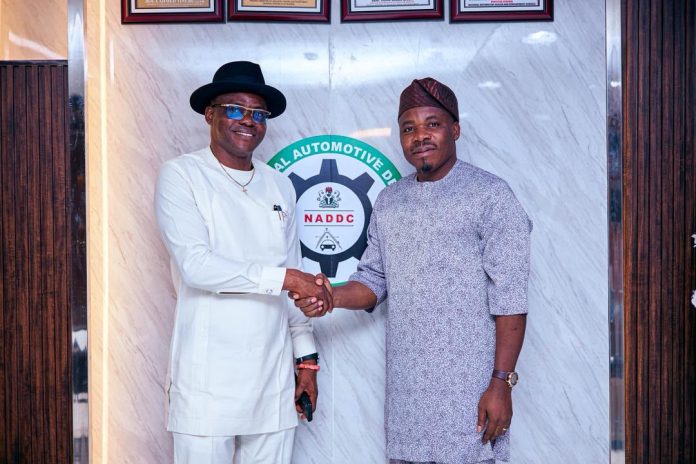
During the meeting, Engr. Best Nnodim, President of Auto SSC, and Engr. S.M. Yusuf, Director Vocational Training and Skills Development NBTE, presented a policy document on the proposed body to NADDC Director-General/CEO, Otunba Oluwemimo Joseph Osanipin.

Engr. Best noted that Nigeria’s automotive sector now requires a dedicated certification structure that aligns with global best practices, especially as the industry evolves into green energy and electric vehicles. The proposed body will accredit training providers, approve training centres, monitor standards, and oversee certification processes.

A three-tier implementation framework was also outlined: the SSC will develop occupational standards, the awarding body will design qualifications and curriculum, while accredited centres will deliver training and internal assessments.

In his remarks, Otunba Oluwemimo Joseph Osanipin welcomed the initiative and reaffirmed NADDC’s commitment to strengthening automotive skills development, expressing confidence that the process can be completed within six months.

The initiative is expected to boost technical manpower development, standardize training, and support a more competitive and sustainable automotive industry in Nigeria.

NADDC #NigeriaAutomotiveIndustry #IndustrialGrowth #sectorskillcouncil

NADDC Launches National Vehicle Dealership Registration Framework to Transform Nigeria’s Automotive Industry.

0

On the 10th of April 2026, The National Automotive Design and Development Council officially launched the National Vehicle Dealership Registration Framework, an initiative designed to modernize, standardize and strengthen dealership operations across Nigeria.

Speaking at the event held at Ibeto Hotels Abuja, Naddc DG, Otunba Oluwemimo Joseph Osanipin, described the framework as a decisive shift from policy planning to implementation, noting that the digital platform will sanitize the automotive business environment, promote transparency and establish a structured, professional ecosystem. He emphasized that the framework was developed through extensive stakeholder engagements across Uyo, Lagos, Kano and Bauchi with strong input from the Automobile Dealers of Nigeria (AMDON).

He noted that the initiative aligns with the National Automotive Industry Development Plan (NAIDP 2023–2033), positioning Nigeria as a leading automotive hub in Africa. He added that registered dealers will benefit from improved access to financing through institutions such as the Bank of Industry, eligibility for government procurement and protection under the Nigeria First policy. The framework, he said, will also strengthen Nigeria’s competitiveness under the African Continental Free Trade Area by ensuring uniform standards and building a reliable, data-driven dealership network.

In his remarks, the National President of the Automobile Dealers of Nigeria (AMDON), Prince Ajibola Adedoyin, commended the leadership of the NADDC Director-General for driving meaningful reforms in the sector. He acknowledged that AMDON members have faced longstanding challenges for over a decade, many of which are now being addressed through the new framework. He also praised the Federal Government’s commitment to formalizing and verifying dealership operations nationwide, noting that the initiative will enhance credibility, protect genuine operators, and create a more enabling environment for automotive businesses to thrive.

The launch of the National Vehicle Dealership Registration Framework marks a significant milestone in Nigeria’s automotive industry, setting a clear path toward transparency, standardization and sustainable growth. With strong collaboration between NADDC, AMDON and key stakeholders, the initiative is poised to redefine dealership operations, strengthen investor confidence, and position Nigeria competitively within the African automotive market.

NADDC #NigeriaAutomotiveIndustry #IndustrialGrowth #NAIDP

NDPC Investigates Remita and Sterling Bank for Alleged Data Breach

0

PRESS RELEASE

The Nigeria Data Protection Commission (NDPC) is carrying out an investigation into an alleged data breach involving Remita Payment Services Ltd., Sterling Bank and other entities. In line with the Commission’s procedure, Notice of Investigation was duly served on the 1st of April, 2026. Relevant parties and individuals have been providing information for the purpose of addressing the incident.

The aim of the investigation is to ensure that data subjects are protected with appropriate technical and organisational measures. The investigation by NDPC covers, among others, the types of personal data involved, the nature and scope of the alleged breach, the risk to data subjects and the mitigation measures carried out where a breach is confirmed.

The Commission’s National Commissioner/CEO, Dr Vincent Olatunji, has directed that organisations that employ digital payment systems without putting in place appropriate technical and organisational measures as mandated under the Nigeria Data Protection Act, 2023 (NDP Act), will also be examined as part of a wider effort to ensure the integrity of the ecosystem.

Signed
Babatunde Bamigboye, Esq.
Head, Legal, Enforcement & Regulations, NDPC

NITDA DG Urges Stronger Collaboration to Drive Nigeria’s Digital Economy

0

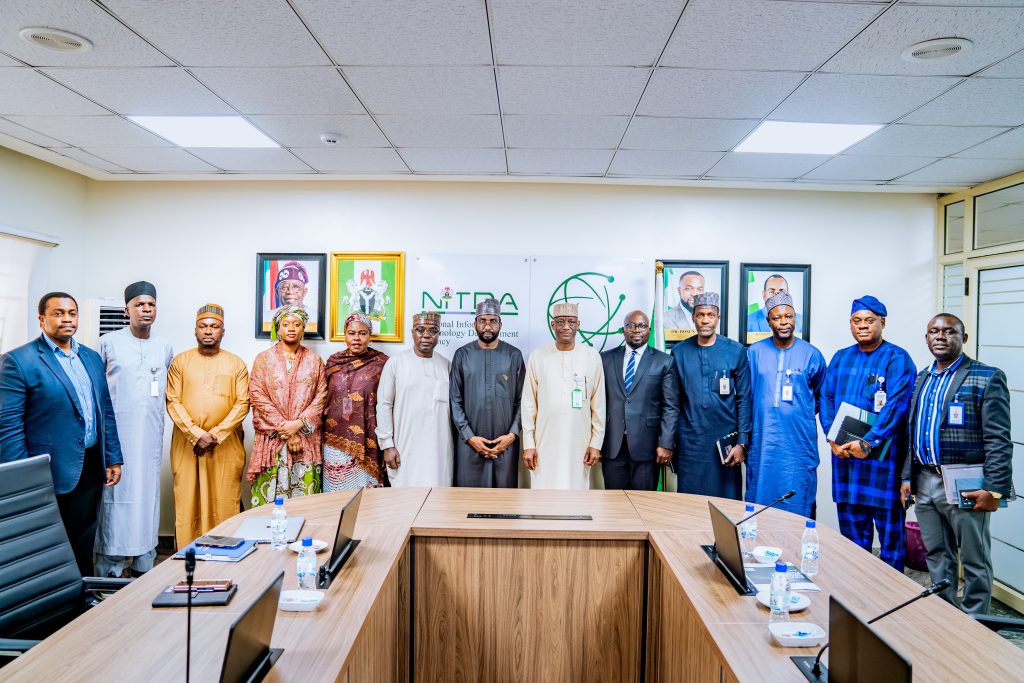
The Director General of the National Information Technology Development Agency (NITDA), Kashifu Inuwa, has called for stronger collaboration among stakeholders to unlock opportunities in Nigeria’s digital economy and accelerate national development.

Inuwa made the call at a NITDA-States IT Stakeholders’ Engagement and Ecosystem Development programme themed “Creating Opportunities, Breaking Boundaries: Towards Digitalization and Entrepreneurial Evolution.” in Abuja

Speaking at the event, the NITDA boss, represented by Mr Ajayi Babajide, Director Zonal Office Coordination, said Nigeria’s economy Africa’s largest by Gross Domestic Product (GDP) is at a critical juncture that requires urgent diversification, noting that the digital economy presents a strategic pathway to sustainable growth, job creation, and inclusive development.

He explained that in today’s interconnected world, digitalisation has become a key driver of economic transformation, offering unprecedented access to knowledge and creating opportunities for developing nations to compete globally.

According to him, the technology sector remains one of the fastest growing and most impactful segments of the global economy, stressing the need for Nigeria to position itself to fully harness its potential.
Inuwa reaffirmed NITDA’s mandate to drive and coordinate digital innovation across the country, adding that the agency is focused on creating an enabling environment that empowers all sectors, including underserved communities, to contribute meaningfully to the economy.

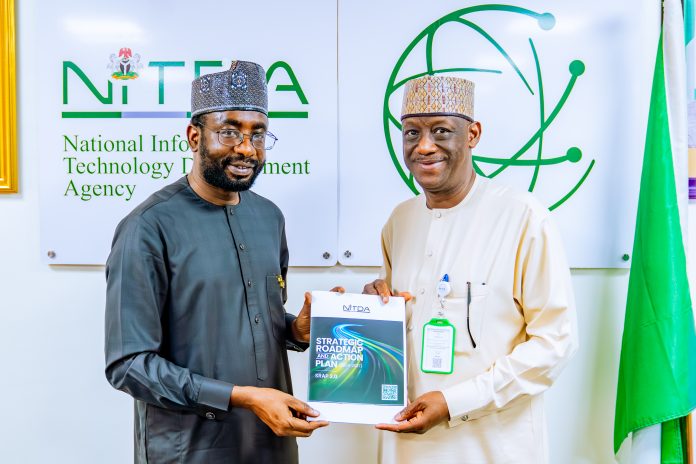
He highlighted the implementation of the agency’s Strategic Roadmap and Action Plan (SRAP 2.0), designed to deliver life-transforming opportunities and strengthen Nigeria’s digital ecosystem. He also pointed to the National Digital Literacy Framework (NDLF), which aims to equip citizens across various sectors with the digital skills required to thrive in a rapidly evolving economy.

The DG disclosed that NITDA has established over 100 IT centres nationwide and provided infrastructure to support digital learning and skills acquisition. However, he emphasised that sustaining and expanding these initiatives would require deeper collaboration with stakeholders.

He called for stronger partnerships among government at all levels, the private sector, academia, and civil society, noting that innovation thrives in an ecosystem supported by effective policies, access to funding, and enabling regulations.

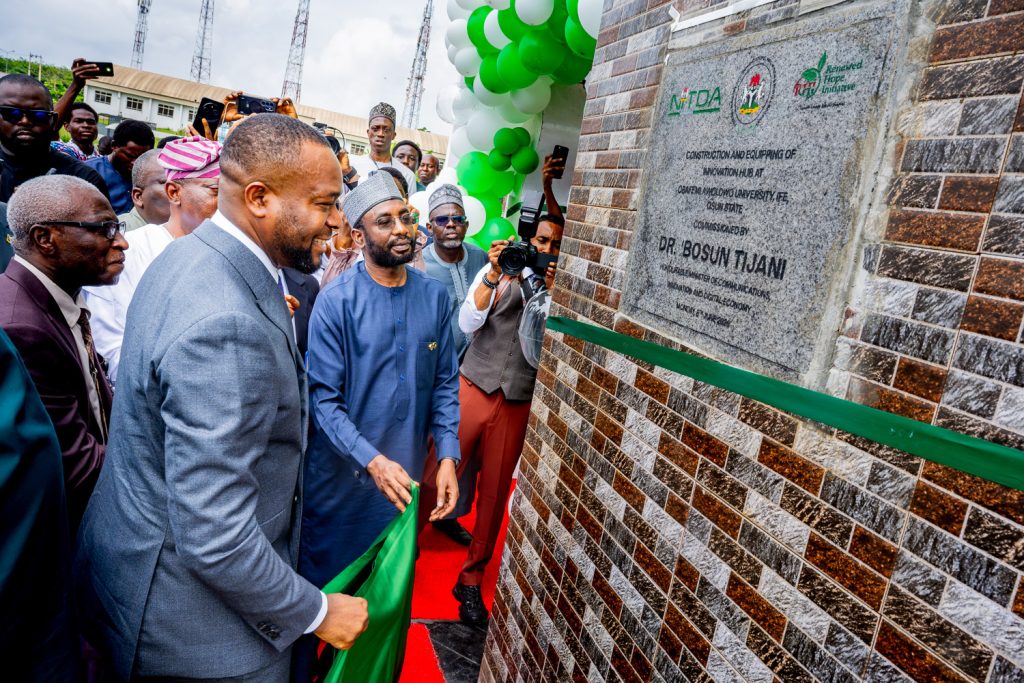
Inuwa also stressed the importance of investing in innovation hubs and incubators to nurture startups from ideation to market readiness, enabling them to compete favourably on the global stage.

On entrepreneurship, he noted that NITDA has continued to support innovation through its special purpose vehicles, including the Office for Nigerian Digital Innovation (ONDI) and the National Centre for Artificial Intelligence and Robotics (NCAIR), which provide incubation, acceleration, and training programmes for startups and young innovators.

He observed that Nigeria’s innovation ecosystem has attracted significant investments and produced globally recognised startups, including unicorns, but said more efforts are needed to sustain the momentum.

Inuwa further noted that digitalisation holds immense potential for economic diversification, job creation, and inclusive growth, but warned that these opportunities must be deliberately harnessed through robust policies, legal frameworks, and strong institutional support.

He said the engagement provided a platform for stakeholders to exchange ideas, co-create solutions, and align strategies for the effective rollout of digital initiatives across states in line with SRAP 2.0.

The NITDA boss reiterated the agency’s commitment to fostering partnerships and providing the necessary support to drive Nigeria’s digital transformation, expressing confidence that collective efforts would deliver lasting impact.

He urged participants to remain committed to building a future where innovation thrives, opportunities are accessible, and Nigeria’s digital economy reaches its full potential.

In his earlier keynote address, the Permanent Secretary, Ministry of Innovation, Science and Technology Kogi State, Pharm. Eric Monday, explained that the state’s digital strategy is focused on applying technology to critical sectors, particularly healthcare, where efforts are underway to improve data management and expand service coverage. He added that similar interventions are being extended to works and environmental management.

He noted that outcomes from previous stakeholder engagements had helped shape actionable plans, stressing the importance of collaboration in achieving sustainable progress.

“Our goal is to learn from others while also sharing our experiences. The knowledge gained from engagements like this will help us strengthen our systems, create opportunities for our youth, and support skills development,” he said.

Highlighting ongoing projects, he disclosed that a skills acquisition centre, supported by development partners, is nearing completion and will soon be equipped to train young people in relevant digital skills.

Monday further revealed that the state is expanding its partnerships beyond Nigeria, including collaborations with Chinese organisations, to build a robust innovation ecosystem and open up new economic opportunities.

Describing Kogi as a “land of opportunity,” the official said the government is committed to leveraging its strategic position as the Confluence State to attract investment and promote growth.
Other dignitaries who delivered remarks at the event included the Permanent Secretary, Ministry of Science and Technology, Nasarawa State, Mr. Damina John, as well as the Executive Director, Commercial and Industry Development at the North Central Development Commission (NCDC), Mrs. Aisha Rufai.

FRSC UNVEILS NEW CORPS PUBLIC EDUCATION OFFICER IN STRATEGIC COMMUNICATIONS SHAKE-UP

0

In another strategic move to redefine its public engagement architecture, the Federal Road Safety Corps (FRSC) has appointed a highly accomplished communications strategist, administrator, and operations expert, Deputy Corps Commander Ohaeri Osondu Joseph as the new Corps Public Education Officer (CPEO).

The landmark appointment signals a renewed institutional resolve to intensify nationwide advocacy, reshape public perception, and drive behavioural change towards safer road use across Nigeria.

A consummate professional with over two decades of exceptional service, the new Corps’ Spokesperson brings an intimidating portfolio of experience cutting across media relations, field operations, policy coordination, and stakeholder management. He served meritoriously as Media Relations Officer at the FRSC National Headquarters, Abuja for 15 years, where he was instrumental in projecting the Corps’ image and amplifying its voice on critical national issues.

His operational command credentials remain unmatched, having led strategic interventions as Unit Head of Operations in Keffi and Bida, and later as Assistant Corps Commander (Operations) in Kaduna Sector Command. His tenure as Head of Special Duties and External Relations further showcased his capacity to forge high impact partnerships and drive multi-sectoral collaboration.

A Fellow of the Nigerian Institute of Public Relations and the Institute of Corporate Administration, the new CPEO stands tall as a thought leader and respected voice in public communication. He has authored the widely acclaimed book, “The Potency of Public Enlightenment Campaigns on Road Crash Reduction in Nigeria,” alongside numerous influential publications that continue to shape discourse in road safety management.

His professional footprint extends beyond the Corps, with active roles in national and faith-based institutions, including serving as Public Relations Officer of the Methodist Archdiocese of Abuja and Chairman of the Publicity/Media Committee for the historic 170 years of Methodism in Nigeria.

His leadership trajectory is further defined by a trail of excellence, including his sterling performance as Unit Commander, Lugbe Unit Command, and his strategic role as Special Assistant, Media to the Honourable Minister of Women Affairs. Until this appointment, he served as Deputy Corps Commander in charge of Marshal Inspectors, Administration and Human Resources at the FRSC National Headquarters, Abuja; where he contributed significantly to institutional reforms and personnel development.

A decorated officer of remarkable distinction, his shelf of honours includes the prestigious Best Unit Commander Award in FRSC (2022), multiple Leadership and Innovation Awards, and international recognition as a Peace Ambassador and Chaplain.

These accolades speak volumes of a career built on excellence, innovation, and unwavering commitment to service.
With this appointment, the Corps is set to unleash a new era of aggressive, intelligent, and result driven public enlightenment campaigns. His proven capacity, visionary leadership, and commanding influence in the communication space are expected to galvanise public cooperation, strengthen stakeholder confidence, and ultimately accelerate the Corps’ mission of reducing road traffic crashes to the barest minimum.

NADDC Hosts Earthoc Energy Limited, Explores Clean Energy Partnership

0

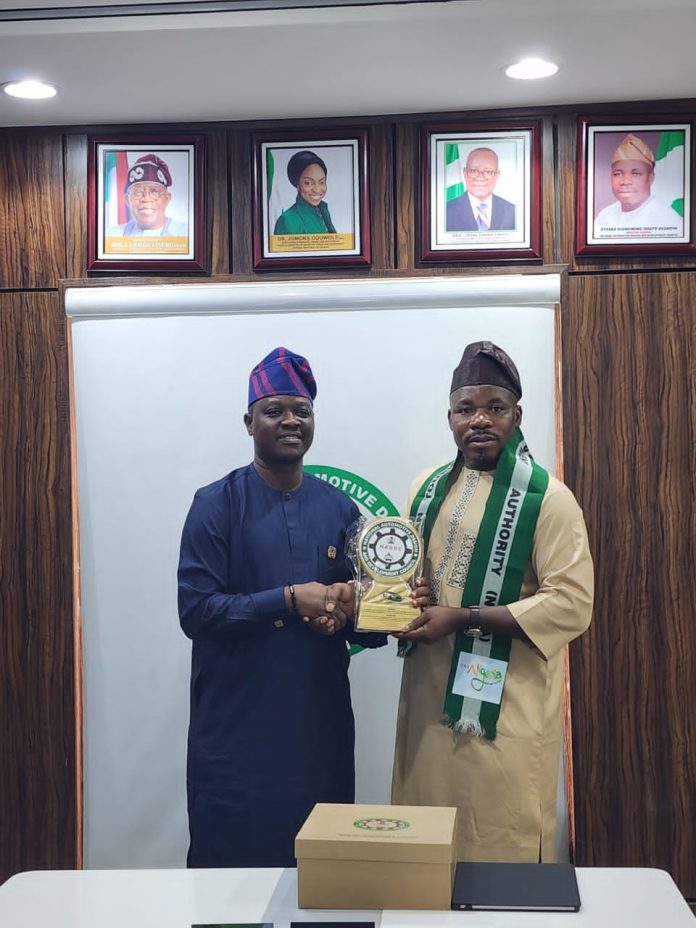
The National Automotive Design and Development Council (NADDC), on 2nd April, received a delegation from Earthoc Energy Limited at the Council’s Headquarters in Abuja, to discuss progress and partnership opportunities in advancing Nigeria’s clean energy transition within the automotive sector.

Speaking during the visit, the Chief Technical Officer of Earthoc Energy Limited, Odim Kalu, highlighted the company’s achievements in Rivers State, particularly in Compressed Natural Gas (CNG) vehicle conversion, public sensitization, and training programmes.

He noted that the company has expanded into electric conversion of tricycles and is working to address infrastructure challenges such as CNG station development.
He emphasized the importance of awareness and capacity building in driving the adoption of new energy technologies and expressed the company’s interest in partnering with NADDC to deliver youth-focused training, including free truck conversion programmes.

In his response, the Director-General of NADDC, Oluwemimo Joseph Osanipin, commended the company’s efforts in promoting clean energy solutions through training and sensitization. He reaffirmed the Council’s commitment to supporting initiatives that enhance local capacity and accelerate the adoption of new energy vehicles.

He further noted that the Federal Government, with support from the Nigerian Midstream and Downstream Petroleum Regulatory Authority (NMDPRA), is making significant investments in gas infrastructure to support the transition.

Both parties expressed readiness to collaborate in advancing sustainable, technology-driven transportation in Nigeria.

NADDC #NigeriaAutomotive #NigeriaAutomotiveIndustry #IndustrialGrowth ##automotivedevelopment #youthtraining

NADDC and SON Launch VehCAP to Strengthen Vehicle Safety and Industry Standards

0

The National Automotive Design and Development Council (NADDC), in collaboration with the Standards Organisation of Nigeria (SON), on 31st March 2026, launched the Vehicle Conformity Assessment Programme (VehCAP), a strategic initiative aimed at improving vehicle safety, environmental compliance, and the overall quality of vehicles entering Nigeria.

The programme responds to growing concerns over the importation of used vehicles without proper verification of safety, structural integrity, emissions performance, and lifecycle history—factors that contribute to road accidents, environmental risks, and unfair competition within the automotive sector.

During the official launch of the VehCAP initiative in Abuja, the Honourable Minister of State for Industry, Federal Ministry of Industry, Trade and Investment, John Owan Enoh, described the initiative as a testament to the power of collaboration between the two key institutions—NADDC and SON. He expressed appreciation to the President for enabling the initiative and commended the administration’s commitment to industrialising Nigeria and protecting citizens from substandard goods.

The Minister further highlighted that the programme integrates vehicle safety into Nigeria’s broader economic policy framework, including fiscal instruments, foreign exchange management, import financing, and vehicle renewal systems, all aligned with safety and standardisation objectives. He emphasised that with the commencement of the SON–NADDC VehCAP, all new and used vehicles, as well as automotive products entering Nigeria, must obtain Shipment Certification under VehCAP prior to approval processes, including customs valuation, port processing, import clearance, and eventual market entry.

Speaking on the initiative, the Director-General of NADDC, Oluwemimo Joseph Osanipin, explained that VehCAP introduces a proactive system that ensures vehicles are inspected and certified before shipment into Nigeria, marking a critical shift from the previous “inspect after arrival” approach to a more effective “verify before entry” framework.

Under the initiative, NADDC will provide technical oversight, including vehicle classification, model verification, and alignment with national automotive policies, ensuring the programme supports both regulation and industry development.

Also speaking, the Director-General of SON, Ifeanyi Chukwunonso Okeke, acknowledged the leadership and commitment of the Honourable Minister in strengthening Nigeria’s industrial and regulatory systems. He noted that the Minister’s policy direction and steadfast support for standards-driven initiatives continue to reinforce the critical role of quality infrastructure in national economic development.

He further emphasised that the initiative is fully aligned with the vision of Bola Ahmed Tinubu under the Renewed Hope Agenda, which places strong emphasis on economic revitalisation, industrial competitiveness, and the protection of Nigerian lives. Strengthening product standards, improving regulatory coordination, and safeguarding the Nigerian market from unsafe and substandard imports remain essential pillars of this vision.

In addition, the Chairman, Senate Committee on Industry, Francis Fadahunsi, and the Permanent Secretary, Federal Ministry of Industry, Trade and Investment, Isokpunwu Christopher Osaruwanwem, both expressed their full commitment and support for the successful implementation of VehCAP, underscoring the importance of strong legislative and institutional backing in achieving the programme’s objectives.

The programme is expected to enhance road safety, strengthen consumer protection, promote environmental sustainability, and restore market discipline by restricting substandard vehicle imports while encouraging compliance.

Government Ministries, Departments, and Agencies (MDAs) have been urged to align their procurement processes with VehCAP requirements and support its implementation through coordinated efforts.

VehCAP represents a significant milestone in inter-agency collaboration between NADDC and SON, reinforcing Nigeria’s commitment to a safer, more structured, and globally competitive automotive sector.

#NADDC#NigeriaAutomotiveIndustry#IndustrialGrowth#standardorganisationofNigeria #

NADDC Advocates Investment in Motorsport at Turbo Fest 2026.

0

NADDC Advocates Investment in Motorsport at Turbo Fest 2026.

Tinubu’s Turbo Fest 2026, held on 29 March at Eagle Square, marked a major milestone in Nigeria’s automotive and sporting development. Organized by Naija Autosports in collaboration with National Automotive Design and Development Council (NADDC), the event showcased the potential of motorsport to drive innovation and economic growth.

The Director-General of NADDC, Oluwemimo Joseph Osanipin, emphasized motorsport as a catalyst for technological advancement, job creation, and youth empowerment, while stressing the need for structured development, regulation, and investment in the sector.

The event attracted key stakeholders and dignitaries, demonstrating strong institutional support for building a professional, safe, and economically viable motorsport industry. Beyond entertainment, it highlighted opportunities for employment, investment, tourism, and industrial growth.

Dedicated to celebrating the birthday of Bola Ahmed Tinubu, the festival symbolically aligned with his vision for a modern, innovative, and globally competitive Nigeria. Stakeholders noted that the energy, precision, and discipline displayed reflect the administration’s commitment to youth empowerment and sustainable development.

Overall, the event signaled Nigeria’s readiness to leverage motorsport as a driver of innovation, safety, and economic growth.

#NADDC #NigeriaAutomotiveIndustry #IndustrialGrowth #drift #TurboFest2026

FRSC SWIFT RESPONSE SAVES LIVES AS OPERATIVES RESCUE VICTIMS FROM AYA-NYANYA EXPRESSWAY MULTIPLE VEHICLE CRASH

0

The Federal Road Safety Corps (FRSC) has once again demonstrated its commitment to prompt emergency response and road safety management following a serious multiple road traffic crash that occurred around the Kugbo Furniture Market axis of the AYA–Nyanya route in the Federal Capital Territory on the evening of Monday, 16 March 2026.

The crash, which involved six vehicles including two tippers, a commercial bus, and private vehicles, occurred at about 1648HRS. Within four minutes of receiving the distress call, the FRSC rescue team from Zebra 12 Unit promptly arrived at the scene and immediately commenced life-saving operations.

In a coordinated rescue effort, officers successfully extricated a trapped victim from one of the heavily damaged tippers and administered first aid before evacuating him to the National Hospital for comprehensive medical attention.

A total of 39 persons were involved in the crash, with 2 male victims sustaining injuries ranging from bruises to fractures. One of the victims received immediate first aid at the scene as personnel worked tirelessly to stabilise the situation, prevent further casualties, and ensure the safety of other road users.

The Unit Commander led officers and marshals on ground to coordinate the rescue and traffic management operations, while heavy duty recovery equipment was mobilised to remove the crashed vehicles that obstructed the highway.

Through coordinated traffic control measures, the Corps operatives prevented a potential gridlock and restored normal traffic flow along the busy AYA–Nyanya corridor. Following the successful rescue and evacuation of victims, vehicles involved in the crash were handed over to Karu Police Division for further investigation.

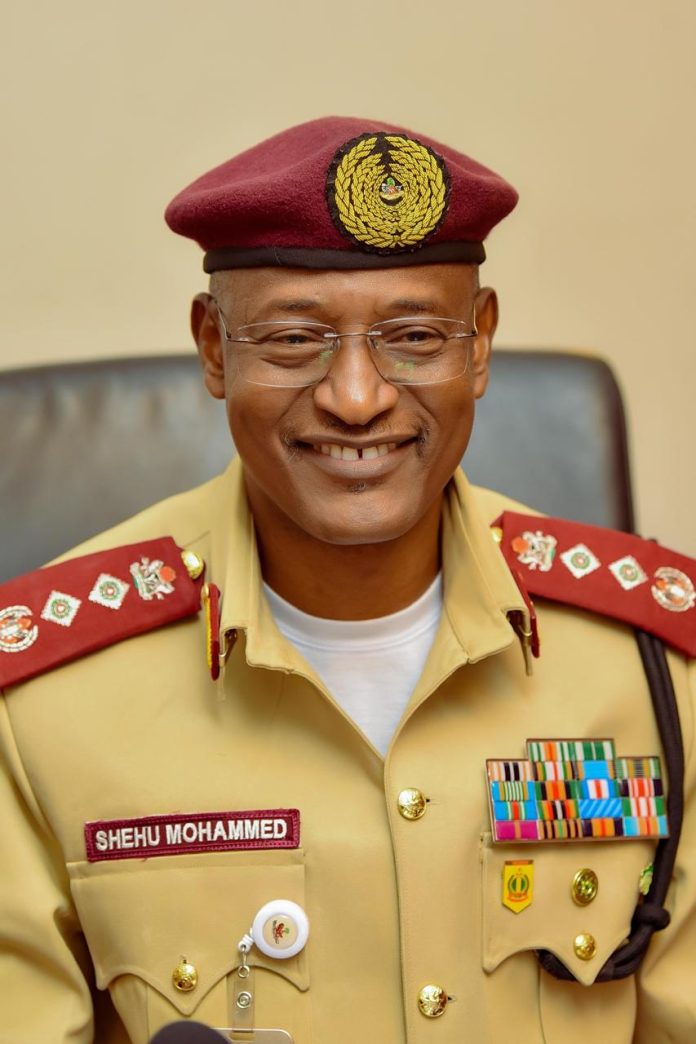
The Corps Marshal, Federal Road Safety Corps, Shehu Mohammed at whose instance, the rescue and clearance of obstructions were carried out re-echoed FRSC’s commitment to protecting lives on Nigerian roads through rapid emergency response, professional rescue operations, and effective traffic management.

He therefore urged motorists, particularly drivers of heavyduty vehicles, to maintain safe speed limits, observe proper lane discipline, and remain vigilant at all times to prevent avoidable crashes.

Signed:
Felicia Kalu mnipr
Corps Commander
Corps Public Education Officer
Federal Road Safety Corps
National Headquarters, Abuja
cpeo@frsc.gov.ng
info@frsc.gov.ng

17 March, 2026.