NADDC Strengthens Local Content Drive Through Strategic Engagement with RMRDC.

0

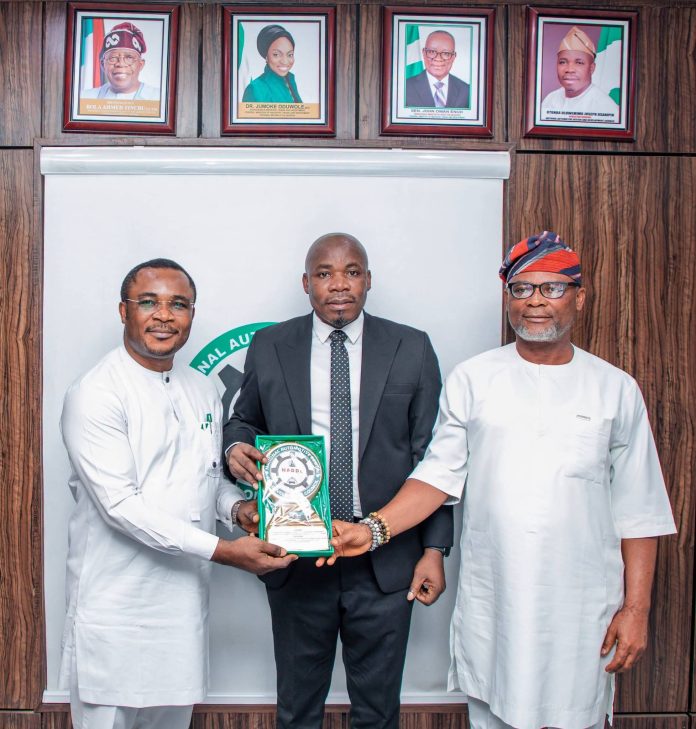
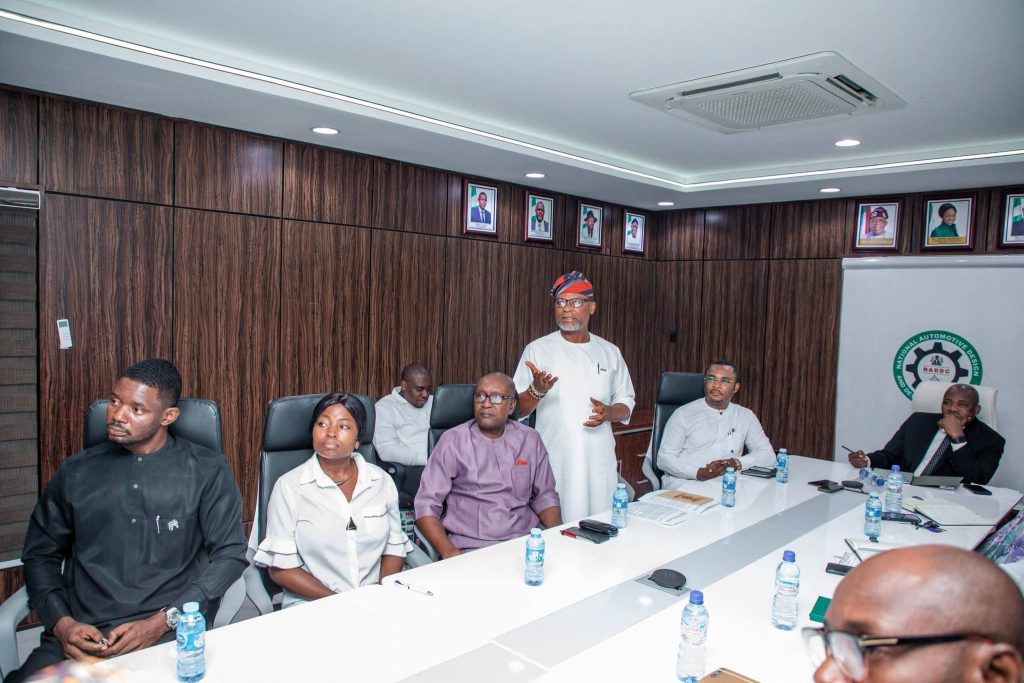
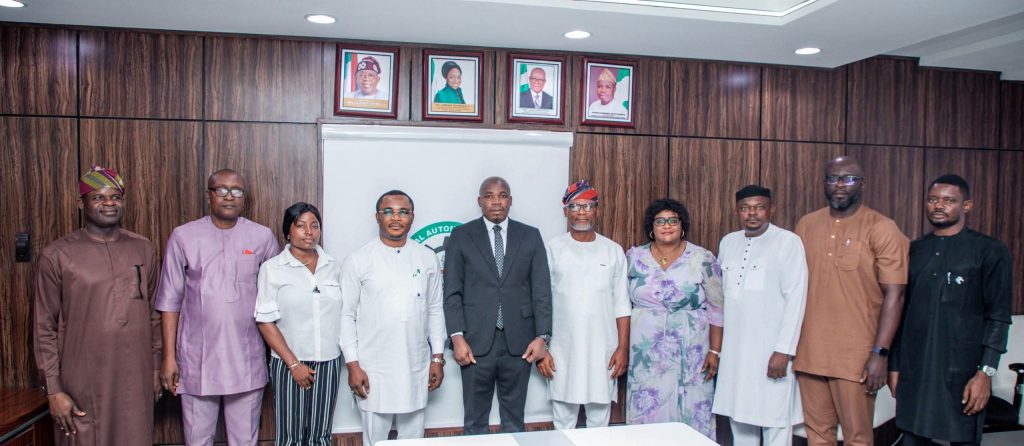
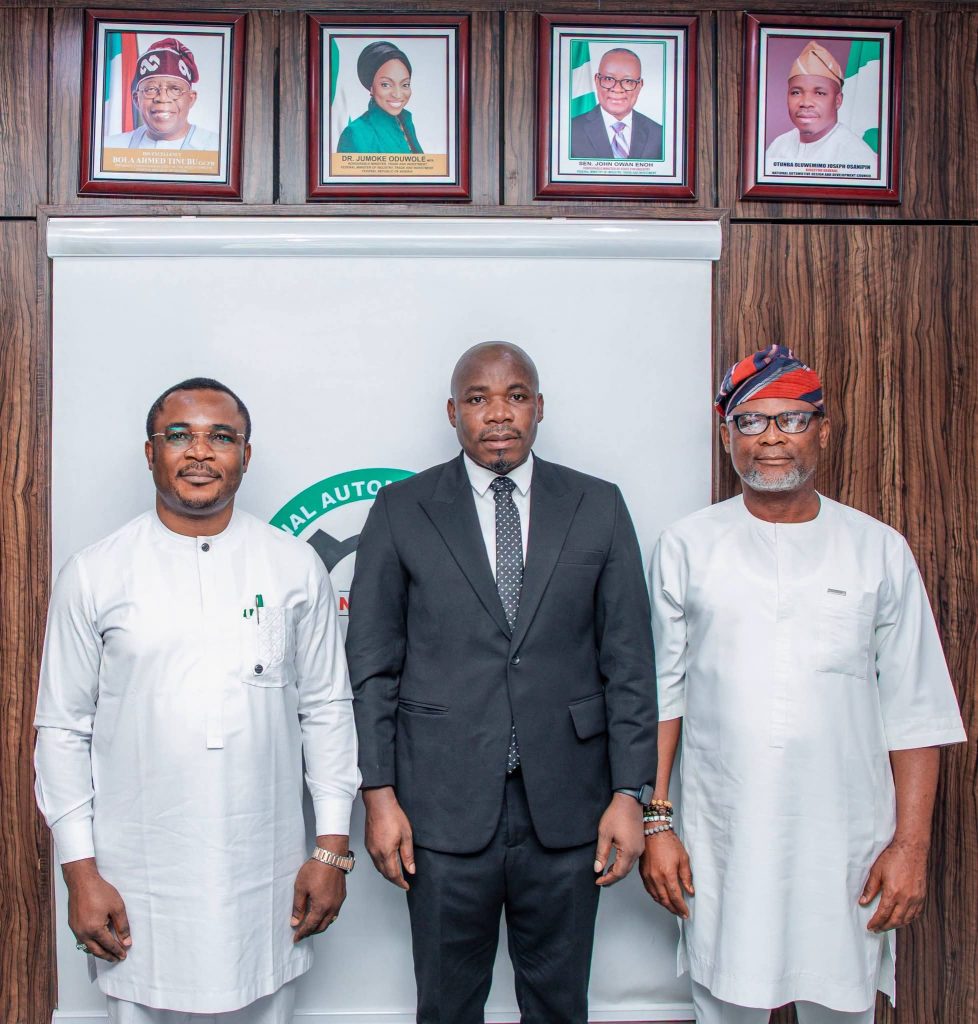
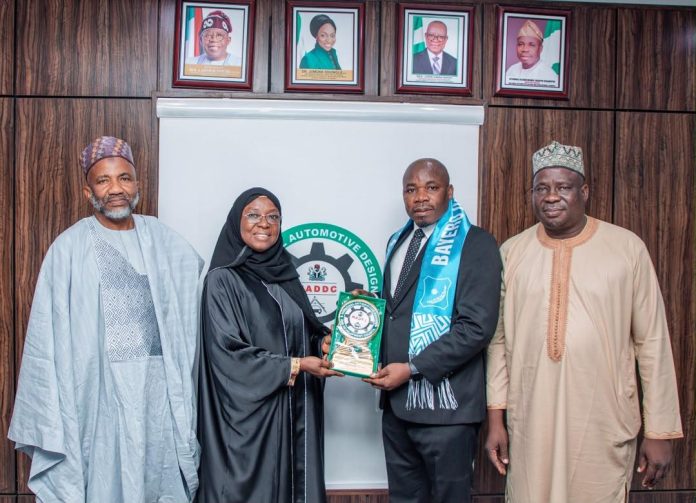
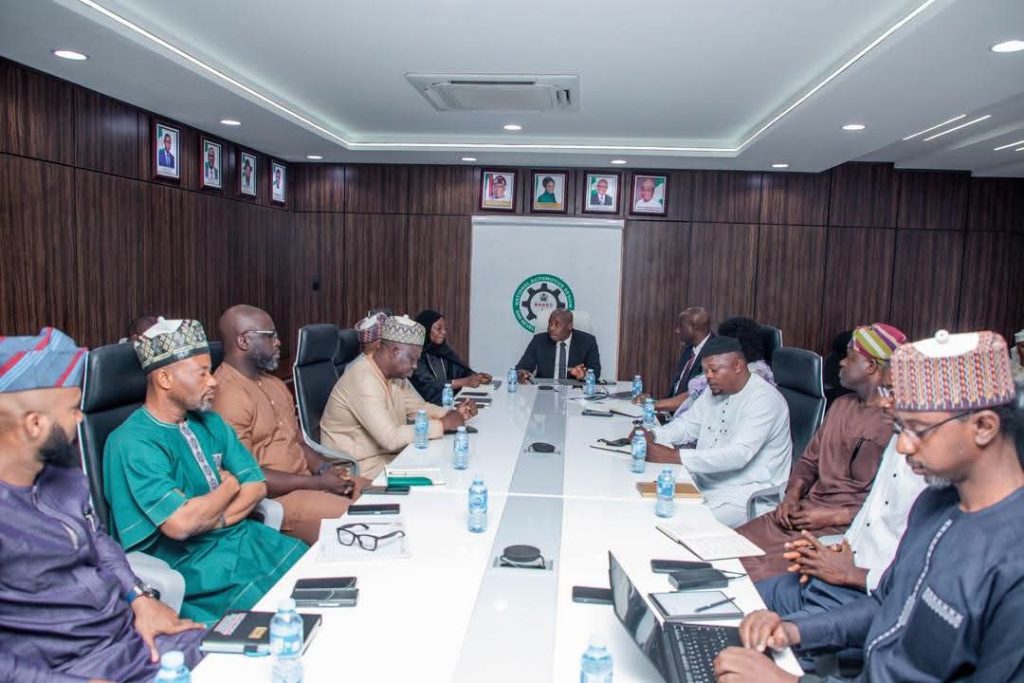
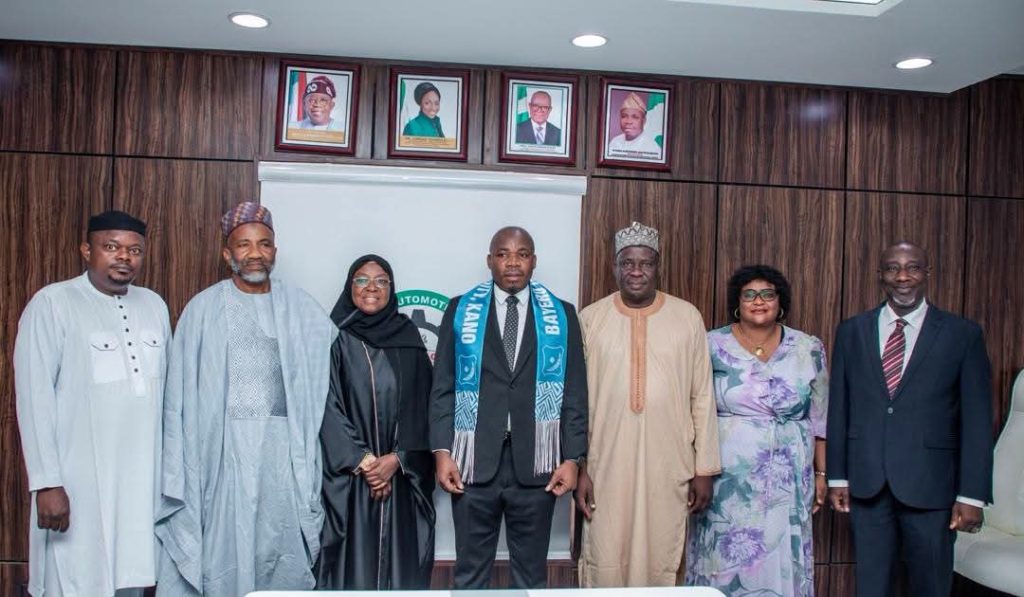
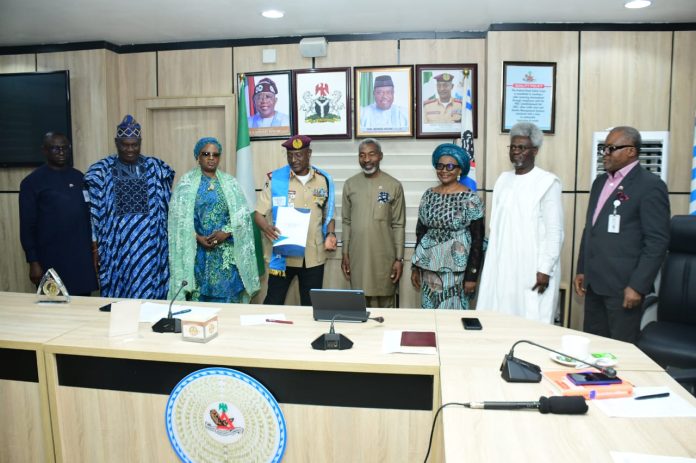
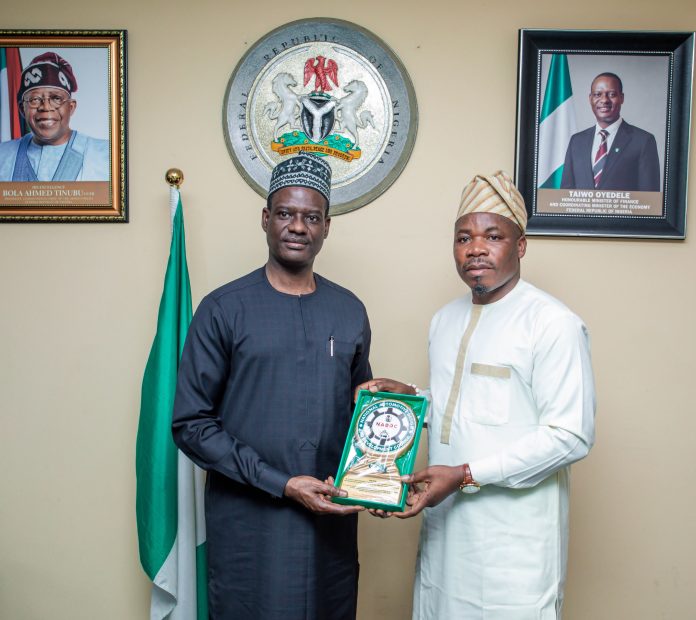
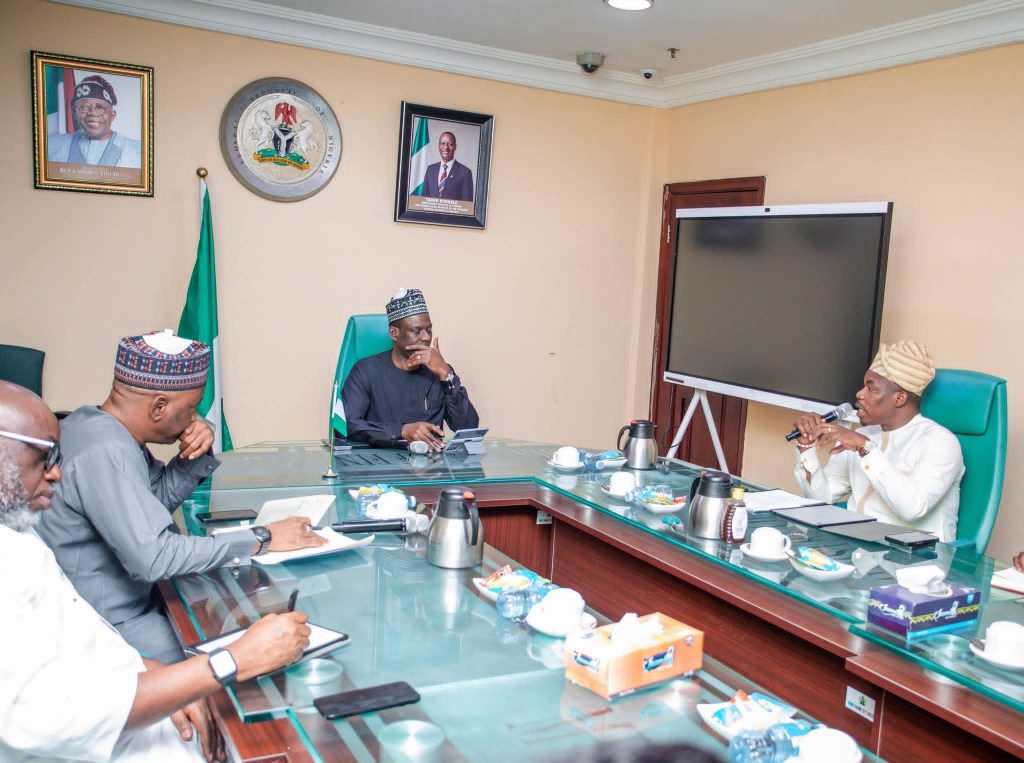
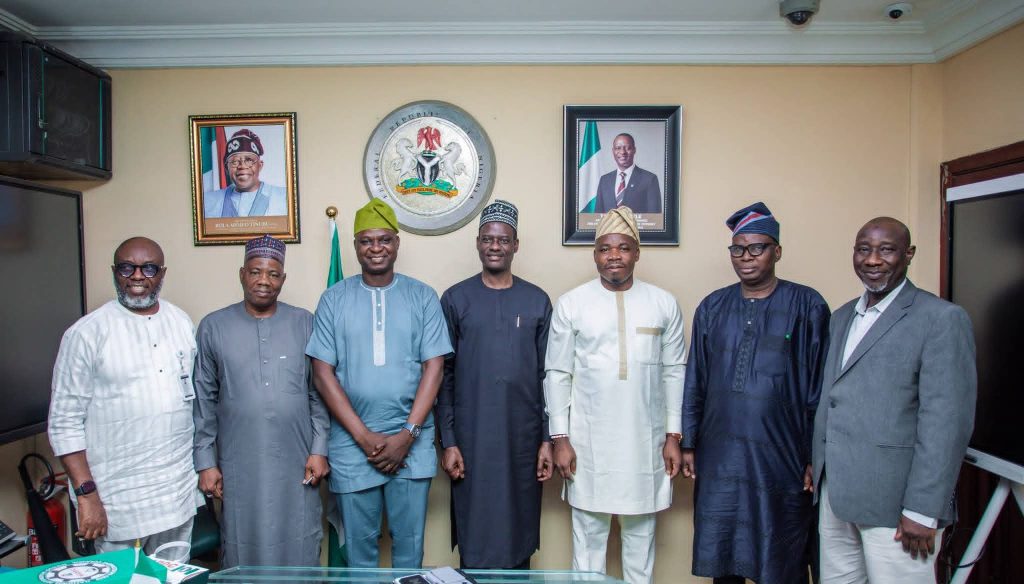
In a strategic move to develop the Nigerian automotive sector, the National Automotive Design and Development Council, led by its Director General, Otunba Oluwemimo Joseph Osanipin, held a strategic engagement with Prof. Nnayelugo Ikemounso, Director General of Raw Materials Research and Development Council (RMRDC) to deepen collaboration and advance local content development within the industry today the 5th of May 2026 in Abuja.

Speaking at the meeting, Naddc DG emphasized the urgent need to develop Nigeria’s automotive components using locally available materials, noting that sustained research and development remains critical to achieving this objective. He stressed that the growth of local content in the automotive sector cannot be effectively realized without strong inter-agency collaboration, highlighting the importance of coordinated institutional efforts in building a resilient and self-sustaining industry.

In his remarks, the DG of RMRDC, Nnayelugo Ikemounso, reaffirmed the Council’s commitment to supporting NADDC in harnessing locally available resources for automotive production, further reinforcing a shared vision of sustainable industrial advancement.

The engagement focused on strengthening collaboration between both agencies, with key discussions centered on mobilizing local technicians, integrating the informal sector into the automotive value chain and leveraging national logistics frameworks to boost local content development.

This strategic partnership underscores a unified commitment to strengthening Nigeria’s automotive sector through innovation, local resource utilization and enhanced institutional synergy.

NADDC #RMRDC #NigeriaAutomotiveIndustry #IndustrialGrowth #rawmaterialresearch

NADDC, Pi-CNG/EV Synergize to Accelerate CNG and Electric Mobility Adoption in Nigeria.

0

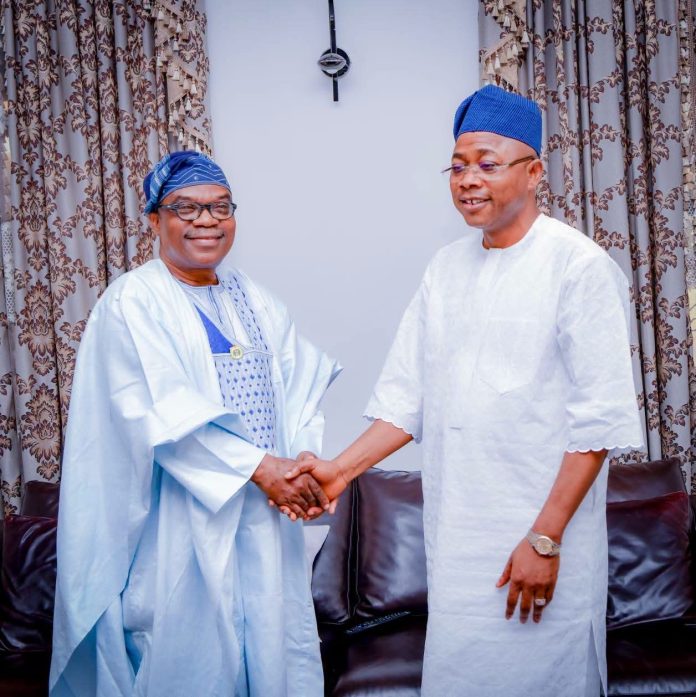
The Director General, National Automotive Design and Development Council (NADDC) – Oluwemimo Joseph Osanipin welcomed the Executive Chairman of the The Presidential Initiative on Compressed Natural Gas – Pi-CNG and Electric Vehicles (Pi-CNG/EV) Barrister Ismaeel Ahmed and his team on 23rd April 2026 at the Council’s Headquarters in Abuja.

The purpose of the visit was to strengthen collaboration between NADDC and the Presidential Initiative, with a focus on aligning policies, expanding the adoption of alternative fuel technologies, and accelerating the development of Nigeria’s electric mobility and compressed natural gas (CNG) ecosystem. The engagement also explored opportunities in data sharing, capacity building, and market development.

Barr. Ismaeel Ahmed, in his remarks noted that the initiative was established in 2023 by President, Bola Ahmed Tinubu, GCFR, as a response to the removal of the fuel subsidy. He explained that the initiative has since evolved significantly, with a focus on providing sustainable alternatives through gas and, more recently, electric vehicles (EVs), while leveraging Nigeria’s vast gas resources.

He emphasized the importance of institutional collaboration, adding that NADDC plays a critical role in automotive policy development and industry regulation, while their mandate focuses on market expansion. He highlighted the need for stronger alignment, particularly in leveraging NADDC’s data and technical expertise, and stressed that accurate and coordinated data reporting is essential for effective implementation.

He further stated that, following the successful pilot phase guided by NADDC, efforts are now directed toward expanding adoption through training, certification, policy support, and market growth. This, according to him will ensure sustainable scaling of the initiative across the country.

In his remarks, the Director-General of NADDC, expressed appreciation for the visit and reaffirmed the Council’s commitment to promoting the adoption of EV and CNG technologies. He also commended the progress made in addressing gas availability challenges, stressing that the collaboration marks a significant step toward advancing sustainable mobility in Nigeria.

NADDC #NigeriaAutomotiveIndustry #IndustrialGrowth #CNG #ElectricVehicles #Sustainability #GreenFuture

NADDC and NEMSA Strengthen Strategic Partnership to Advance Electric Mobility in Nigeria.

0

In a strategic move to foster the growth of the Automotive sector, the National Automotive Design and Development Council, Director-General, Oluwemimo Joseph Osanipin and the Chief Executive Officer of the Nigerian Electricity Management Services Agency, Engr. Olusegun Adesayo, on the 23rd of April 2026 reaffirmed their commitment to a strategic partnership focused on accelerating electric mobility adoption and strengthening safety standards across Nigeria.

The meeting underscored the importance of collaboration between both regulatory institutions in driving the development of a resilient, safe and future-ready electric vehicle (EV) ecosystem. Key discussions centered on the establishment and enforcement of national standards to support the seamless integration of electric vehicles into Nigeria’s transport and energy landscape.

In his remarks, Engr. Olusegun Adesayo emphasized that strong institutional partnerships are critical to ensuring compliance with electrical safety standards, mitigating operational risks and preventing technical failures associated with poorly implemented EV infrastructure.

Osanipin congratulated the Engr. Adesayo on his appointment and expressed confidence in his capacity to drive impactful reforms within the electricity management sector. He reiterated NADDC’s commitment to working closely with NEMSA to ensure that Nigeria’s automotive industry remains aligned with global trends in sustainable and electric mobility.

Both parties highlighted the pivotal role of regulatory expertise in guiding the deployment of EV technologies, particularly in areas such as charging infrastructure, installation standards, and maintenance protocols. Emphasis was placed on adherence to approved electrical standards, proper cabling systems, and safe shutdown procedures during maintenance as essential safeguards against system failure and user risk.

This strengthened collaboration reflects a shared commitment to positioning Nigeria as a leading force in electric mobility across Africa, while ensuring that safety, quality, and regulatory compliance remain central to the country’s transition to cleaner transportation solutions.

NADDC #NigeriaAutomotiveIndustry #IndustrialGrowth

NADDC Hosts African Development Bank Delegation; Chart Ways to Advance the Development of Nigeria’s e- mobility Ecosystem

0

The National Automotive Design and Development Council (NADDC), on 22nd April 2026, received a delegation from the African Development Bank Group Nigeria Country Department (ADBGNCD) at its Headquarters in Abuja.

During the visit, the leader of the delegation Alex Rugamba, provided an overview of the Bank’s initiative, which is currently being piloted across several African countries. They explained that the core objective of the programme is to engage policymakers and the private sector in strategic dialogue aimed at shaping and strengthening the development pipeline for the project. As part of this effort, the Bank is mobilizing financial resources to support the implementation of viable and impactful programmes, with a key priority of identifying and developing bankable projects within each participating country.

In line with this objective, the delegation expressed interest in gaining deeper insight into the mandate of NADDC and exploring areas of collaboration. They emphasized the Bank’s commitment to identifying investment opportunities that can support Nigeria’s automotive and e-mobility ecosystem, particularly in developing sustainable and scalable projects.

The initiative aligns closely with the global climate change agenda, with a strong focus on promoting cleaner environments across participating countries. Electric mobility was highlighted as a critical pathway for reducing greenhouse gas emissions, advancing sustainable development, and supporting the transition toward greener and more sustainable cities, in line with the Bank’s strategic priorities.

According to Rugamba, Nigeria in particular, was recognized for its strong ambition in advancing e-mobility solutions, positioning the country as a key player in Africa’s transition to cleaner transportation systems.

In his remarks, the Director-General NADDC, Otunba Joseph Osanipin, expressed appreciation for the Bank’s visit and its interest in collaborating with the Council. He highlighted the critical challenge of inadequate power supply in Nigeria’s automotive sector, noting that addressing this constraint will require significant financial investment. He further stated that green energy represents the future of the global automotive industry, emphasizing that Nigeria is not an exception in this transition.

He reaffirmed the Council’s commitment to supporting initiatives that promote sustainable mobility and industrial development in the country.

NADDC #NigeriaAutomotiveIndustry #IndustrialGrowth #automotivedevelopment #automotiveinvestments

NADDC Moves to Establish Automotive Sector Awarding Body for Skills Certification

0

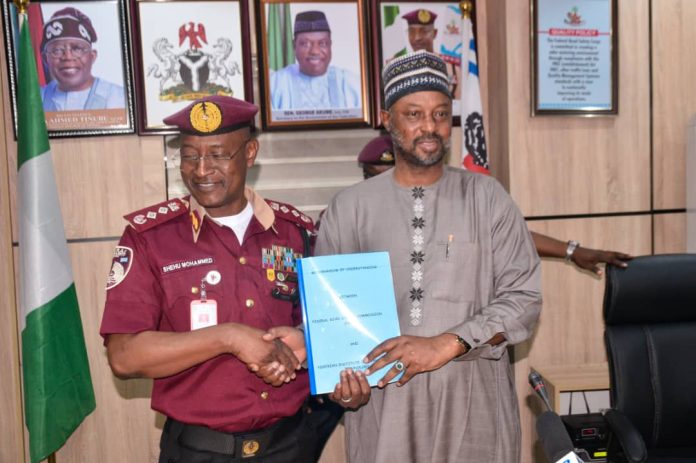
The National Automotive Design and Development Council (NADDC), on April 13, 2026, took a major step to strengthen skills development and certification in Nigeria’s automotive industry through a strategic meeting with the Sector Skills Council (SSC) and the National Board for Technical Education (NBTE) at its headquarters in Abuja.

The meeting focused on plans to establish a specialized automotive awarding body to encourage competency-based certification and qualifications, tailored to the sector’s needs.

During the meeting, Engr. Best Nnodim, President of Auto SSC, and Engr. S.M. Yusuf, Director Vocational Training and Skills Development NBTE, presented a policy document on the proposed body to NADDC Director-General/CEO, Otunba Oluwemimo Joseph Osanipin.

Engr. Best noted that Nigeria’s automotive sector now requires a dedicated certification structure that aligns with global best practices, especially as the industry evolves into green energy and electric vehicles. The proposed body will accredit training providers, approve training centres, monitor standards, and oversee certification processes.

A three-tier implementation framework was also outlined: the SSC will develop occupational standards, the awarding body will design qualifications and curriculum, while accredited centres will deliver training and internal assessments.

In his remarks, Otunba Oluwemimo Joseph Osanipin welcomed the initiative and reaffirmed NADDC’s commitment to strengthening automotive skills development, expressing confidence that the process can be completed within six months.

The initiative is expected to boost technical manpower development, standardize training, and support a more competitive and sustainable automotive industry in Nigeria.

NADDC #NigeriaAutomotiveIndustry #IndustrialGrowth #sectorskillcouncil

Team Tinubu 2027 Leadership Pays Courtesy Visit to Gov. Ododo, Seeks Support for Tinubu’s Re-election

0

By Adeiza Yakubu

Team Tinubu Excos with Governor Ododo, Deputy Governor Oyibo, et al.

The leadership of Team Tinubu 2027 on Wednesday paid a courtesy visit to the Governor of Kogi State, Alhaji Ahmed Usman Ododo, at the Government House in Lokoja, reaffirming its commitment to mobilising support for the re-election of President Bola Ahmed Tinubu in 2027.

The visit also provided an opportunity for the delegation to formally convey goodwill messages from President Tinubu and the First Lady, Senator Oluremi Tinubu, to the governor and the people of Kogi State.

The delegation was led by the National Grand Patron of Team Tinubu 2027, Bishop Stephen Adegbite, and included the National Convener, Hon. James Malu Agune; the Special Adviser to the Kogi State Governor on Strategic Investment and Liaison with Federal Agencies, Amb. Chief Hassiat Suleiman, who also serves as the North-Central Patroness of Team Tinubu 2027; and the Kogi State Coordinator of the group, Hon. Abdulraheem Ohiare.

Also present were members of the entourage of the National Grand Patron, including former Inspector-General of Police, Mike Okiro, among other dignitaries.

Speaking during the meeting, Governor Ododo described President Tinubu’s re-election as a “personal project,” citing what he described as the administration’s impactful interventions and developmental strides in Kogi State.

He highlighted ongoing federal projects including the reconstruction of the Abuja–Lokoja–Auchi road corridor, renewed efforts toward the operationalisation of the Ajaokuta Steel Company, the approval of the Kogi Free Trade Zone, and the establishment of the Kogi International Airport.

According to the governor, the projects reflect the Tinubu administration’s commitment to infrastructure development, industrial growth and economic revitalisation in the state. He added that sustained support for the President would help ensure the completion and continuity of the initiatives.

The high point of the visit was the unveiling and presentation of a customised Team Tinubu 2027 wrapper to Governor Ododo.The delegation reaffirmed its resolve to deepen grassroots mobilisation and strengthen institutional support for President Tinubu across the North-Central region in line with the administration’s Renewed Hope Agenda.

Ugbor Obtains Nomination Form, Signals Bid for Second Term

0

By Maymunah Zubair

Hon. Terseer Ugbor, House of Reps member representing Kwande/Ushongo Federal Constituency

The lawmaker representing Kwande/Ushongo Federal Constituency, Terseer Ugbor, has obtained his Expression of Interest and Nomination Form, formally signalling his intention to seek re-election to the House of Representatives.Ugbor, who serves as Deputy Chairman of the House Committee on Environment, said his decision to pursue a second term is aimed at consolidating legislative gains and sustaining development initiatives in his constituency.

He noted that Kwande/Ushongo has, over the years, experienced a pattern of single-term representation, which he argued has slowed policy continuity and long-term progress.“With God’s grace, we will break the one-term cycle that has kept our constituency behind for many years,” he said.

His re-election move comes against the backdrop of ongoing legislative efforts in the environmental sector. Ugbor is among key lawmakers backing the Extended Producer Responsibility (EPR) Bill currently before the House, which seeks to hold producers accountable for post-consumer waste and strengthen Nigeria’s waste management framework.

In addition to his parliamentary work, the lawmaker has also been active in international climate policy engagements. As Co-Chair of the Climate Parliament in Nigeria, he recently participated in a high-level dialogue at the United Nations Office on the proposed establishment of Green Energy Zones across communities in Nigeria.

The initiative is part of the Parliamentarians for Climate Finance (PCF) project, a programme of the Green Climate Fund implemented by the United Nations Industrial Development Organization (UNIDO) in collaboration with Climate Parliament. It is expected to mobilise over $200 million in funding for renewable energy mini-grids targeting underserved communities.

Ugbor’s legislative and policy engagements have largely focused on environmental sustainability, climate finance, and energy access—areas that are expected to feature prominently as he seeks a return to the National Assembly.

Kogi Governor’s Aide, Hassiat Suleiman, Appointed Team Tinubu 2027 Woman Patronness for North-Central

0

The Special Adviser to the Kogi State Governor on Strategic Investment and Liaison with Federal Agencies, Amb. Chief Hassiat Ozavize Suleiman, has been appointed as the Woman Patronness, North-Central of Team Tinubu 2027, a political support group mobilising backing for President Bola Ahmed Tinubu ahead of the 2027 presidential election.

Her appointment was conveyed in an official letter and signed by Bishop Stephen Adegbite, Executive Secretary of the Nigerian Christian Pilgrims Commission, Chaplain of Aso Villa, and National Grand Patron of Team Tinubu 2027.Team Tinubu 2027 is among support groups positioning to galvanise grassroots support for President Tinubu’s anticipated re-election bid. The First Lady, Senator Oluremi Tinubu, is said to serve as the National Grand Patroness of the organisation.

Presenting her appointment letter, Bishop Stephen Adegbite extolled Amb. Suleiman, stating that she was selected in recognition of her track record in human management, women empowerment, and grassroots mobilisation.In her new role, she is expected to coordinate mobilisation efforts among women across the North-Central geopolitical zone, strengthen support structures for the All Progressives Congress (APC), and promote the administration’s Renewed Hope Agenda, he said.

The Executive Secretary also noted that she would also provide strategic counsel and guidance to the organisation, participate in meetings and events when necessary, and support awareness campaigns for the group’s activities.

In her remarks, Amb. Hassiat Suleiman expressed deep appreciation for the confidence reposed in her, describing the appointment as a call to greater service which she was honoured to accept. She pledged to deploy her wealth of experience, dedication and capacity toward delivering on the mandate entrusted to her and advancing the collective goals of the organisation.

Suleiman is widely known for her contributions to women empowerment, youth development, and community mobilisation. Notably in 2015, her group Harbingers of Change for Good Governance was selected among others to mobilise and campaign for the Late President Muhammadu Buhari alongside his wife, First Lady Aisha Buhari across FCT down to Kogi State. Dubbed ‘Aisha Buhari Volunteer Workers’ the group was officially commended by the Late President.

She also mobilised for Tinubu’s presidential campaign, convening and serving in several groups to ensure his win in 2023.Her appointment comes as political support groups across the country begin early grassroots consultations and organisational activities ahead of the 2027 general elections.

FROM INFERNOS TO DECORUM: SHEHU MOHAMMED’S MAGIC WAND ON RE-WRITING NIGERIA’S TANKER SAFETY STORY

0

By Osondu Ohaeri

The Safe-to-Load (STL) Programme, introduced by the Federal Road Safety Corps (FRSC) in September 2015, marked a decisive turning point in Nigeria’s road safety management, particularly in the transportation of petroleum products. Prior to its introduction, the nation faced an alarming safety crisis. Records showed an average of 352 tanker-related killed or seriously injured (KSI) crashes annually, with 1,1.68 crashes recorded per billion litres of petroleum products transported.

Projections at the time painted an even grimmer picture, estimating up to 384 tanker crashes and over 17,000 fatalities within a single year if urgent action was not taken. Tragic incidents such as the Okobie tanker explosion, which claimed over 100 lives, and multiple infernos in Lagos and Onitsha, underscored the catastrophic consequences of systemic failures in the haulage of dangerous goods.

The necessity for the programme was driven by a convergence of critical risk factors. Nigeria’s overwhelming dependence on road transport for petroleum distribution, accounting for over 98% of product movement and involving between 6,500 and 8,000 tanker trucks daily; placed immense strain on safety systems. This was compounded by poor vehicle conditions, widespread non-compliance with safety standards, weak regulatory enforcement, and a glaring deficiency in driver competence, with less than 5% of drivers possessing the appropriate Class G licence at the time.

The hazardous nature of petroleum cargo, combined with these deficiencies, created a high-risk operational environment that demanded immediate and structured intervention.

In response, the FRSC deployed a comprehensive set of strategic initiatives under the Safe-to-Load framework. Central to this was the institutionalization of pre trip safety inspections at petroleum depots to ensure that only roadworthy tankers were permitted to load products. This was complemented by in-depot safety education, robust stakeholder engagement, and intensified on road enforcement operations. Campaigns such as Operation Scorpion reinforced compliance, while strategic partnerships with key industry stakeholders including NUPENG, MEMAN, DAPMAN, and IPMAN helped to foster a culture of shared responsibility.

Capacity building was aggressively pursued, with dozens of technical training sessions conducted for desk officers, complemented by strategic collaborations with private sector stakeholders to enhance technical expertise and enforcement efficiency. Notably, one of the most significant milestones in this regard was the 2013 international training programme sponsored by Total Nigeria Plc, which saw about 40 FRSC personnel trained in France. The exposure provided participants with advanced knowledge in petroleum haulage safety, loading protocols, and global best practices, significantly strengthening the Corps’ operational capacity and reinforcing the effectiveness of the Safe-to-Load enforcement framework.

The Federal Government provided critical backing through policy support, stakeholder mobilisation, and alignment with international safety standards such as the ADR framework for the transportation of dangerous goods. National workshops, consultative forums, and regulatory engagements created a platform for harmonising safety expectations across the industry, while ongoing reforms in the downstream petroleum sector sought to improve operational accountability and compliance. These combined efforts have yielded measurable results.

Post-implementation data indicates a steady reduction in crash rates, from 14.34 crashes per billion litres transported in 2016 to 11.88 in 2022. This improvement reflects enhanced vehicle integrity, better-informed drivers, and more effective enforcement mechanisms. The programme has successfully addressed critical safety gaps, including defective braking systems, absence of safety components such as API-standard valves and manhole covers, poor driver training, and the lack of structured inspection protocols.

However, the evolving nature of the industry continues to present new challenges. Persistent issues such as fatigue driving, excessive night operations, and the use of substandard or deliberately deactivated speed limiting devices remain areas of concern. The re-emergence of oversized “monster” tankers exceeding recommended capacity limits, the dangerous practice of fuel by-pass, and inadequate hazardous material labelling further complicate safety management. Additionally, poor road conditions along key haulage corridors and operational shifts arising from deregulation in the petroleum sector have introduced new risk dynamics that require adaptive and forward-looking strategies.

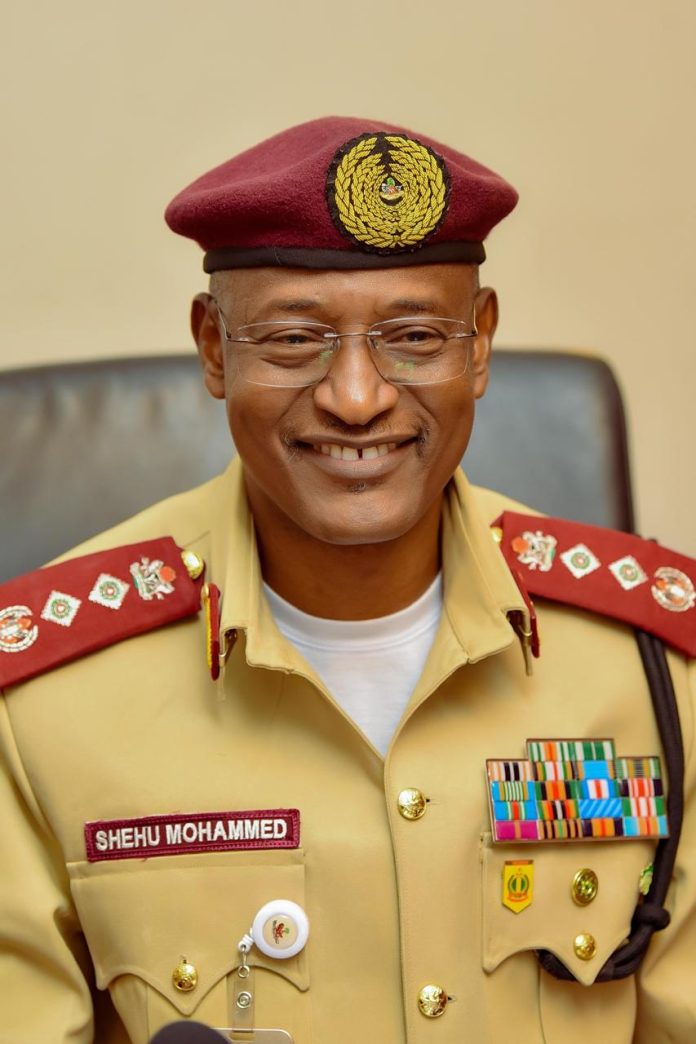
Under the leadership of Corps Marshal Shehu Mohammed, the Safe-to-Load Programme is receiving renewed strategic focus and operational strengthening. His administration is driving the integration of technology into enforcement processes, promoting real-time monitoring systems, and deepening collaboration with regulatory agencies in the petroleum sector. There is a deliberate push to institutionalize annual technical vetting of tanker trucks, enhance data-driven decision-making, and improve compliance monitoring across the value chain.

To achieve near total safety, on-going efforts are centered on deploying information management systems for real time oversight, advocating for the installation of on-board monitoring devices to track driver behaviour, and enforcing mandatory annual training and certification for drivers handling hazardous materials. Increased attention is also being given to infrastructure improvements through collaboration with relevant government agencies, as well as the development of transit truck parks to regulate driver rest and reduce fatigue related incidents.

Enforcement is being further strengthened along critical corridors to address unsafe practices that occur after depot departure.

Giving specific directives last week in Lagos while flagging off the technical training program for desk officers of the FRSC implementing the Safe-To-Load program at petroleum depots and terminals, the Corps Marshal Shehu Mohammed did not mince words when he stated that ‘Any tanker that fails to meet Safe-to-Load requirements shall not be permitted to load under any circumstance”

He also added that all tanker-related crashes will be subjected to thorough investigation, with responsibility extended across the entire chain, including inspecting officers, depot management, drivers, and vehicle owners.

According to him “tampering with speed limiting devices or any critical safety system will attract strict enforcement actions, including prosecution. Operators are required to comply fully with prescribed maintenance schedules for all safety-critical components, particularly API-standard manhole covers and valves”

He concluded by reiterating the Corps’ resolve towards intensified monitoring through both physical inspection and deployment of technology-driven compliance systems at depots and along transit corridors, adding that the era of impunity on the highways is over as compliance with safety regulations must be absolute, and accountability must be enforced at all levels.

The Safe-to-Load Programme has undoubtedly transformed the safety landscape of petroleum product transportation in Nigeria. It has also reduced crash rates, improved operational standards, and fostered a culture of accountability within the haulage industry. Yet, the journey towards eliminating tanker-related crashes entirely continues. Sustained commitment, stronger enforcement, and continuous innovation will be essential in consolidating these gains. With strategic leadership and collective responsibility, Nigeria is steadily advancing toward a future where the movement of petroleum products on its roads is not only efficient but significantly safer for all.

Osondu Ohaeri is the Corps Public Education Officer at the FRSC National Headquarters Abuja and a Fellow of the Nigerian Institute of Public Relations

‘Beyond Technology’: NITDA Boss Warns of AI Threat Shift at GITEX Africa

0

The era of treating cybersecurity as a mere IT problem is over. As AI-powered digital threats become more elusive and destructive, Nigeria is shifting its strategy toward “Total Resilience”—a multi-dimensional defense involving every level of society.

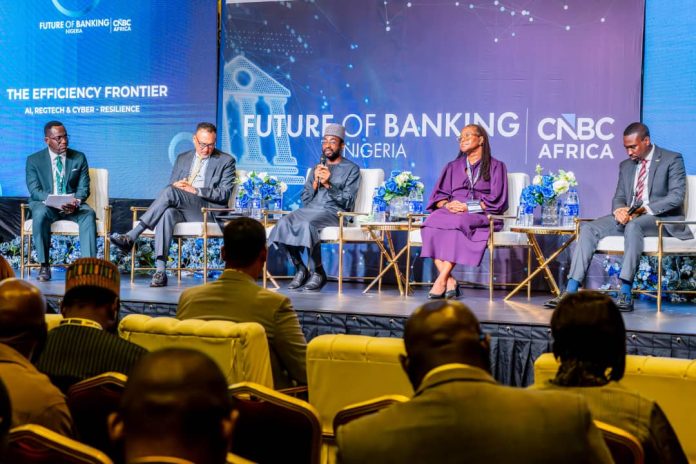
At the 2026 GITEX Africa summit, NITDA DG, Kashifu Inuwa sounded the alarm on the changing nature of digital warfare, asserting that technology alone is no longer enough. Instead, Nigeria’s survival in the digital age now hinges on a strategic blend of policy, people, and proactive defense.

Speaking during a panel session on Cyber Resilience, Inuwa described the current global digital environment as being at a “critical turning point.” He warned that emerging technologies are not only transforming industries and economies but are also reshaping the nature of cyber threats, demanding a proactive and multi-dimensional response from governments, institutions, and citizens alike.

“Cybersecurity is no longer just a technical issue. It is a strategic imperative for national development,” Inuwa stated. “We must think beyond technology alone and build resilience through people, processes, regulations, and infrastructure.”

Inuwa revealed that the focus of Nigeria’s cyber strategy is shifting from high-tech software to the people behind the screens. Pointing to data showing that 95% of all digital breaches stem from simple human mistakes, Inuwa argued that the world’s most advanced encryption is useless if the user is compromised.

“The most sophisticated technology cannot protect us if the human element is overlooked,” he noted. By prioritising human capacity and digital literacy, NITDA aims to turn every citizen into a “human firewall”, the first and most critical line of defense in a world where AI-driven attacks are the new normal.

In response, the Nigerian government has launched a comprehensive National Digital Literacy Programme aimed at achieving 95 percent digital literacy by 2030, with an interim target of 70 percent by 2027. The programme emphasizes digital safety and cybersecurity awareness, equipping citizens with the knowledge to navigate an increasingly online world responsibly.

Inuwa highlighted initiatives such as the “3 Million Tech Talent” programme, designed to develop Nigerian expertise across key technology domains, including cybersecurity, data science, and AI. The programme also leverages hackathons, innovation challenges, and mentorship schemes to channel young people’s skills into productive, lawful, and globally competitive ventures.

He argued that nurturing local talent is essential not just for national security but also for economic growth. “We want to create an environment where young Nigerians are innovators, not just consumers of technology,” he said.

Addressing concerns about Nigeria’s ranking in global cybercrime indices, Inuwa urged contextual understanding. “Countries with the most advanced digital economies also rank high in cybercrime because of the scale of their online activity,” he explained. “Our focus is on redirecting talent towards innovation and solutions that protect our citizens while contributing to global digital advancement.”

On the legal and regulatory front, Nigeria continues to review and enhance the Cybercrime Act of 2015 to keep pace with the rapidly evolving threat landscape. The law underpins a structured National Cybersecurity Architecture coordinated by the Office of the National Security Adviser.

In addition, the country operates a 24-hour cybersecurity operations centre tasked with monitoring threats, issuing advisories, and providing real-time support to government institutions, businesses, and citizens. Advanced technologies, including dark web monitoring and AI-enabled threat detection, are being deployed to enhance situational awareness and improve response times.

Inuwa emphasized that effective cyber resilience requires collaboration between public and private sectors. NITDA is working closely with ministries, departments, agencies, and private sector stakeholders to secure critical infrastructure and strengthen national resilience.

“Cyber resilience is not a solo effort; it is a collective responsibility. By integrating people, technology, and regulation, we can build a secure, globally competitive digital economy,” he added.

As Nigeria navigates a digital-first future, initiatives such as the National Digital Literacy Programme, 3 Million Tech Talent, and strengthened legal frameworks underscore a commitment to turning cybersecurity challenges into opportunities for innovation and growth. The country’s strategy reflects a broader understanding that in an era of AI-driven threats, preparedness is as much about people and processes as it is about technology.